The hidden flaw in every modern concrete plant nobody talks about
The Silent Killer Hiding In Your Mixer
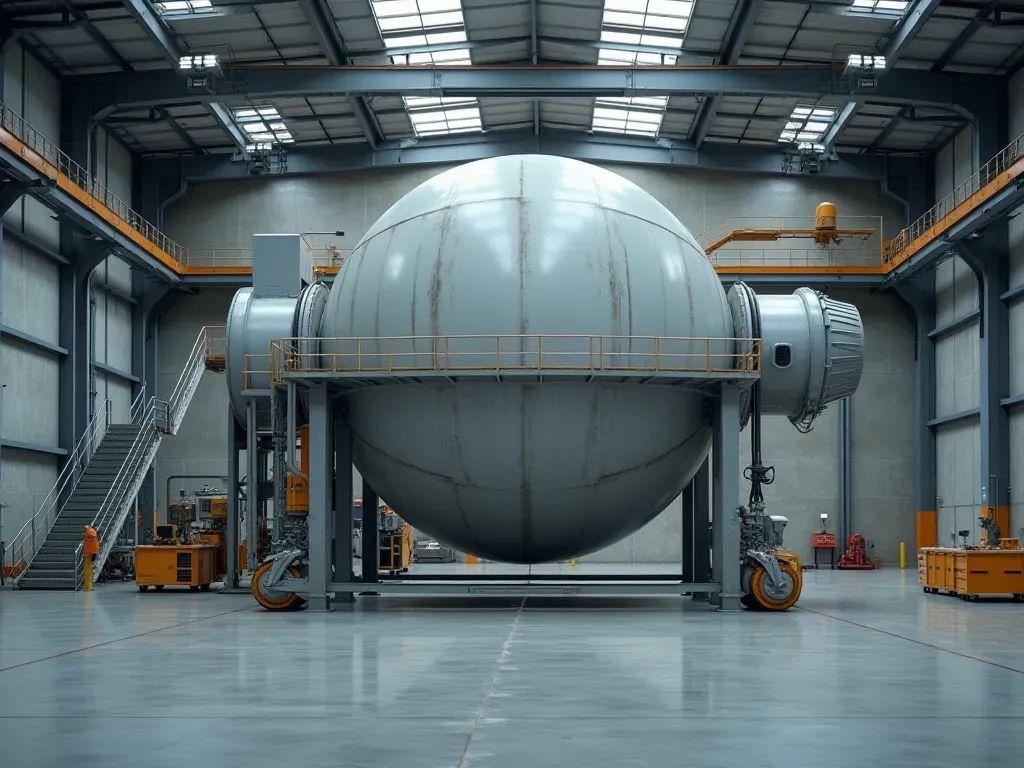
Here's the thing nobody tells you about concrete plants. The machine doesn't break down because of a mechanical failure. It slows down because of dirt. Residue builds up in the mixer, altering mix ratios and wasting fuel without anyone noticing.
I've watched operators spend hours scrubbing mixers by hand. Brutal work. They miss spots. The concrete quality dips a little. Customers start complaining about consistency. But the plant still runs, so nobody flags it as a major issue — not until production costs spike.
So when SCHWING Stetter India unveiled a high-pressure, camera-assisted cleaning system at their recent exhibition, I stopped scrolling. This isn't just another sensor. It's an admission that manual intervention is the biggest bottleneck in modern concrete production.
Why The Camera Changes Everything For Operators
Most plants rely on timers for cleaning. You set it to run for five minutes after a batch ends. But what if the drum needed eight? Or only three? A fixed timer is blind. It has no idea when the surface is actually clean.
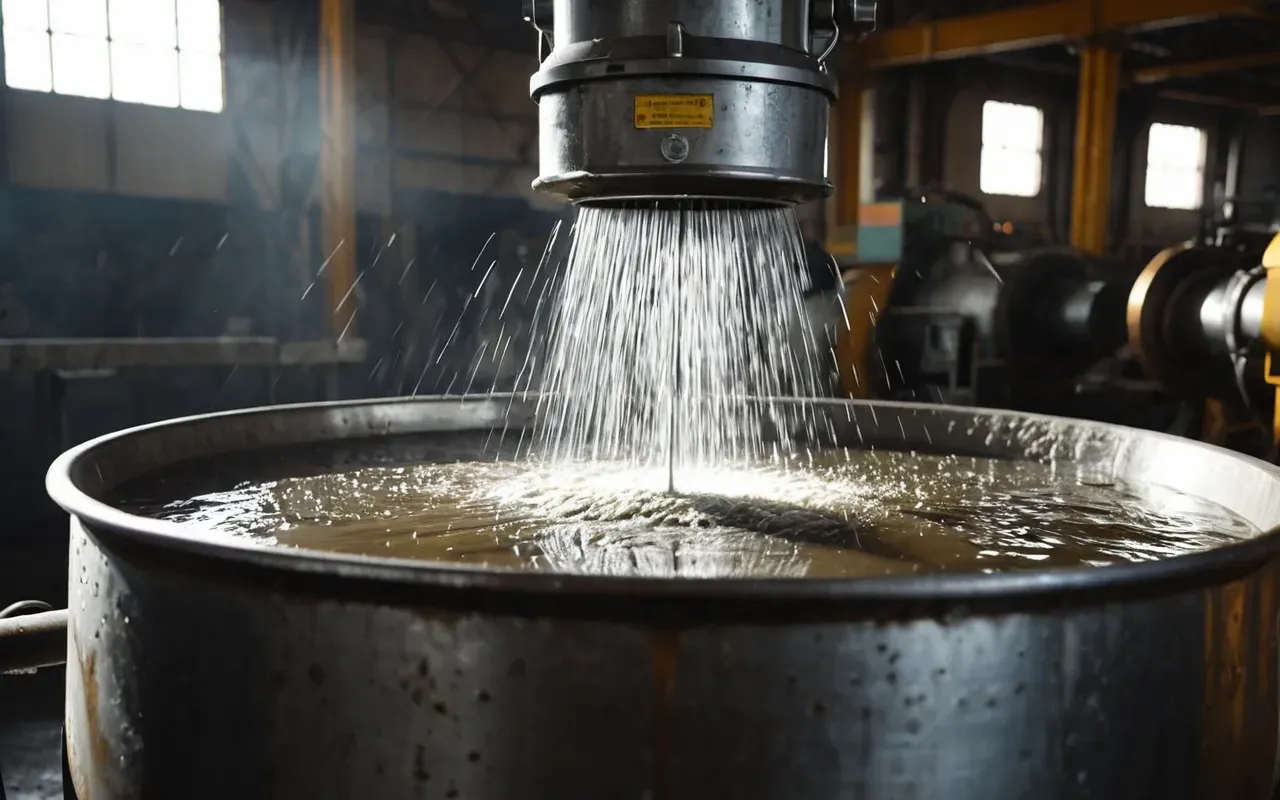
The camera system changes that dynamic completely. It looks at the drum. It sees the residue. It tells the high-pressure nozzles exactly where to focus until every surface is spotless. No guessing. No over-watering.
Think about the water savings alone. In regions where water is scarce or expensive, wasting gallons on a drum that's already clean is pure profit leakage. This technology turns a blind maintenance task into a precise engineering process.
The Hidden Cost Of Inconsistent Cleaning
There's a deeper issue here. When mixers aren't cleaned perfectly, cement clings to the walls. The next batch of concrete ends up with slightly different aggregate ratios. You might think that's negligible. Over thousands of batches, it destroys quality control.
I recall a project where a client rejected an entire load of precast elements. The reason? Slight variations in density traced back to inconsistent mixer cleaning over three months. That single rejection cost more than the annual maintenance bill for the plant.
How AI Decides When To Stop Spraying
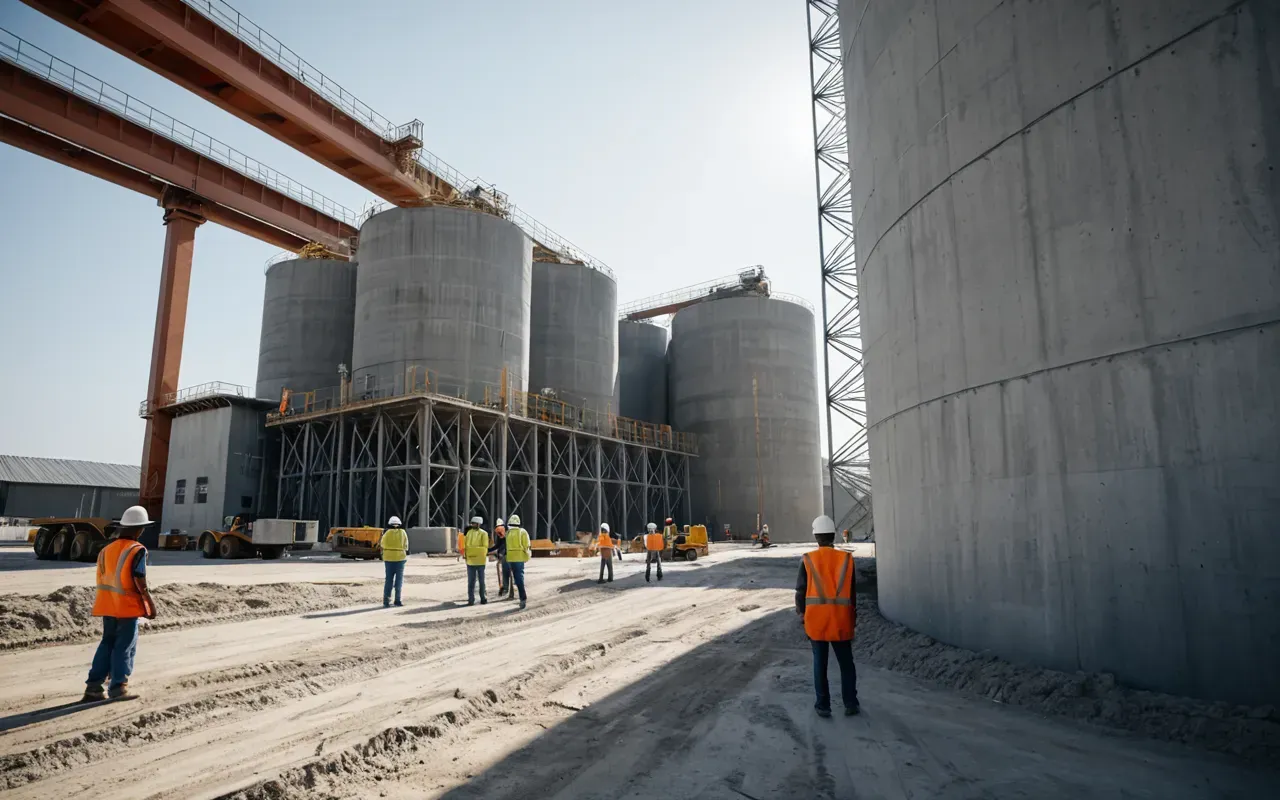
This is where the artificial intelligence component becomes critical. The system isn't just taking photos for a human to review later. It processes the visual data in real-time. If it detects white cement powder, it adjusts nozzle pressure and angle immediately.
It learns over time. If a specific mix design tends to leave more residue on the left side of the drum, the algorithm adjusts its cleaning pattern for that batch type automatically. This is adaptive maintenance in action, not just automation.
The Broader Shift In Construction Equipment Logic
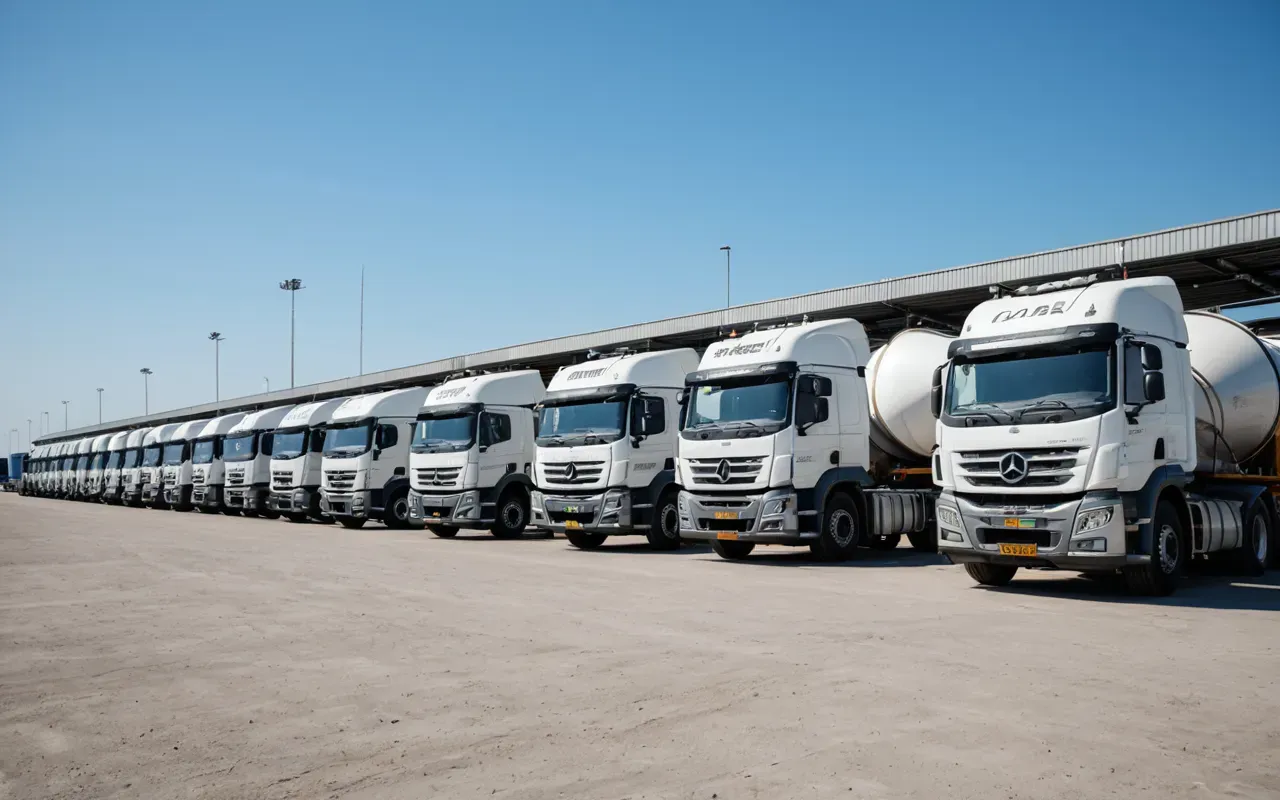
Look at the rest of what SCHWING Stetter India displayed. They showed electric truck mixers and CNG powered units. This signals a massive shift away from diesel dependency. But the cleaning technology is perhaps more radical because it attacks operational inefficiency directly.
We keep hearing about sustainability in construction. But true sustainability isn't just using green materials. It's not wasting water, electricity, or labor on redundant tasks. This camera system aligns perfectly with that broader ethos of resource efficiency.
If you've been curious about how other manufacturers are approaching similar problems, it's worth looking at Why Most Concrete Batching Plant Manufacturers Are Hiding A Critical Flaw. The industry has been slow to adopt these kinds of precise control systems, and this exhibition might change that trajectory.
What This Means For Global Export Markets
SCHWING Stetter India isn't just selling to local markets. They export to over thirty countries. When a technology like this gets embedded in their product line, it sets a new baseline for what buyers expect from batching plants worldwide.
Competitors who still rely on manual cleaning or basic timers will find themselves at a disadvantage. Buyers in developing markets are increasingly tech-savvy. They want data, visibility, and precision. The era of black-box machinery is ending.
Who Really Wins From This Technology
On the surface, it looks like a win for equipment manufacturers. They can charge more for a plant with intelligent cleaning features. But the real winner is the ready-mix concrete producer who uses these machines daily.
Lower maintenance costs. Better quality control. Less water waste. These are tangible financial benefits that show up in the quarterly earnings report. The technology pays for itself through efficiency gains rather than just marketing hype.
Who loses? Probably the small service companies that specialize in manual mixer cleaning. If machines clean themselves with precision, the demand for human labor in this specific task will drop significantly over time.
The Risk Of Over Automation In Critical Tasks
There's a subtle danger here. If operators become too reliant on the camera system to verify cleanliness, they might stop performing physical inspections themselves. The technology should augment human judgment, not replace it entirely.
I've seen systems where the sensor works perfectly for six months and then drifts out of calibration. If no one checks it physically, that error compounds silently. The best approach is a hybrid model where AI handles routine tasks but humans verify critical milestones.
What This Reveals About The Future Of Concrete
The construction industry has been slow to adopt digital tools compared to other sectors. This exhibition suggests that gap is closing fast. We're moving from heavy steel machines to intelligent systems that think, see, and adapt in real-time.
The implications go beyond just cleaning mixers. If we can automate one critical maintenance task with high precision, what else is possible? Imagine pumps that predict their own wear based on vibration patterns and visual cues from cameras.
This is the direction we're heading. Concrete production will become more like semiconductor manufacturing in terms of precision and control. The machines that can deliver that consistency will dominate the market for decades to come.

Why You Should Pay Attention To This Shift Now
If you're in the concrete supply chain, this technology is not a distant future concept. It's being demonstrated right now at major trade shows. The companies that ignore it will find themselves competing on price alone against competitors who sell efficiency.
The cost of adopting these systems is dropping as the technology matures. Waiting for another year might mean missing out on early adoption benefits that translate into significant operational savings over a five-year period.
I'd encourage you to look closely at how these systems integrate with your existing plant infrastructure. The easier the integration, the faster the return on investment. This isn't just a gadget; it's a business strategy.
The Bigger Picture Of Smart Infrastructure
Concrete is the backbone of modern civilization. Every bridge, building, and road depends on it. Making its production smarter, cleaner, and more efficient isn't just a technical upgrade; it's a necessity for sustainable development.
When we talk about green buildings and carbon footprints, we usually focus on the cement mix. But production efficiency matters just as much. Reducing waste in the batching process has a direct impact on the overall environmental footprint of construction projects.
This is where the camera-assisted cleaning system fits into a larger narrative. It represents a shift toward conscious manufacturing in an industry that has historically prioritized speed and volume over precision and resource stewardship.
Final Thoughts On The Evolution Of Batching Plants
The concrete equipment landscape is changing faster than most people realize. What looked like a minor feature in an exhibition stall might actually be the beginning of a fundamental shift in how we think about industrial maintenance.
Machines that demand constant human babysitting are on the way out. What's replacing them: systems that run themselves, and run themselves precisely. Tomorrow's operators won't look much like mechanics. They'll look more like data analysts keeping an eye on intelligent equipment.
My honest take? This becomes standard in five to seven years. Not "maybe." Not "someday." The real question isn't whether it happens — it's who leads the transition, and who gets to set the new benchmarks for quality and efficiency.
So if you want to stay ahead of that curve, start poking at how these systems actually work today. Learn the technology now, while it's still optional, and your business will be ready for the moment it flips from competitive advantage to industry standard.
Comments ()