The concrete move that is quietly making ready-mix delivery obsolete
The silent killer of the ready-mix business model
Empty mixer trucks are piling up at depots across the UK. Nobody's calling them in. Why? Because contractors like McCoy have stopped waiting and started building their own.
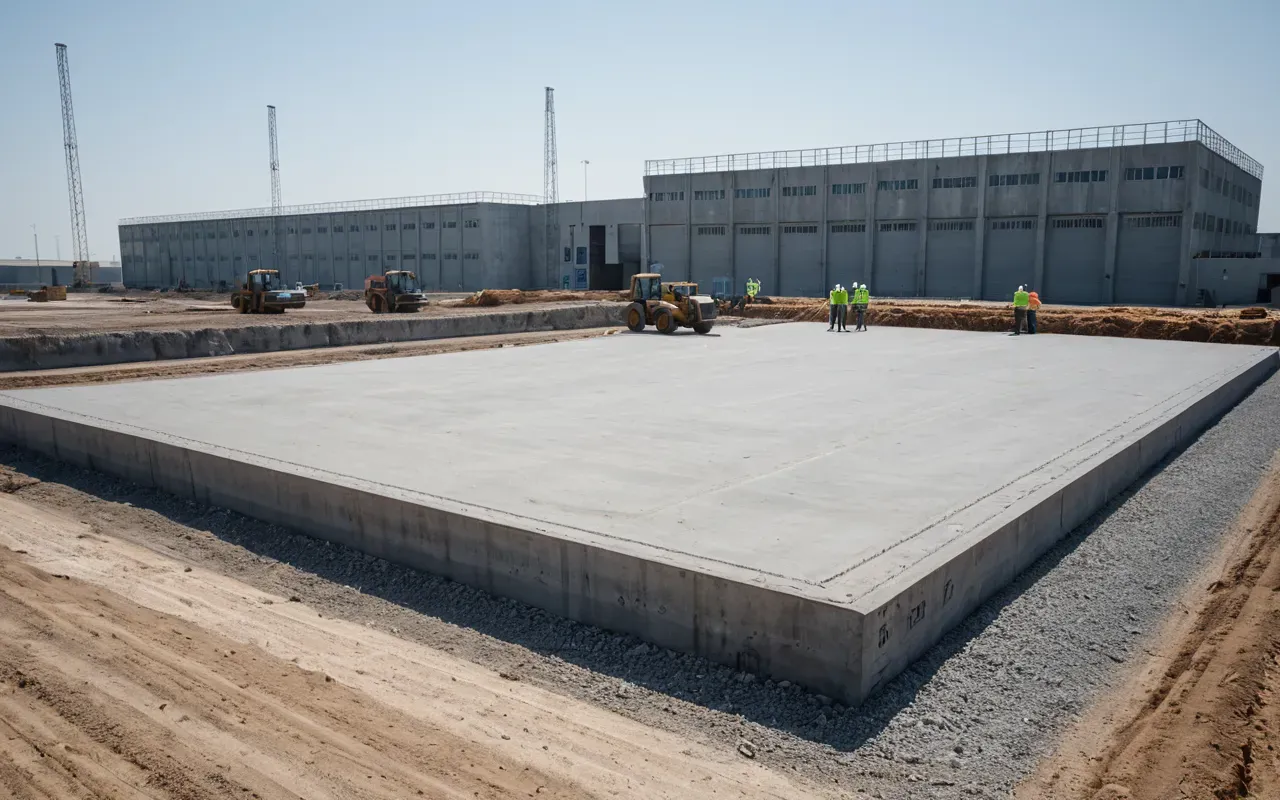
Take Hinckley Park. Forty weeks of earthworks and groundworks for a massive industrial distribution centre. That kind of scale would break most suppliers.
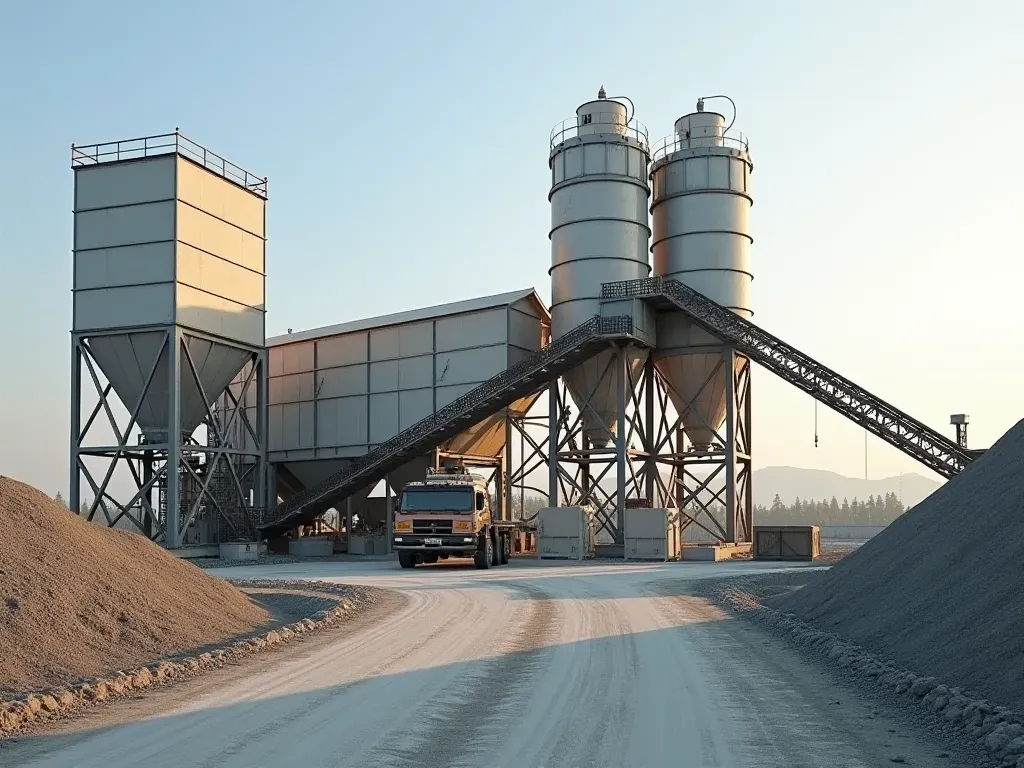
But the volume isn't the interesting part. It's who's making the concrete. McCoy went with an on-site batching plant instead of ringing up a third party. That one call changes the whole game.
I've watched plenty of jobs fall apart because they leaned too hard on external deliveries. One truck breaks down and the site sits dead for days. Control is the piece most people miss.
Why Hinckley is different from Doncaster
McCoy pulled the same trick at the TJ Morris Distribution Centre in Doncaster. Worked beautifully. The plant cut vehicle movements and carbon emissions significantly.
Hinckley throws new problems at them, though. Overhead power lines. A railway bridge sitting right in the way. And a high-pressure gas main for good measure.
With a plant on-site, McCoy pours exactly when they need to. No waiting on trucks in the rain or fog. The weather stops dictating the schedule.
The hidden economics of self-batching concrete
People assume ready-mix is cheaper. On big jobs, they're wrong. Transport costs stack up fast once you're talking hundreds of truckloads.
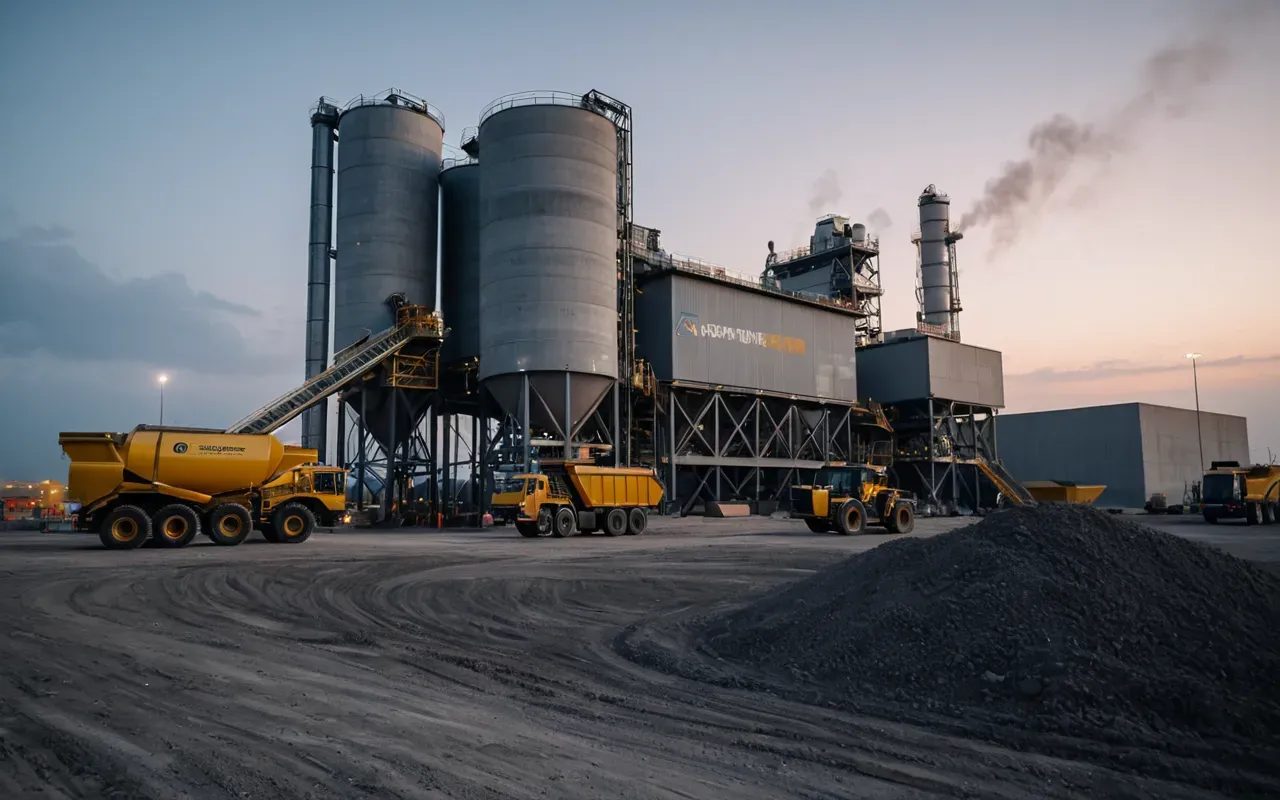
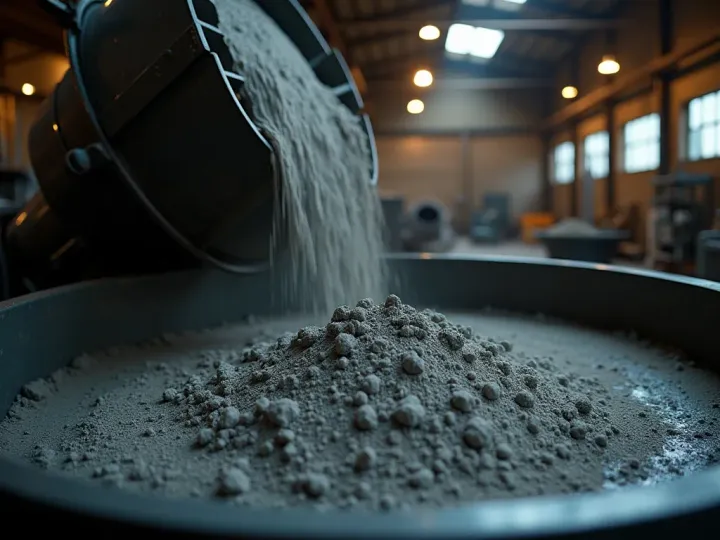
A dry batching plant setup skips the wet mix logistics entirely. You move raw materials once and process them locally.
McCoy's team knows this cold. They've delivered similar projects across the UK with McLaren Construction before.
What this means for suppliers across the region
Ready-mix companies are watching their biggest clients walk. Large contractors now treat batching as a core competency, not a workaround.
Hinckley is one example. But it points to something bigger in how industrial sites get built.
The technical hurdles nobody talks about
Working next to a railway bridge demands precise timing. You can't afford delays when trains run on schedule.
Vegetation management and soil modification add another layer of complexity. McCoy's earthworks package includes extensive cut-and-fill operations.
None of that works without deep local knowledge. Generic solutions fall flat when the ground conditions are this specific.
How batching plants solve these problems
An on-site plant means fresh concrete on demand. That allows rapid response when site conditions shift unexpectedly.
It also keeps heavy transport vehicles away from sensitive infrastructure like gas mains.
Try getting that level of control from an external supplier juggling multiple sites at once.
The future of construction supply chains is local
Major projects are moving toward self-sufficiency. Contractors want to own their inputs.
Hinckley proves the approach works at scale. It's not a nice-to-have anymore.
For suppliers, the message is blunt. Offer more than concrete delivery or get left behind.
Stick with the traditional model and you might be missing the point entirely.
What this means for your next project
Planning a large industrial scheme? Consider on-site batching. The cost and schedule benefits are real.
Check whether your site can support a plant. Space and power are the main requirements.
Talk to contractors who've done it before. Their experience will save you headaches later.
The industry is changing fast. Those who adapt will thrive in the coming years.
McCoy's move at Hinckley is a clear signal of where the market is heading.
Are you ready to join them? The tools are available right now.

Comments ()