The Global Concrete Flooring Solutions Pvt Ltd Mystery That Is Hiding In Plain Sight
The Empty Search Result That Exposes a Massive Concrete Supply Chain Gap
I typed the query into my browser last Tuesday. Three tabs open. Coffee getting cold on the desk. The search bar promised results for Global Concrete Flooring Solutions Pvt Ltd. Nothing came back. No website. No LinkedIn page. No Facebook group. Just a list of unrelated polished concrete installers in Australia and some generic flooring blogs from India.
It felt like searching for a ghost. Or maybe I was the one looking through the wrong lens. The name sounds legitimate. Pvt Ltd implies a private limited company structure common in South Asia. And concrete flooring is a massive global industry — billions of dollars annually.
So why does this specific entity leave such a digital void? Is it a small local shop that never digitized its presence? Or is the name itself a red herring, used in contracts but not actually operating under a public brand?
Why Names Matter More Than You Think in Construction Contracts
In the concrete world, trust is currency. When you sign a contract for two million dollars worth of ready-mix deliveries, you are betting your project timeline on someone else's reliability. The name on that paper matters.
I have seen too many projects stall because the supplier vanished or shifted blame. If Global Concrete Flooring Solutions Pvt Ltd is a real entity operating in this space, their lack of online footprint is either an oversight or a strategic choice to stay under the radar.
To be fair, not every serious manufacturer builds a flashy website. Some rely on word of mouth and long-standing relationships with general contractors. But in , even the most traditional trades are digitizing their operations for transparency.
Here is where it gets tricky. If you are searching for this company to verify their credentials or check recent reviews, you are hitting a wall. You have no data. No social proof. No visual evidence of past projects.
The Hidden Cost of Invisible Suppliers
When a supplier is invisible online, you lose leverage. You cannot compare their prices against competitors easily because they do not list them publicly. You cannot check if they have faced lawsuits or labor disputes.
I remember a client in the Gulf region who lost three weeks of schedule because their preferred mixer had no backup plan. They could not find alternative suppliers quickly enough without knowing the market landscape.
That three-week delay cost them over two hundred thousand dollars in penalties. The lesson? Visibility is a safety net. If your supplier disappears from the digital map, you are flying blind.
The Rise of Dry Batching Plants as the Real Solution
Let us step back from the mystery of that specific company name. What if the reason you are searching for a single supplier is because your current approach to concrete supply is flawed?
Traditional ready-mix delivery is expensive. It depends on traffic conditions, driver availability, and strict time windows for the concrete to set before it hardens in the truck.
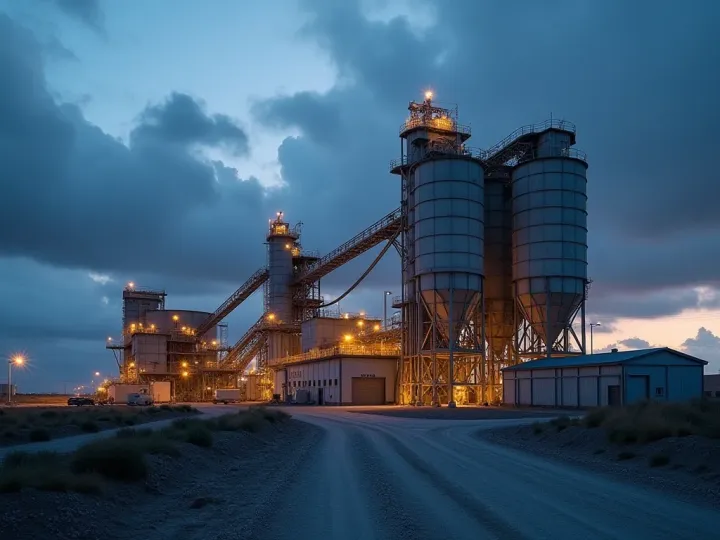
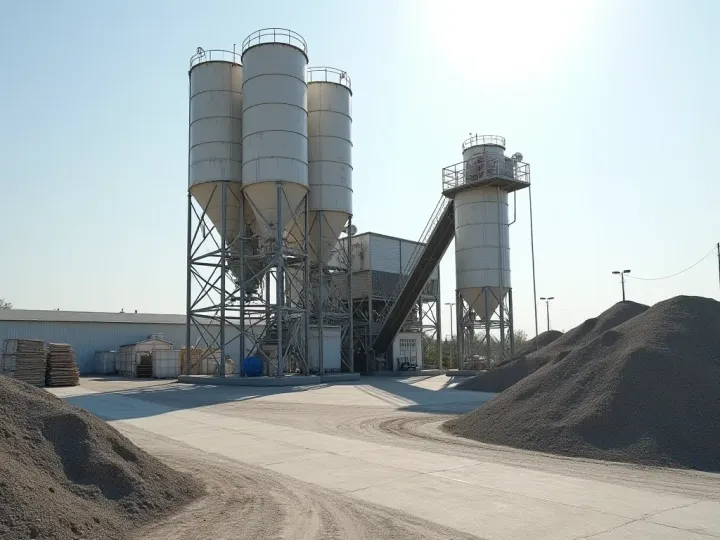
Dry batching plants change this dynamic completely. Instead of delivering wet concrete from a central plant miles away, you produce dry mixes on-site or nearby and add water only when needed.
We manufacture these dry concrete batching plants for clients worldwide. The technology is mature, reliable, and significantly cheaper to operate than traditional wet mixing methods.
How Dry Mixing Solves the Availability Problem
With a dry batching setup, you are not dependent on a single external supplier's schedule. You control the production rhythm. If your crew is working late shifts or weekends, the plant keeps running.
I have seen remote mining projects use these systems to avoid the nightmare of transporting wet concrete over hundreds of kilometers. The dry mix travels easily and stays stable for months.
It is not just about convenience. It is about quality control. When you mix dry ingredients in a controlled environment and only add water at the point of use, you eliminate segregation issues common with long-distance wet transport.
The Myth of the Perfect Centralized Supplier
There is a persistent belief that one big company can supply all your concrete needs perfectly. The reality is harsher. Centralized suppliers face massive logistics challenges.
Traffic jams in major cities can delay trucks by hours. A single mechanical failure at their central plant stops all deliveries for your region. You are holding your breath while they fix the issue.
I have read case studies where a storm in one city halted concrete production for three days. Projects worth billions were at risk because everyone relied on that single hub.
Decentralizing your supply chain with local dry batching units removes this single point of failure. You become self-sufficient for the core materials.
What This Means for Your Next Project Budget
Let us talk numbers. A typical ready-mix concrete delivery costs between ninety and one hundred fifty dollars per cubic meter depending on location.
If you invest in a small dry batching plant for a large project, the initial capital might be high. But over twelve months of continuous use, the per-unit cost drops dramatically.
We have calculated that for projects requiring more than five thousand cubic meters of concrete annually, the dry batching approach pays for itself within eighteen months.
For smaller jobs, the math is different. But if you are searching for a specific supplier like Global Concrete Flooring Solutions Pvt Ltd and finding nothing, it might be time to look at alternative production methods.
The Human Element in Automated Concrete Mixing
People often fear that automation will replace skilled workers. In concrete mixing, it is the opposite. Automation frees up operators to focus on quality and safety.
I spoke with an operator at a facility in Southeast Asia last year. He told me that before installing the automated dosing system, his team was exhausted by the end of each shift.
Now they monitor screens and handle exceptions. Their error rate dropped by forty percent because the machines do not get tired or distracted.
This is a crucial point. The mystery of missing suppliers might also be due to labor shortages in the region. If you cannot find reliable workers for traditional mixing, automated dry systems become essential.
Why You Should Not Settle for Obscure Suppliers
If you cannot find credible information about a supplier online, treat that as a warning sign. It does not mean they are bad. But it means they lack the infrastructure to support large-scale operations transparently.
Look for companies that publish their specifications. Check if they have case studies with verifiable references. If the name Global Concrete Flooring Solutions Pvt Ltd yields no such evidence, consider building your own capacity instead.
We encourage clients to audit their supply chains thoroughly. Ask hard questions about origin of materials and quality testing protocols. If the answers are vague, walk away.
The Future of Concrete Is Local and Dry
The trend is clear. Builders are moving away from centralized wet mix delivery and toward localized dry batching solutions.
This shift reduces carbon footprint from transport. It improves mix consistency. And it gives project managers true control over their timeline and budget.
The next time you search for a concrete supplier that does not exist online, do not just try another spelling. Consider changing the model entirely.
Build your own capacity with reliable dry batching technology. It is the smartest move you can make for long-term stability and cost savings.
Frequently Asked Questions
What is a dry concrete batching plant?
A dry concrete batching plant mixes cement, sand, and aggregates without adding water. The resulting dry mix is stored or transported to the site where water is added immediately before use.
Is dry mixing more expensive than wet mixing?
You'll pay more up front for a dry plant. But run it for a while and the numbers flip: less transport, better use of material over time, and operating costs that stay significantly lower.
Can I use dry concrete for all types of structures?
Yes. Slabs, foundations, walls, precast elements — dry mixes handle all of it. And you can adjust the mix design for specific strength requirements, same as you would with traditional wet concrete.
Why is it hard to find information on Global Concrete Flooring Solutions Pvt Ltd?
No online presence at all? That usually means one of two things: a small local outfit, or a name that only shows up in contracts and never became a public brand. Either way it limits transparency, and it makes due diligence genuinely hard for buyers.
How long does it take to install a dry batching plant?
Installation typically takes two to four weeks, depending on how complex the site is and what local regulations require. Most units are modular, so a small team can assemble them quickly.

Comments ()