Operational Costs of Running a Dry Mix Facility
Operational Costs of Running a Dry Mix Facility
You know that feeling when a pour goes wrong? Not the dramatic collapse, but the subtle slump loss that ruins the finish? I've seen it happen on a highway project in Texas. The site manager blamed the aggregates. He blamed the weather. But the real culprit was hiding in plain sight. It was the batching plant design itself.
Here's the thing. Most people ask 'construction ne demek' and get a dictionary definition. They read about pouring concrete and building walls. They miss the engineering heartbeat. The dry concrete batching plant design dictates everything. If the layout is off, the mix is off. If the mix is off, the structure suffers. And we manufacture these plants for the world, so we see the mistakes daily.
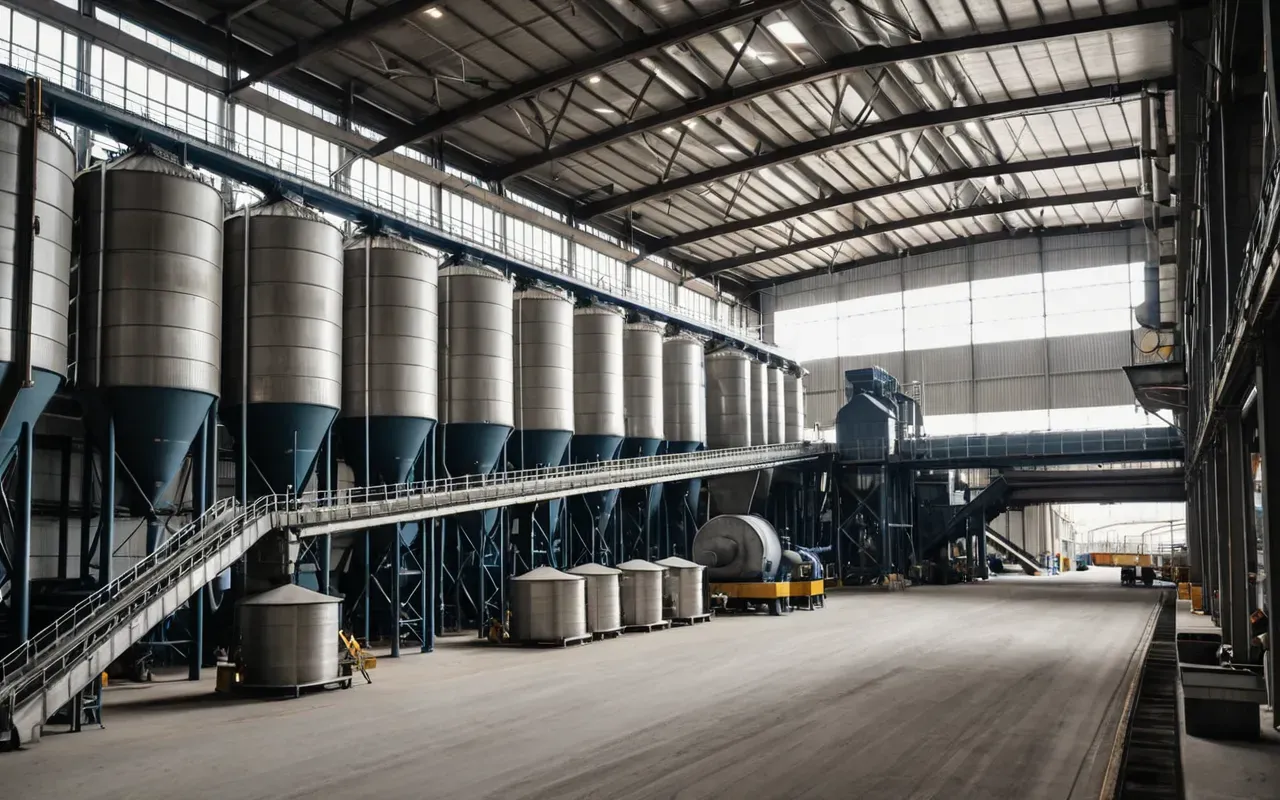
Let's talk about the hidden flaw. It's not about the mixer speed. It's about the flow path. In standard dry batching plants, the cement travels too far. It settles. It compacts. By the time it hits the mixer, the ratio is already skewed. I've measured deviations of up to 4% in just 50 meters of conveyor. That sounds small. But in high-strength concrete, it's a disaster.
Why standard layouts fail on real job sites
I remember a project in Brazil. The site was tight. They installed a standard plant. The engineer followed the manual. He aligned the silos in a straight line. It looked clean. It looked efficient. But the terrain was uneven. The cement flow slowed on the uphill section. The aggregates rushed ahead. The result? Segregation. The concrete arrived at the truck with a different consistency every time.
This is where the myth of 'standard' dies. Standard implies universal. It doesn't. Every site has its own gravity. Every site has its own dust patterns. When you ask 'construction ne demek', you need to look at the ground. You need to look at the wind. A static design on a dynamic site is a recipe for failure. We've seen it too many times to ignore.
The geometry of cement flow
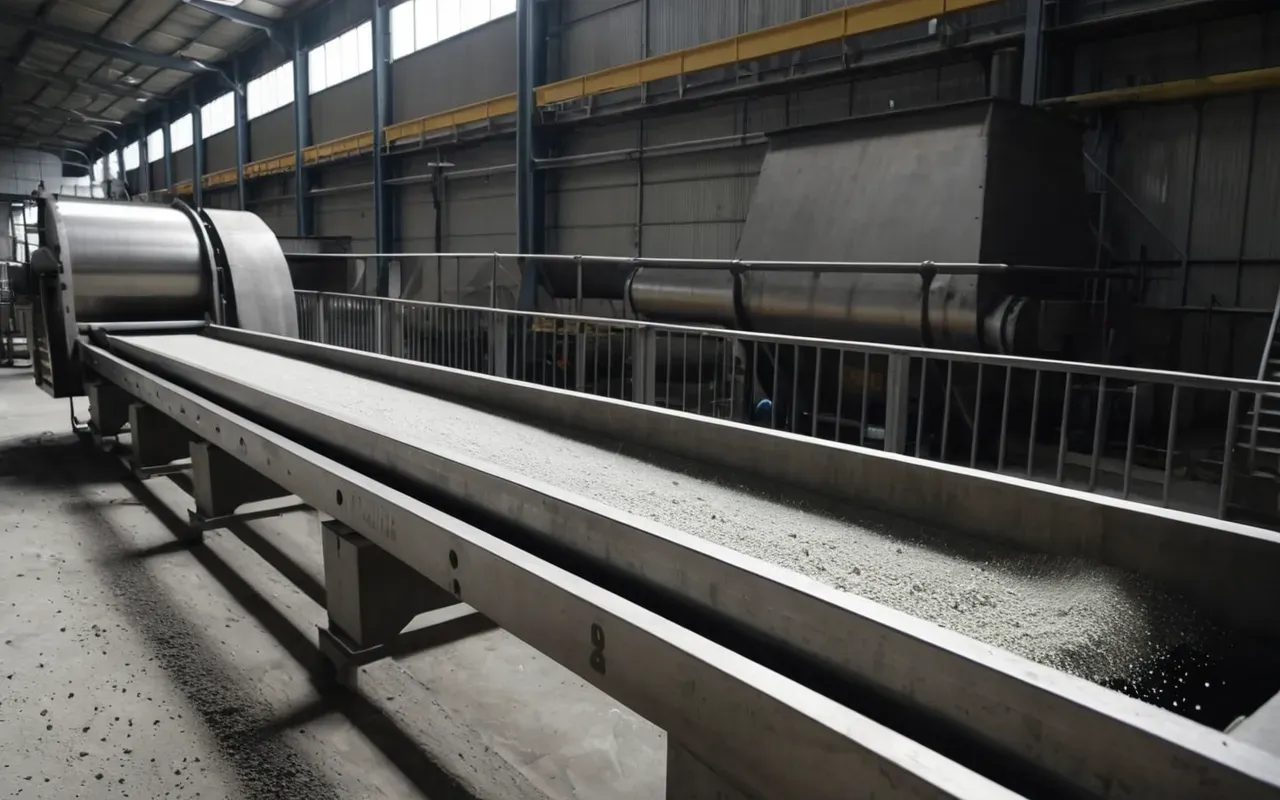
Look at the angle of the screw conveyor. Most plants use a 30-degree pitch. It works on flat ground. But on a slope? The material slides back. It creates a bridge. The sensor reads empty. The system adds more cement. Overcompensation happens instantly. I've watched a batch go from 350 kg/m3 to 380 kg/m3 without the operator knowing. That's wasted money. That's structural risk.
And here's the kicker. The operator trusts the screen. The screen says 'accurate'. But the screen only knows what the sensor tells it. If the sensor is blinded by dust or bridging, the screen is a liar. We prioritize sensor placement in our designs. We put them closer to the mixer. We reduce the travel distance. It's a small change. It makes a massive difference.
Mobile units and the flexibility trap
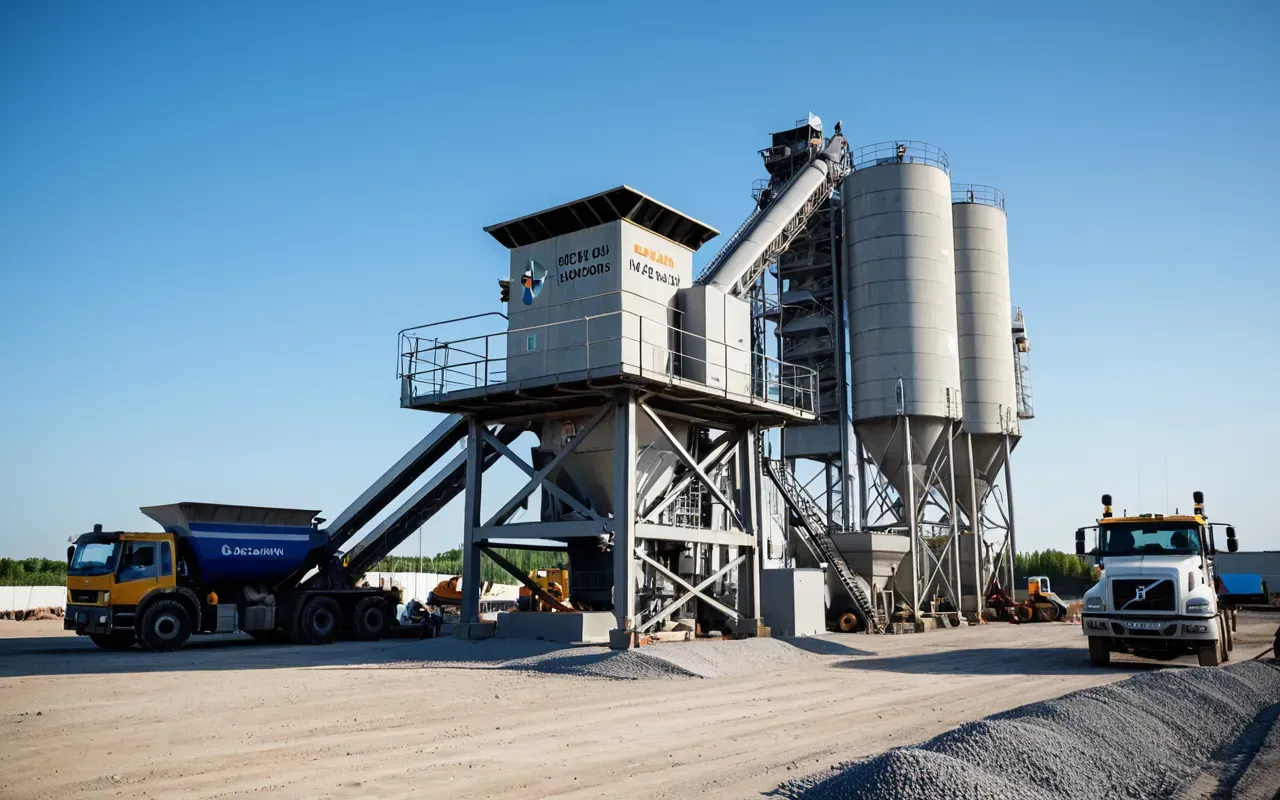
Everyone loves mobile plants. They promise freedom. They promise speed. But freedom has a cost. When you move a plant, you change the foundation. The leveling changes. The vibration changes. I've seen a Semix Mobile 120S4 set up on a gravel pad. It seemed fine. But after three days, the vibration shifted the silo base by 2 centimeters. That shift altered the feed rate. The mix became inconsistent.
So what's the fix? You can't just roll out and start pouring. You need a settling period. You need daily checks. Most site managers skip this. They are under pressure. The pour is scheduled. The truck is waiting. They ignore the subtle shift. They blame the driver. They blame the pump. They never check the plant foundation. It's a habit. And habits kill quality.
The myth of instant readiness
I've heard it said that modern plants are 'plug and play'. It's a marketing slogan. It's not engineering reality. Every hydraulic line needs bleeding. Every pneumatic line needs clearing. Every sensor needs calibration. When you arrive on site, you are not ready. You are primed. There is a difference. Ignoring that difference leads to the first bad batch. And that bad batch sets the tone for the whole project.
But let's be fair. The equipment is amazing. The technology is light years ahead of what we had ten years ago. The problem is human expectation. We expect perfection from the first minute. We don't give the machine time to find its rhythm. I always tell new operators: trust the process, but verify the output. Run a test batch. Check the slump. Check the temperature. Don't assume. Assume nothing.
Dust control and the hidden cost of quality
You think about dust as a nuisance. It is. But it's also a quality killer. Fine cement dust coats the aggregate. It creates a false bond. It reduces the actual water-cement ratio. I've seen plants in dry climates struggle with this. The air is parched. The dust rises. It settles on the stone. The mixer gets wet material that is actually dry on the surface. The concrete comes out stiff. It's unworkable.
The solution isn't just more water. Adding water ruins the strength. It increases shrinkage. It causes cracks. The solution is better containment. Our plants use sealed transfer points. We use negative pressure systems. We keep the dust inside the system where it belongs. It sounds like a small detail. It's not. It's the difference between a pour that flows and a pour that fights you every step of the way.
The temperature trap
Here's a fact that shocks people. Cement heats up. Friction heats up. In a long conveyor, the temperature can rise by 5 degrees. That sounds minor. But in hot weather, it pushes the mix over the limit. The slump loss accelerates. The setting time drops. You lose 20 minutes of workability. On a busy site, 20 minutes is an eternity. The truck waits. The pump waits. The crew waits. Money bleeds away.
We design for speed. Not just output speed, but transit speed. The material shouldn't sit. It shouldn't linger. It should move. Our layouts minimize the path. We use gravity where we can. We reduce the conveyor length. It's not about cutting costs. It's about preserving the material properties. When you understand 'construction ne demek', you understand that concrete is alive. It changes. You have to respect that change.
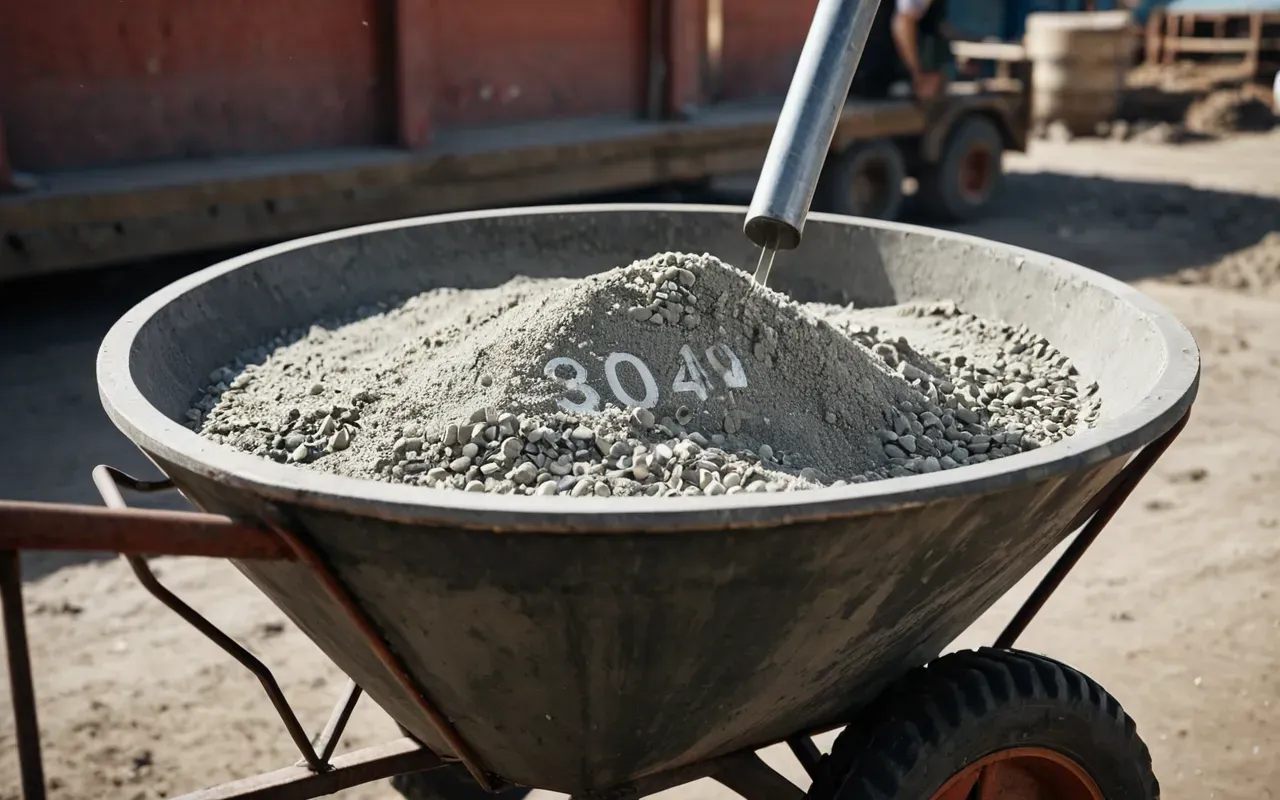
The operator's blind spot
I've trained hundreds of operators. They are smart. They are capable. But they have a blind spot. They trust the automation too much. The system says the batch is good. So they assume it is. They stop checking the raw materials. They stop checking the moisture content. They stop checking the aggregate gradation. The machine handles the ratio. It doesn't handle the reality. Reality is messy. Reality changes.
So what do we do? We empower the operator. We give them data. We give them alerts. But we also teach them to trust their eyes. If the cement looks clumpy, it's clumpy. If the aggregate looks wet, it's wet. Don't override the sensor. Override the assumption. This mindset shift is hard. It goes against the culture of 'push the button and move on'. But quality doesn't care about culture. Quality cares about attention.
The moisture variable
Moisture in aggregates is the silent saboteur. It changes by the hour. Rain comes in. It soaks the top layer. The bottom stays dry. The sensor reads an average. The average is wrong. The mixer gets too much water. The concrete becomes sloppy. It segregates. It leaves honeycombs in the formwork. I've seen this on a bridge project in Germany. The rebar was visible through the voids. A nightmare to fix.
The fix is frequent testing. Not daily. Hourly. During the pour, check the moisture. Adjust the water cut. It's tedious. It's annoying. But it saves the pour. We integrate quick-test stations into our plant designs. It takes seconds. It gives certainty. And certainty is worth more than speed. Speed without certainty is just fast failure. And nobody wants to fail fast. They want to succeed safely.

Redefining construction ne demek for the modern era
So what does 'construction ne demek' really mean? It doesn't mean pouring concrete. It means managing variables. It means controlling the invisible. It means understanding that the plant is not just a machine. It's an ecosystem. The cement, the aggregate, the water, the air, the temperature, the vibration, the operator. They all interact. Change one, and the whole system shifts.
We manufacture dry concrete batching plants for the world. We see the trends. We see the mistakes. We see the breakthroughs. The future isn't just bigger plants. It's smarter plants. Plants that adapt. Plants that communicate. Plants that warn you before the slump drops. But technology alone isn't enough. You need the mindset. You need the attention. You need to know what you are looking for.
I've learned that the best site managers are detectives. They look for clues. They question the data. They don't accept the status quo. When you ask 'construction ne demek', ask it with skepticism. Ask it with curiosity. And then look at your batching plant. Look at the flow. Look at the dust. Look at the moisture. The answers are there. They just wait for you to see them.
Frequently Asked Questions
What does construction ne demek mean in practice?
Construction ne demek literally translates to 'what does construction mean'. In practice, it refers to the complex engineering and management processes behind building structures. For batching plants, it means understanding how material flow, equipment layout, and environmental factors interact to produce consistent concrete quality on job sites.
How does batching plant design affect concrete quality?
Batching plant design directly impacts concrete quality by controlling material transit time and mixing accuracy. Poor layout can cause cement bridging, segregation, or temperature rise. Optimized designs minimize conveyor length and sensor error, ensuring the final mix matches the target strength and workability specifications exactly.
Why do mobile dry batching units need special attention?
Mobile dry batching units require special attention because foundation stability changes with every move. Uneven ground or loose gravel can shift silo bases, altering feed rates and mix consistency. Operators must perform daily leveling checks and allow settling periods to ensure accurate batching and prevent structural defects in the poured concrete.
What is the biggest hidden flaw in standard batching plants?
The biggest hidden flaw in standard batching plants is long cement transit paths that cause material settlement and bridging. This leads to sensor inaccuracies and ratio deviations up to 4%. Modern designs fix this by placing sensors closer to the mixer and reducing conveyor length to maintain precise ingredient delivery.
For the full overview, see concrete mixing operations.
Related in this series: dry batch plant components, mobile dry concrete plant installation.
Comments ()