Texas Lawmakers Just Forced A Change That Could Make Every Concrete Plant Rethink Its Dust Control Forever
The Two Eighth Graders Who Changed The Narrative
Most people assume environmental policy gets hammered out by lawyers in air-conditioned offices, surrounded by binders and coffee. They're wrong. In Austin, two eighth graders from Houston walked into a TCEQ hearing and shifted the entire room.
Gavin Linley-Elwell and Esteban De La Rosa spoke about inequality. Their neighbors had concrete plants nearby; they didn't. That simple observation sliced through the technical jargon like a knife.
It was raw. No slides, no data charts, no polished talking points. Just two kids pointing at an unfair reality. Suddenly, the murky issue of particulate matter emissions felt personal. Urgent. Real.

What The New Texas Laws Actually Change
Senate Bill 763 is the heavy hitter here. It forces TCEQ to review air quality permits for concrete batch plants every eight years.
Previously, those reviews were optional. They happened maybe once a decade, if anyone cared enough to push. Now they're mandatory. And frequent.
Then there's SB 2351. This one lets regulators demand stricter standards if a plant hasn't started construction yet and asks for an extension.
It's a subtle tool, but a powerful one. It closes the loophole where old permits got grandfathered in forever. If you haven't built it yet, we can demand better. That's the message.
The Dust Problem You Can See But Not Smell
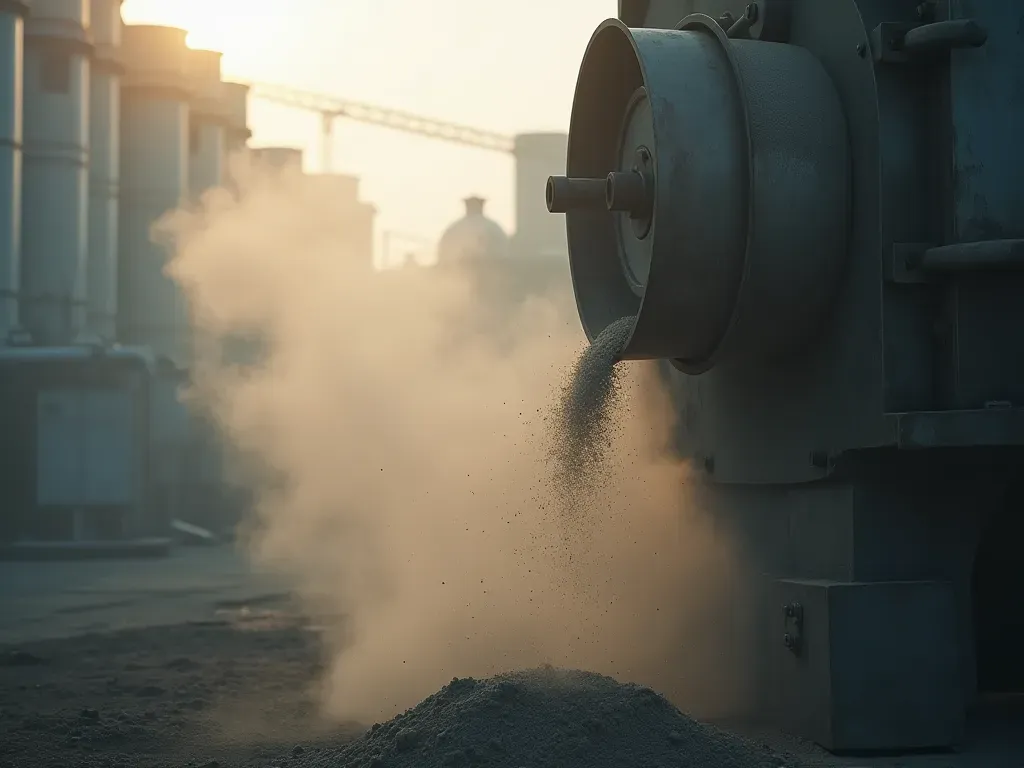
Concrete batch plants emit particulate matter. That's the fine dust hanging in the air, the stuff that settles deep in your lungs.
The EPA says this is harmful. It contributes to asthma, heart issues, long-term damage. But it doesn't smell like a chemical spill. It doesn't burn your eyes.
That's what makes it sneaky. People live next to these plants for years, unaware of the slow damage happening inside their bodies.
This is why community pressure matters. You cannot regulate what you don't understand, and you can't understand what you don't notice.
Why This Matters For Global Manufacturers Like Us
We manufacture dry concrete batching plants for markets all over the world. Texas isn't just a state; it's a testing ground.
When Texas tightens its rules, other states pay attention. Europe watches. Asia watches. What works here becomes the new global baseline.
I've seen this pattern before. Strict regulations often force innovation. Companies stop cutting corners and start building better systems. It's almost predictable.
The Rise Of Cleaner Dry Batching Technology
Dry batching is fundamentally different from wet mixing. Materials stay separate until the last moment. That reduces water waste and keeps dust control issues manageable at the plant site.
If you're curious about the technical advantages of dry mix systems, the data is compelling for modern construction sites.
By keeping materials dry, we control dust more effectively. Filters and containment systems work far better on dry powder than on wet slurry.
Who Wins And Who Loses In This Regulatory Shift
The big, established plants with old permits might struggle now. They have to retrofit their systems, and that's not cheap.
But new entrants with modern technology gain a real edge. They can build to the strictest standards from day one, without the baggage.
Communities near these plants are the biggest winners. Cleaner air means healthier children, fewer hospital visits, better quality of life.
The Texas Aggregate & Concrete Association supported the laws. They understand that predictability beats uncertainty when you're planning long-term business moves.
The Hidden Cost Of Inaction
If you ignore these trends, your plant could become obsolete in five years. Retrofitting is expensive and disruptive. Trust me, you don't want to wait.
Building to future standards now saves money later. It also protects your reputation with local communities, which matters more than ever.
What This Means For Your Next Project
If you're planning a construction project in Texas or anywhere nearby, check the permit status of your supplier.
Ask about their dust control systems. Ask when they last had a permit review. These questions separate the pros from the amateurs faster than anything else.
If you want to see how technology solves these issues, look at how AI is solving the silent crisis in batching plants. It changes everything about monitoring emissions.
The Bigger Picture For Global Construction
Concrete is the most used material on earth after water. It builds our roads, our bridges, our homes.
But it's also a major source of carbon emissions and dust. We have to balance growth with protection. That's the tightrope.
Texas is leading this shift, not because it cares most but because its economy depends on construction. When the engine room tightens up, everyone feels the vibration.
We at our company see this as an opportunity, not a threat. We build plants that meet these new standards easily.
Why Dry Batching Is The Future Here
Dry plants are more flexible. You can move them if needed. They take up less space and produce less mess.
If you're looking for a solution that handles both efficiency and environmental compliance, consider the Semix Mobile 120S4 system. It's designed with these new regulations in mind.
It proves you don't have to choose between profit and planet. You can have both if the technology is right.
Final Thoughts On The Texas Concrete Plant Shift
The laws are just the beginning. The real change is in how we think about construction itself.
We used to see regulations as a burden. Now they're becoming a competitive edge for those who adapt quickly.
Two eighth graders helped spark this change. Their voices remind us that clean air is a right, not a privilege.
As manufacturers and builders, we must lead this transition. We have the tools to do it right.
The future of concrete is cleaner and more efficient. Texas just made sure we get there faster.

Comments ()