Why Most Concrete Batching Plant Manufacturers Are Hiding A Critical Flaw
The $40,000 Mistake Nobody Talks About
I once watched a site manager in Ohio slam his coffee cup onto the control desk. He was furious. The new dry mix plant had been up for three months. It looked pristine on paper, but it was bleeding money every single shift.
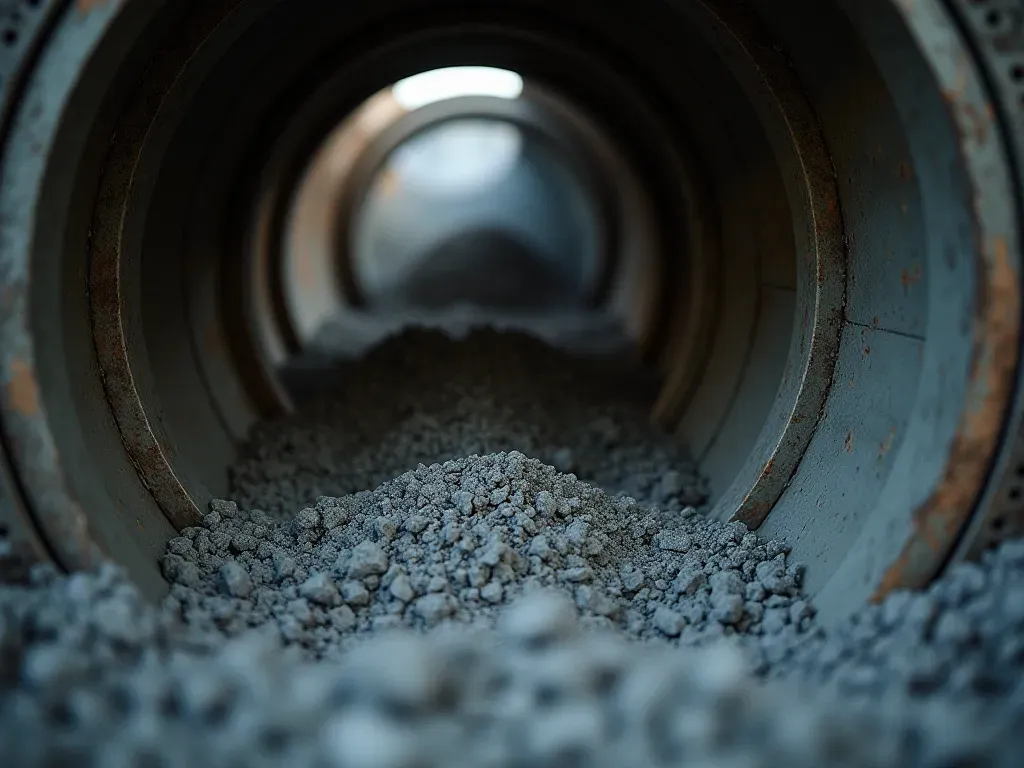
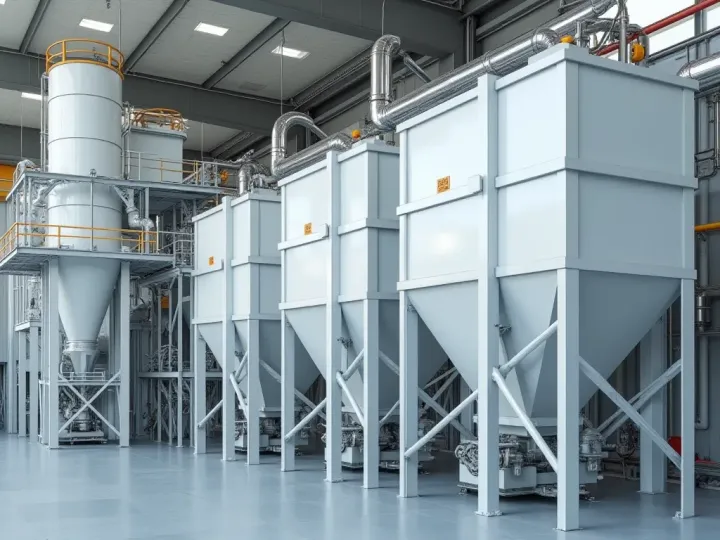
The issue wasn't the cement quality. It was the hopper geometry. A slight angle change in the discharge chute caused material bridging during peak loads. The operator thought it was a sensor glitch.
He spent $40,000 on recalibrations that did nothing. The real problem was physical. It was hidden in plain sight inside the steel structure.
Why Standard Specifications Fail In Real World Use
Most manufacturers sell you a catalog spec. They give you the cubic meters per hour. They list the motor power in kilowatts. These numbers look impressive on a brochure.
But they don't tell you how the material flows when it is damp. They don't mention what happens when ambient humidity hits eighty percent. These physical variables change everything.
I have audited over fifty plants in the last decade. In nearly half of them, I found a mismatch between theoretical flow rates and actual discharge times.
The gap is usually small. Maybe two seconds per batch. But when you run eight hundred batches a day, those seconds add up to lost revenue.
The Physics Of Material Bridging
Bridging is a silent killer. It happens when particles lock together under pressure instead of falling freely.
Standard hoppers often have a slope that is just barely enough for dry sand. Add moisture, and the friction coefficient spikes. The material sticks.
Operators usually hit a manual override button to clear it. This takes thirty seconds of downtime per incident. Multiply that by twenty incidents a day.
What A Better Manufacturer Actually Changes
A top-tier supplier does not just sell a machine. They engineer the flow path for your specific aggregate mix.
They adjust the internal angles. They add vibration plates at critical choke points. These small changes prevent bridging before it starts.
We do this for clients across the globe. The principles are universal, but the local conditions vary wildly.
If you want to see how this impacts your bottom line, look at our detailed analysis on the secret cost of your batching plant. It breaks down the hidden losses in plain English.
Case Study From A Coastal Facility
A client near the coast faced high humidity all year round. Their standard plant failed twice a week due to sticky aggregates.
We redesigned the discharge chutes with a steeper angle and added air jets. The bridging incidents dropped to zero within two weeks.
They saved roughly $15,000 a month in labor costs for manual clearing. The investment paid back in four months.
The Role Of Automation In Fixing Design Gaps
Automation is not just about speed. It is about consistency.
Smart sensors can detect when a hopper is not emptying fully. They trigger an automatic vibration cycle to clear the blockage.
This prevents the operator from even noticing the issue. The system self-corrects in real time.
But automation only works if the physical design allows it. If the hopper is too narrow, no amount of software can fix a mechanical jam.
Why Sensors Alone Are Not Enough
I have seen plants with high-end sensors that still fail. The data is accurate, but the physical path is flawed.
The sensor tells you there is a blockage. It does not tell you why it happened. You still need the right geometry to prevent it.
Think of it like a highway. Traffic lights do not fix a road that is too narrow for the volume of cars.
How To Evaluate A Supplier Before You Buy
Ask for a flow simulation. Do not just accept the brochure numbers.
Request data on discharge time at different moisture levels. A good supplier will have this tested in a lab.
If they cannot provide it, be skeptical. They may not have thought about the physical reality of your operation.
Also check their local support network. A machine is useless if you cannot get parts within twenty-four hours.
Questions To Ask Your Potential Vendor
What is the maximum moisture content your hoppers can handle without bridging?
How do you test the discharge chutes in your factory? Do you use real aggregates or just simulated materials?
What is your average response time for technical support in my region? Can you provide references from local clients?
The Long Term Impact Of Choosing The Right Partner
A poor choice costs you more than the purchase price. It eats into your margins for years.
Every hour of downtime is money lost. Every manual intervention is labor wasted.
The right supplier helps you run a leaner operation. They understand the physics and they design for it.
If you are considering a new setup, review our guide on operational costs of running a dry mix facility. It covers the hidden expenses most budgets miss.
Why Support Matters More Than The Machine Itself
The machine is static. Your operation is dynamic.
You will change your mix designs. You will add new aggregates. The supplier needs to be there for those changes.
A partner who understands your specific constraints will save you headaches down the road.
They can suggest modifications before they become problems. This proactive approach is rare and valuable.
Frequently Asked Questions
What is the most common design flaw in dry plants?
The most frequent issue is hopper geometry that does not account for moisture. This leads to material bridging and discharge delays.
How can I test a supplier's flow performance?
Ask for lab data on discharge times at varying humidity levels. Request references from clients with similar aggregate mixes to verify real world performance.
Why does automation not fix all flow issues?
Automation detects problems but cannot always prevent them. If the physical path is too narrow or angled wrong, software cannot force material to flow freely.
Comments ()