The Invisible Water Leak That Is Quietly Destroying Your Concrete Foundation
The Sound of Failure You Cannot Hear With Your Bare Ears
Stand on a busy city street at midnight. Traffic's gone. Shops are locked. And yet, under your feet, water is screaming. You can't hear it. But it's loud enough to crack the earth.
Most people picture a water leak as a geyser shooting into the air. It isn't. Most leaks are silent. They seep through soil pores and vanish into the dark. By the time you spot wet pavement, the concrete nearby is already in trouble.
I've seen sites where one pinhole in a pipe undermined an entire slab. Soil washed away. Concrete settled. Building tilted. All because nobody listened to the vibration.
Why Concrete Fears Moving Water More Than Heavy Loads
Concrete is strong in compression. It hates tension. But its real enemy is moisture migration. When water moves through the soil around a foundation, it drags fine particles along with it.
That process has a name: piping. Water carves tiny channels under the slab. Suddenly, nothing is holding up that heavy structure. It drops. And when it drops, cracks open.
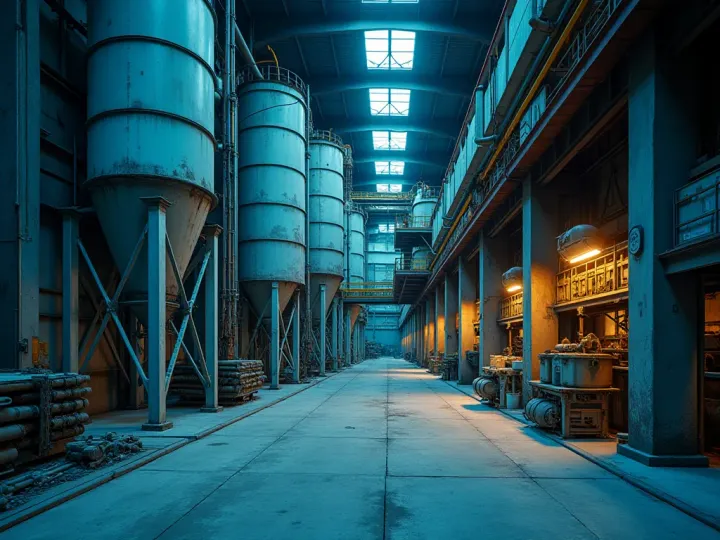
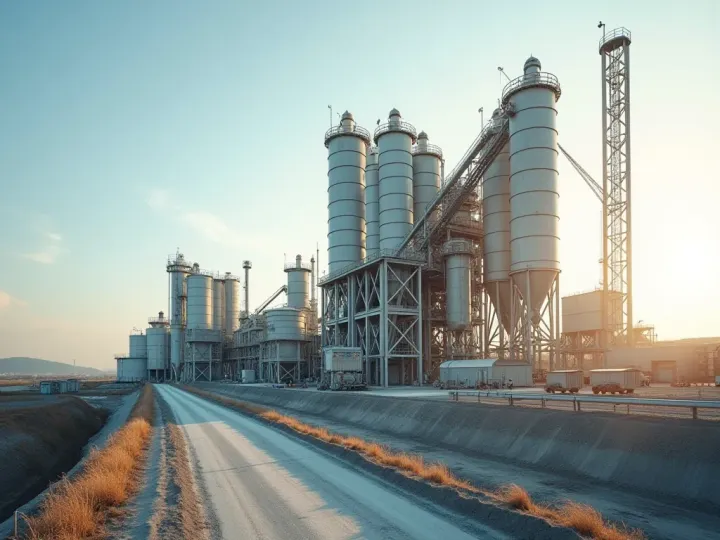
In construction, we know dry concrete batching plants depend on stable ground. If the soil beneath a plant shifts because of hidden leaks, the whole operation goes unstable. Precision disappears.
Look at a modern batching plant. Massive concrete pads underneath. Let those pads settle unevenly — even by two millimeters — and mixing drums can jam. Sensors read wrong. Output quality tanks.
The Physics of Sound in Underground Pipes
Water under pressure moves fast. When it hits a crack, it vibrates the pipe wall. That vibration travels through steel or plastic at roughly one kilometer per second.
The human ear can't catch it. Frequency's too low. A listening rod can, though. Put it on the pipe or the valve box. You'll hear a rush. Like wind through a canyon.
Surveyors do this at night. Why? The city is quiet. A leaking pipe's hum stands out against that silence. It's a ghost in the machine.
Correlating Two Points to Find the Source
Listening is subjective. Correlation is math. Place sensors at two points on the pipe. The sound hits one before the other. That time difference tells you exactly where the leak is.
Sensors one hundred meters apart, ten-millisecond delay — there's your answer. The leak is right in the middle. No guesswork required.
But be careful. Don't know the pipe material? Your math is wrong. Steel transmits sound faster than PVC. A small data error creates a large location error.
Flow Rate Anomalies That Reveal the Invisible
Sometimes you can't hear a thing. Pipe's too deep. So we measure the water itself. At night, usage drops to near zero. If flow stays high, something's wrong.
This is called minimum night flow analysis. Simplest and most effective tool in our kit. A spike in overnight usage points to a leak in that zone.
Context matters, though. A hospital uses water at AM. A factory too. You need to know the baseline. Otherwise you're chasing ghosts.
Pressure Drops as a Warning Sign
Large leaks cause pressure drops. If your sensors show a sudden dip in system pressure with no change in demand, you've found it.
Small leaks might not show up here. That's why we combine all methods. Sound, flow, and pressure together paint the full picture.
The Cost of Ignoring Small Leaks in Construction Zones
A small leak is cheap to fix. A large collapse is expensive. Simple math, but painful for project managers.
I remember a site in a coastal region where they ignored early acoustic warnings. Three months later, the access road collapsed. The project stopped for two weeks.
Repair cost was ten times the original estimate. The schedule slip meant penalty fees. Ignoring data is never free.
How Dry Batching Plants Stay Stable Amidst Underground Chaos
When we manufacture dry concrete batching plants for global markets, stability comes first. The ground must hold.
We design foundations that account for soil variability. But even the best foundation fails if water undermines it from below.
That's why we tell clients to monitor local water infrastructure. If municipal pipes are leaking near your site, you're at risk.
Check soil moisture levels. If they rise without rain, suspect a leak. Protect your plant before you protect your profits.
The Hidden Link Between Water Infrastructure and Concrete Quality
Concrete is a mixture of cement, sand, aggregate, water. If the water supply line leaks into your material stockpile, you ruin the batch.
We've seen aggregates turn into sludge because of an unnoticed leak in the supply line. You eat the cost in wasted material and delayed delivery.
Seems like a small issue. But in high-volume production, every kilogram of wasted aggregate adds up to thousands in lost revenue.
Practical Steps for Operators To Detect Early Warning Signs
Start with your own meter. If it spins when no water is used, you have a problem.
Next, listen. Press your ear to the pipe or use a stethoscope. Any rushing sound is a red flag.
Finally, monitor the pressure. If it drops randomly without valve changes, call a professional.
Don't wait for the pavement to sink. By then, it's too late.
Why Large Pipes Are Harder To Diagnose
Large pipes are buried deep. Sound dissipates in the soil. You can't hear it from the surface.
So we lean more on flow and pressure. Those metrics don't care about depth. They only care about volume.
Mastering both is a different skill set. But for critical infrastructure, you need both.
The Role of Remote Monitoring in Modern Systems
Modern sensors send data to the cloud. Flow spikes at AM? An alert goes out instantly.
No human needs to be there at night. The system works for you twenty-four seven.
This technology is becoming standard in new municipal projects. It saves money and prevents disasters.
Conclusion The Quiet Threat Under Our Feet
Water leaks are invisible until they become catastrophic. Sound and flow data are our eyes in the dark.
For concrete operators, this knowledge is vital. A stable foundation depends on a dry and solid soil base.
If you're building or operating concrete plants, check your water infrastructure. Don't let a silent leak destroy your hard work.
The next time you hear water running at night, listen closely. It might be telling you something important.

Comments ()