The Concrete Mix That Is Quietly Breaking The Rules
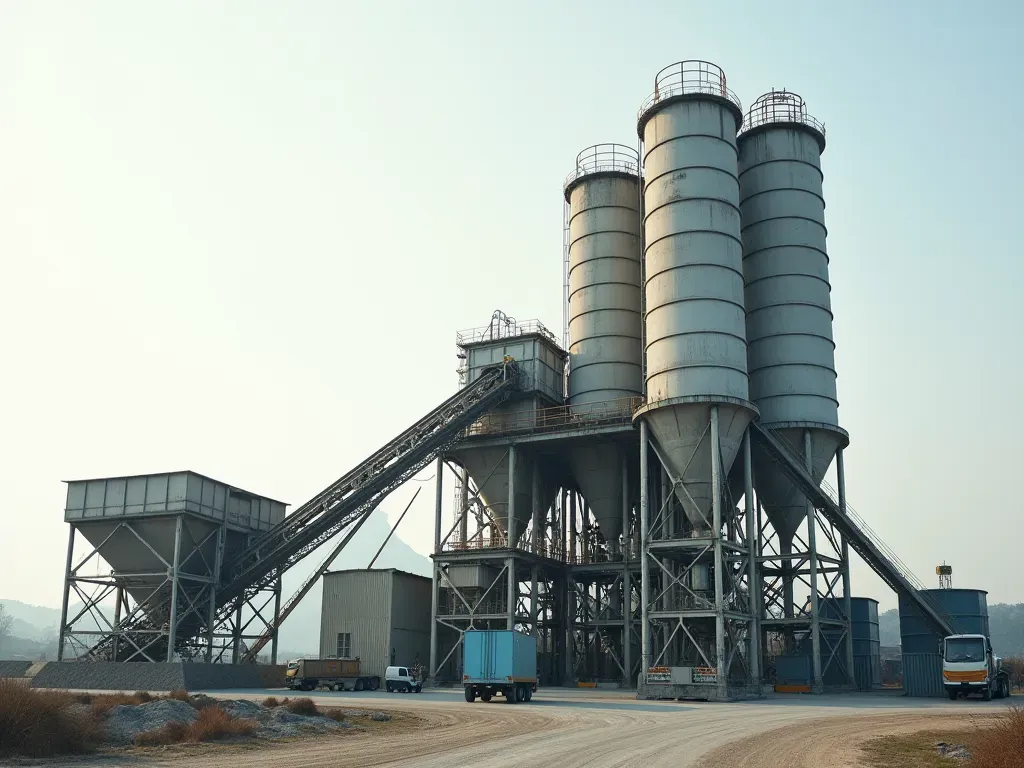
The Recycled Mix That Nobody Expected To Work This Well
Here's the thing. Most people hear "recycled concrete" and picture weaker slabs, more cracks, a trade-off between strength and sustainability. R Collard just proved that assumption wrong.
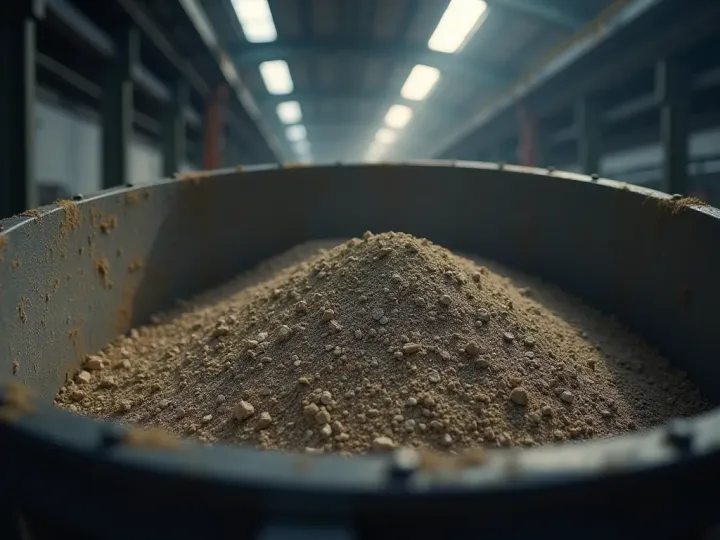
Their new Nursling plant in Southampton is churning out high-performance mixes using repurposed construction waste. And this isn't some small batch experiment. It's industrial scale.
The numbers are what got me. Up to ninety cubic meters per hour. That is not a niche product for garden sheds. This is heavy-duty infrastructure material.
So why does this matter to you? Because the industry has been stuck in a loop. We use virgin aggregates and cement, we build, we demolish, we waste, and we start over again.
Breaking that loop is the real story here. It isn't just about saving a few trees or reducing transport miles. It's about fundamentally changing what goes into our buildings.
Why The Carbon Math Finally Started Working For Recycled Aggregates
To be fair, the skepticism was justified for years. Recycled materials were often inconsistent in size and shape. That inconsistency led to poor compaction and higher water demand.
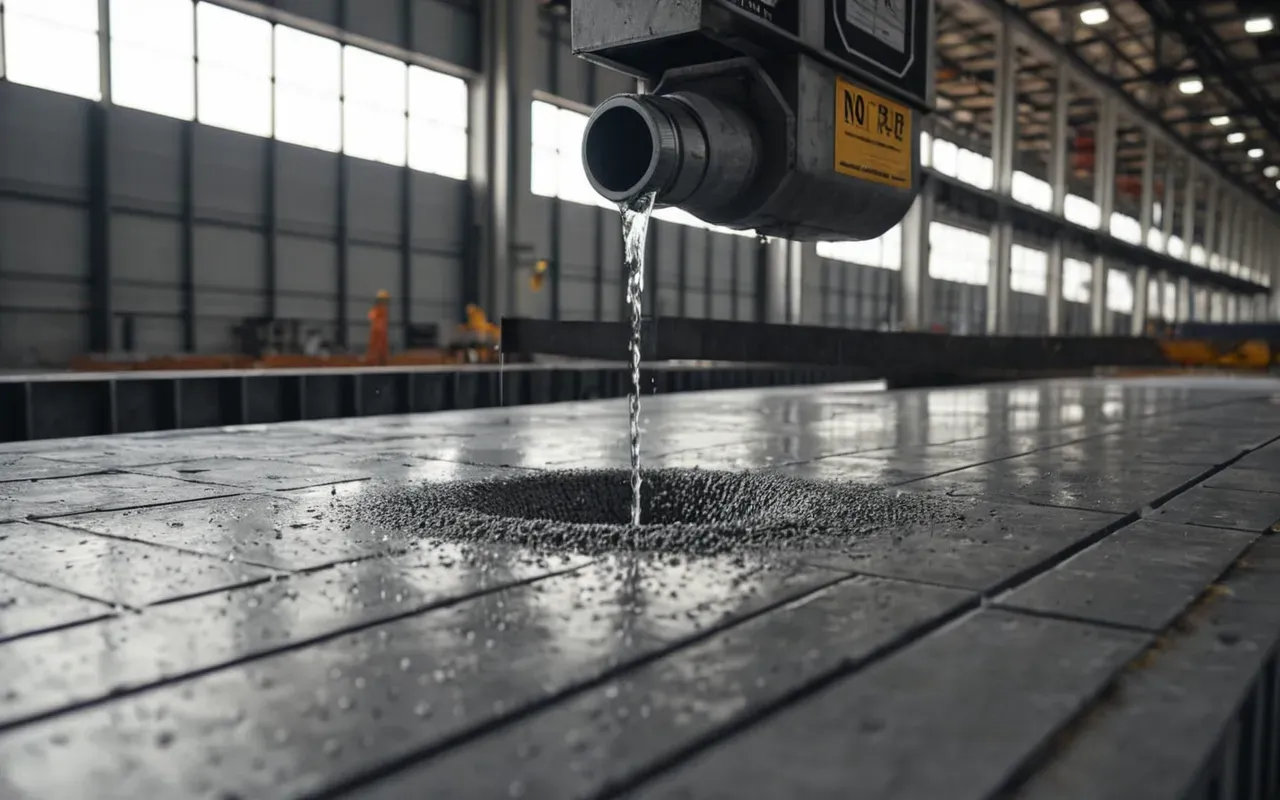
But technology caught up. The twin-shaft mixer in the new plant is a game changer for blending precision. It ensures every batch has the exact same density and moisture level.
This consistency is what allows them to use recycled aggregates without fear. If the mix design holds up in a controlled environment, it performs reliably on site.
The carbon savings come from two places. First, you avoid quarrying virgin rock. Second, you reduce the transport distance because demolition waste often sits close to new build sites.
It is a simple economic argument that finally aligns with environmental goals. Lower energy input for processing and lower fuel costs for logistics.
The Hidden Cost Of Sticking With Traditional Ready-Mix Concrete
Let's talk about the alternative. Traditional wet concrete delivery is a logistical nightmare for many sites. Trucks arrive on tight schedules and windows are narrow.
If you miss the window or have a delay in pouring, that batch is wasted. You pay for material that ends up in landfill within forty-eight hours.
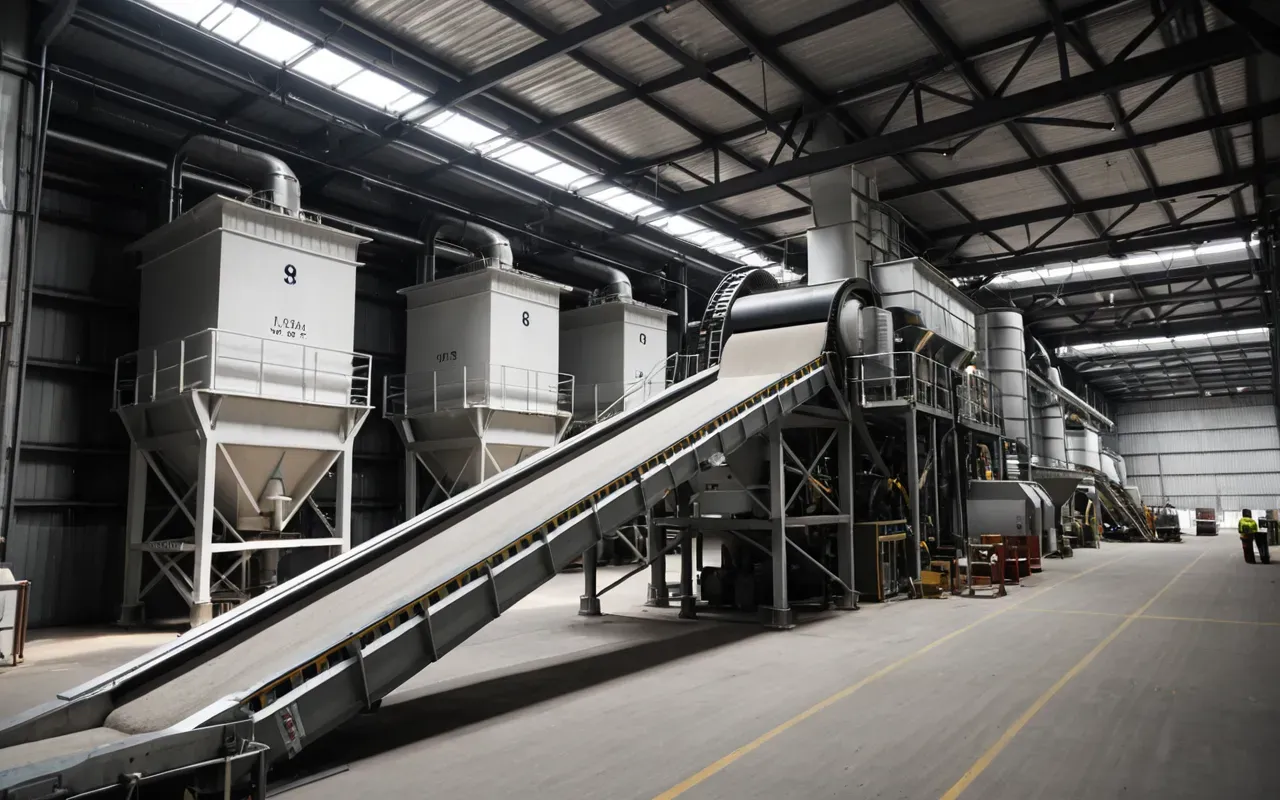
This is where the dry mix approach shines. It stores well and mixes on demand at the point of use or in controlled batches without the urgency of wet delivery.
If you are curious about how the industry is moving away from wet delivery, this shift in supplier strategy makes a lot of sense.
The financial leak is real. Every cubic meter of wasted ready-mix concrete costs money that could have been spent on better finishing or additional labor.
Who Wins When Recycled Concrete Becomes The New Standard
The obvious winner is the developer with tight sustainability targets. They get certified points and lower embodied carbon scores without compromising structural integrity.
But who loses? The traditional quarrying operations that rely on virgin aggregate extraction. Their market share is being eroded by this closed-loop system.
There is also a loser in the form of outdated equipment. Plants that cannot handle recycled materials efficiently are becoming liabilities rather than assets.
We keep seeing suppliers like R Collard invest in dual-purpose capability. They can run virgin mixes when needed but default to recycled options for most applications.
The Screed Application That Proves The Point
One specific product line stands out. Their dry screed and self-leveling mixes are engineered for high durability. These are not just filler materials.
These mixes need to flow smoothly and set hard. Using recycled aggregates in such a precise application requires exceptional quality control.
The fact that they can do this at scale suggests the technology is mature. It isn't a prototype anymore; it's a production-ready solution.
If you are looking for insights into why concrete plant pricing is often misleading, understanding this value shift helps clarify the market.
What This Means For The Future Of Building Materials
This isn't just a local win for South Hampshire. It's a signal to the entire global market that circular economy principles work in heavy industry.
The barrier to entry for other suppliers is lower now. If one major player proves the model works financially and technically, others will follow suit.
I suspect we will see more plants like this within five years. The pressure from clients to reduce embodied carbon is only going to increase.
The companies that adapt early will capture the market share. Those who stick to traditional methods will find themselves fighting for a shrinking slice of pie.
Your mileage may vary depending on your specific project needs. But the direction of travel is clear and undeniable.
If you are still using old methods that break supply chains, now is the time to rethink your strategy.
The Bottom Line For Builders And Suppliers Alike
R Collard has done something simple but profound. They proved that recycled materials can meet the highest standards of performance.
It challenges every assumption we had about the trade-offs between green and strong. We thought they were opposites. They are not.
The real question is whether the rest of the industry will wake up before it's too late. The window for leading this transition is open now.
We need to stop viewing waste as a problem and start seeing it as an input. That shift in mindset is the most important change of all.
The concrete under our feet is about to change. And this time, it's changing for the better.

Comments ()