The Real Reason Your Concrete Batching Plant 3D Model Is a Waste of Time
The Beautiful Lie of a Static Render
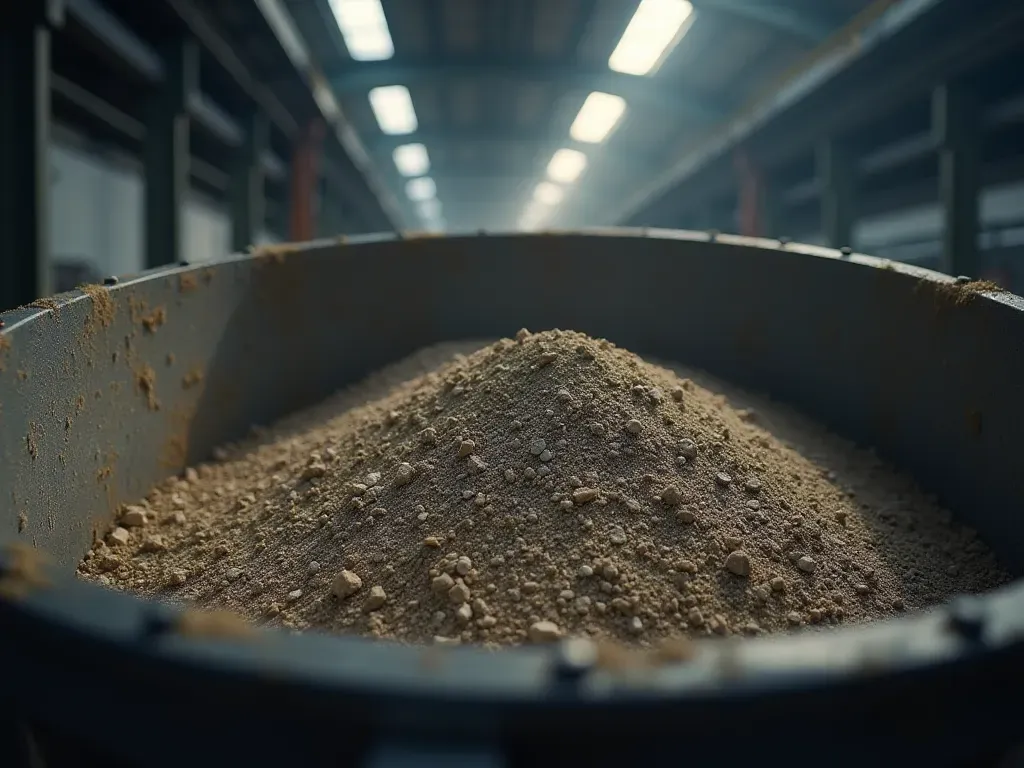
I saw a stunning render last month. Perfect, honestly. Shiny steel, tight layout, every pipe sitting exactly where it should be. Then we ran that design on-site, and the first batch stuck in the hopper.
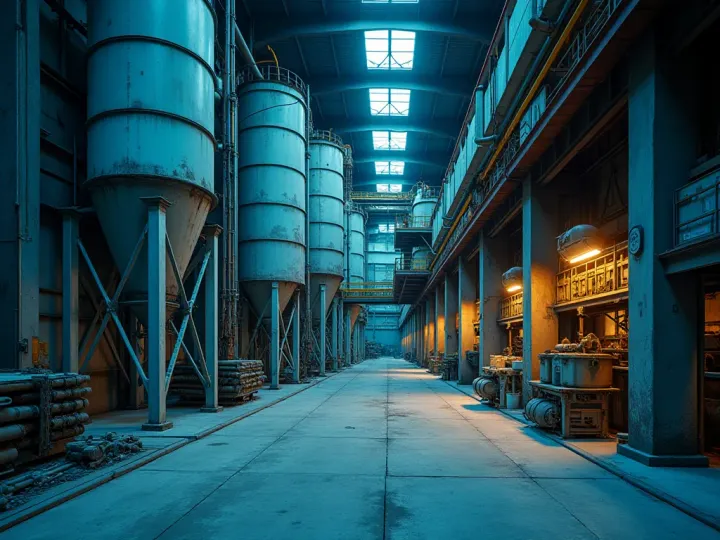
This happens more than you think. A concrete batching plant d model is often just a pretty picture. It shows the shape of the machine but not how it behaves under load, heat, or vibration.
We manufacture dry concrete batching plants for clients globally. I've lost count of how many buyers picked the wrong unit because they trusted a glossy image over functional data.
Here's the thing. A D model is a marketing tool first and an engineering document second. That distinction changes everything about how you should evaluate it.
What Buyers Actually Need to See in a Model
Most people look for visual appeal. They want to see the size, the color of the hopper, whether it fits in their yard. But those are surface details.
Real engineers look for clearance paths. Can a truck reverse into the loading bay without clipping the control cabin? A static model almost never shows dynamic vehicle movement.
Then there's maintenance access. Can a technician reach the motor? Is there room to swap a worn belt without dismantling half the structure? A pretty render answers none of this.
I once watched a client sign off on a plant because the model looked compact. Six months later, they realized they couldn't service the aggregate feeder without removing three other components.
The Missing Data in Every Generic Model
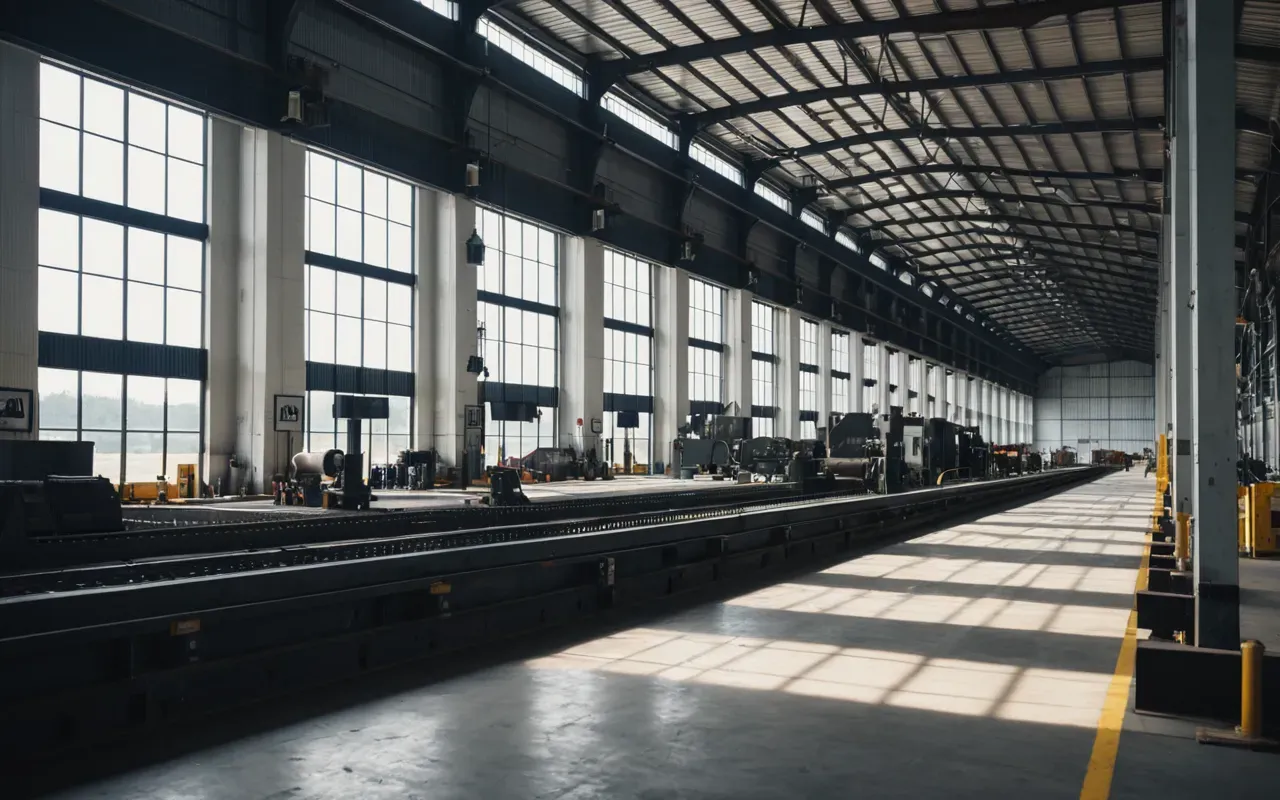
A typical concrete batching plant d model shows the static geometry. It tells you where things sit when nothing is moving. But concrete plants are dynamic systems.
Aggregate flows in pulses. Hoppers empty and refill. Belts stretch and tighten. A model that ignores these forces is incomplete.
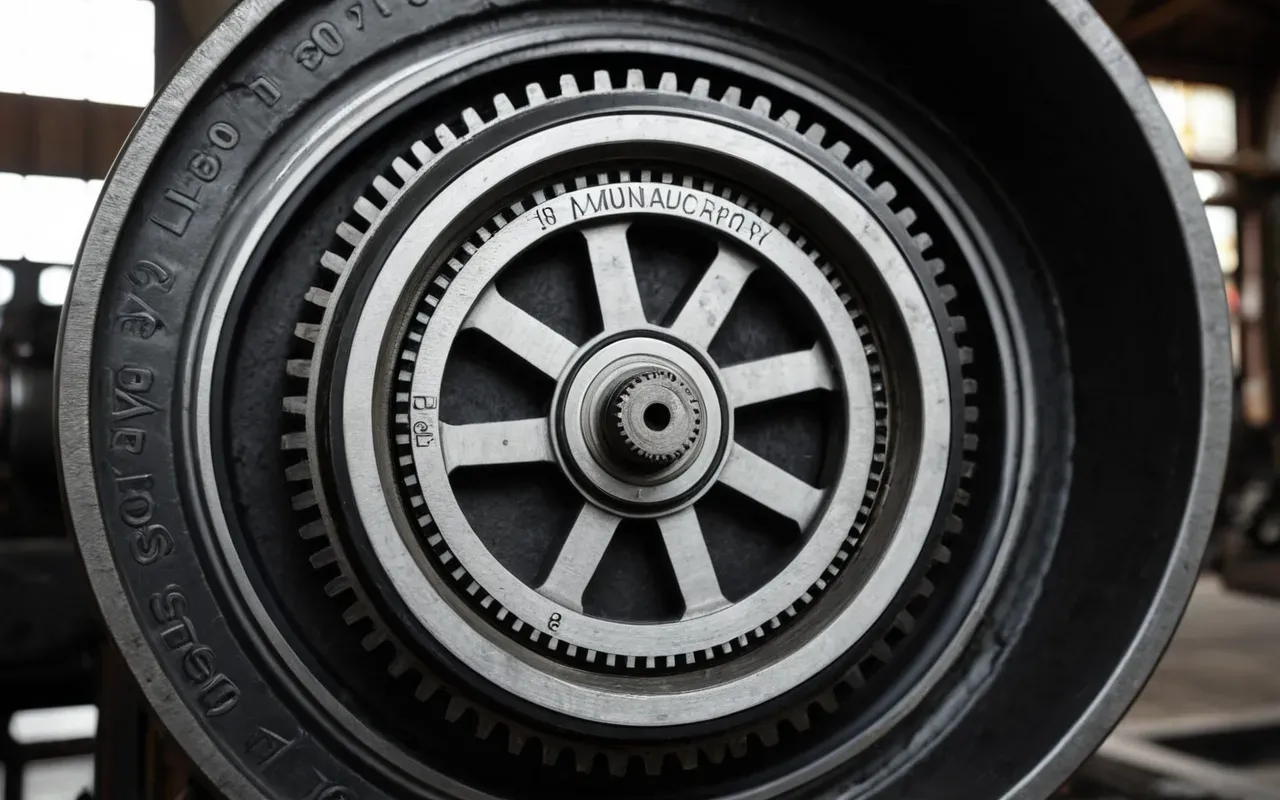
We found a specific gap in most online models. They rarely show the internal structure of the mixing drum or the batcher tower. You get the outside shell, not the mechanism inside.
That's a big deal for dry mix facilities. The way materials are proportioned and stored dictates the entire workflow. Can't see the internal storage configuration? Then you're guessing.
To be fair, some vendors provide cutaway views. Even then, they usually omit the wear points. You don't see where material hammers the steel over thousands of cycles.
Why Visual Accuracy Misleads Procurement Teams
There's a psychological trap here. A high-quality render feels authoritative. It looks professional. Buyers assume that if the visual is good, the engineering must be solid too.
But I've seen plenty of ugly-looking plants run flawlessly for a decade. And beautiful models that fail within weeks. Visuals and performance are not the same thing.
The problem gets amplified when teams rely on these models for site planning. They measure the footprint from a screenshot and forget expansion joints or drainage needs.
I've noticed procurement teams often skip the technical datasheet because the model looks so convincing. They think they already have everything they need.
Dangerous assumption. The datasheet holds the torque specs, the motor ratings, the material compatibility notes that actually decide whether the plant works in your climate.
The Specific Flaw in Dry Mix Facility Designs
Let's talk about dry concrete batching plants specifically. These systems handle moisture-sensitive materials differently than wet mix units.
A standard model shows the bins and the mixer. It doesn't show how humidity affects material flow in those bins over time.
In hot and humid environments, dry mix can clump. The model looks fine in a controlled rendering environment, but it can't predict that real-world behavior.
We design our plants with specific venting and airflow paths that aren't always visible in a basic D view. Subtle details. They're what prevent blockages.
Compare vendors on visual models alone, and you'll miss these airflow features entirely. That's a real gap in your evaluation process.
How to Evaluate a Model Beyond the Pretty Picture
So what should you do instead? Start by asking for dynamic simulations. Not a static image — an animated flow diagram.
Ask the vendor to show you how material moves from intake to output. Where are the choke points? How does the system handle peak load?
Cross-reference the model with third-party reviews. Find operators who have run that specific design in a climate like yours.
I recommend checking why most concrete batching plant operators never actually see the working principle to understand these hidden mechanics better.
Also weigh the long-term maintenance costs. A model that looks efficient on paper might need constant cleaning to prevent buildup.
The bottom line is simple. A concrete batching plant d model is a starting point, not the whole story. You have to dig deeper.
The Real Cost of Trusting Only Visuals
When a plant fails because nobody designed it for your specific conditions, the cost is high. Downtime, material waste, reputation damage — it all adds up.
I've calculated that a single week of downtime can erase the savings from choosing a cheaper model-based design.
The initial price tag looks attractive. Factor in the hidden maintenance and inefficiencies, though, and it's often a false economy.
This is why we emphasize functional testing over visual appeal. We want our clients to see the plant work before they buy it.
Still unsure what to look for? Consider reading why most concrete batching plant prices are completely wrong to understand the true value equation.
Frequently Asked Questions
What is a concrete batching plant d model used for?
A concrete batching plant d model is primarily a visualization tool. It helps buyers understand the physical footprint and layout of the equipment before installation. However, it rarely captures dynamic operational behavior or internal mechanical details.
Why do static renders fail to predict real-world issues?
Static renders show geometry but not physics. They don't simulate material flow under load, heat expansion, or vibration. These dynamic factors are where most operational failures originate in real-world batching plants.
Can I trust a model from an online marketplace?
You should treat marketplace models as reference only. They are often generic and not tailored to specific engineering standards or local climate conditions. Always verify with the actual manufacturer's technical datasheets.
How does a dry mix facility differ in design requirements?
Dry mix facilities require precise control over moisture and airflow. The design must include specific venting and storage configurations to prevent clumping. These features are often invisible in standard visual models.

Comments ()