Holcim's DYNAMax Concrete Is Making Traditional Rebar Obsolete
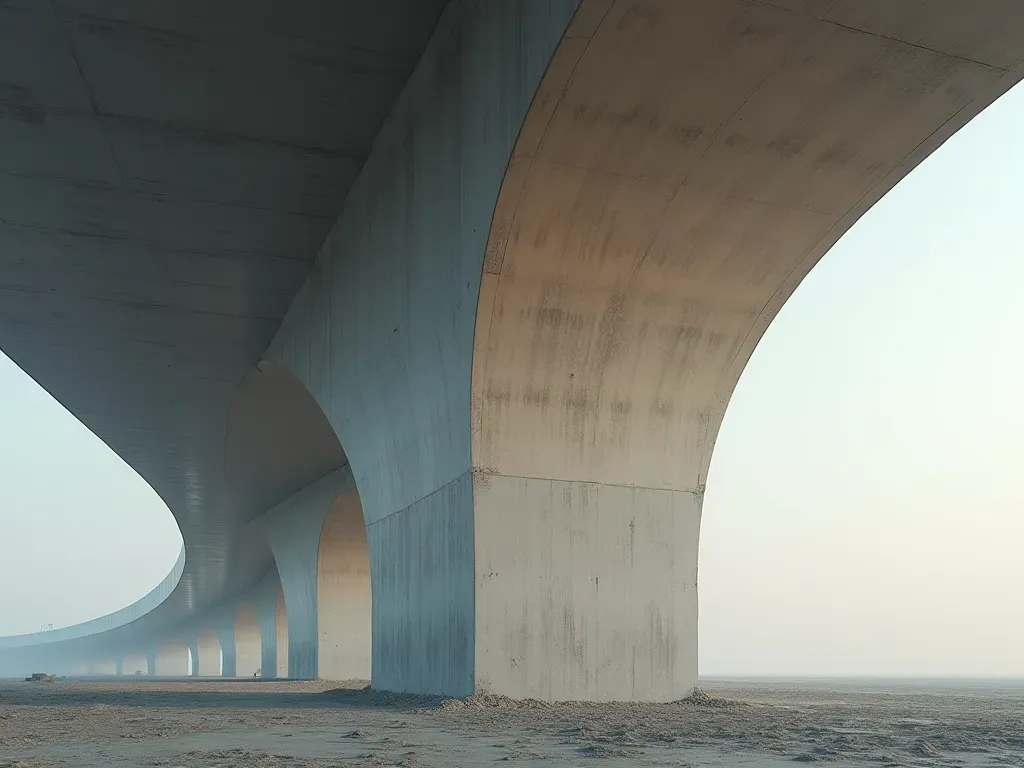
The Material Quietly Rewriting Structural Limits
Most engineers still think in terms of volume. More concrete, more strength. That assumption is quietly falling apart. We're seeing a shift where less material actually delivers far greater structural performance.
Holcim's DYNAMax concrete challenges the traditional playbook. It pushes compressive strength beyond kg per square centimeter. That's not a marginal improvement. It changes how we calculate load paths and structural spans.
The real surprise is in the stiffness. Exceeding GPa means columns and beams can be significantly thinner. Architects gain freedom that standard mixes simply cannot provide without adding massive weight.
I was struck by the durability claims. This mix is designed to last decades longer than standard concrete. That means less maintenance and lower lifecycle costs for building owners worldwide.
Why Thin Profiles Are Changing Global Architecture
Space is the most expensive resource in any building. DYNAMax allows engineers to design slabs and walls that are noticeably thinner. This creates more usable floor area without expanding the footprint.
Consider a parking structure. Thinner columns mean more spaces fit in the same volume. Ceiling clearances increase. Traffic routes become simpler and safer for drivers navigating tight spaces.
This is not just about saving a few inches of concrete. It opens up architectural ideas that were previously impossible due to weight and span limitations.
I have seen projects fail because the structural budget could not support the architectural vision. High strength mixes are solving that mismatch by letting designers build bolder forms within existing material budgets.
The Hidden Economic Advantage of Less Material
Less concrete means less steel. That combination reduces transport costs and lowers the carbon footprint of each project. It is a double win for both sustainability and budget.
Reducing concrete volume by one third can cut structural carbon emissions by percent. That is a substantial drop in environmental impact for any large scale development project.
Early strength development also speeds up construction timelines. Forms can be stripped sooner and work progresses faster on critical path tasks.
The Sustainability Story No One Is Telling You
Sustainable construction is often about adding green materials. DYNAMax takes a different approach by simply using less of the most carbon intensive material in building.
This is a circular economy play. The mix remains fully recyclable at end of life. But the real win happens during construction when we extract less raw material from the earth.
Local production and short transport routes further improve environmental outcomes. This is not a theoretical benefit. It shows up directly in project carbon reports.
I believe this is the quiet shift that will define the next decade of building. We are moving from adding more to using smarter.
What This Means for Batching Plant Operators
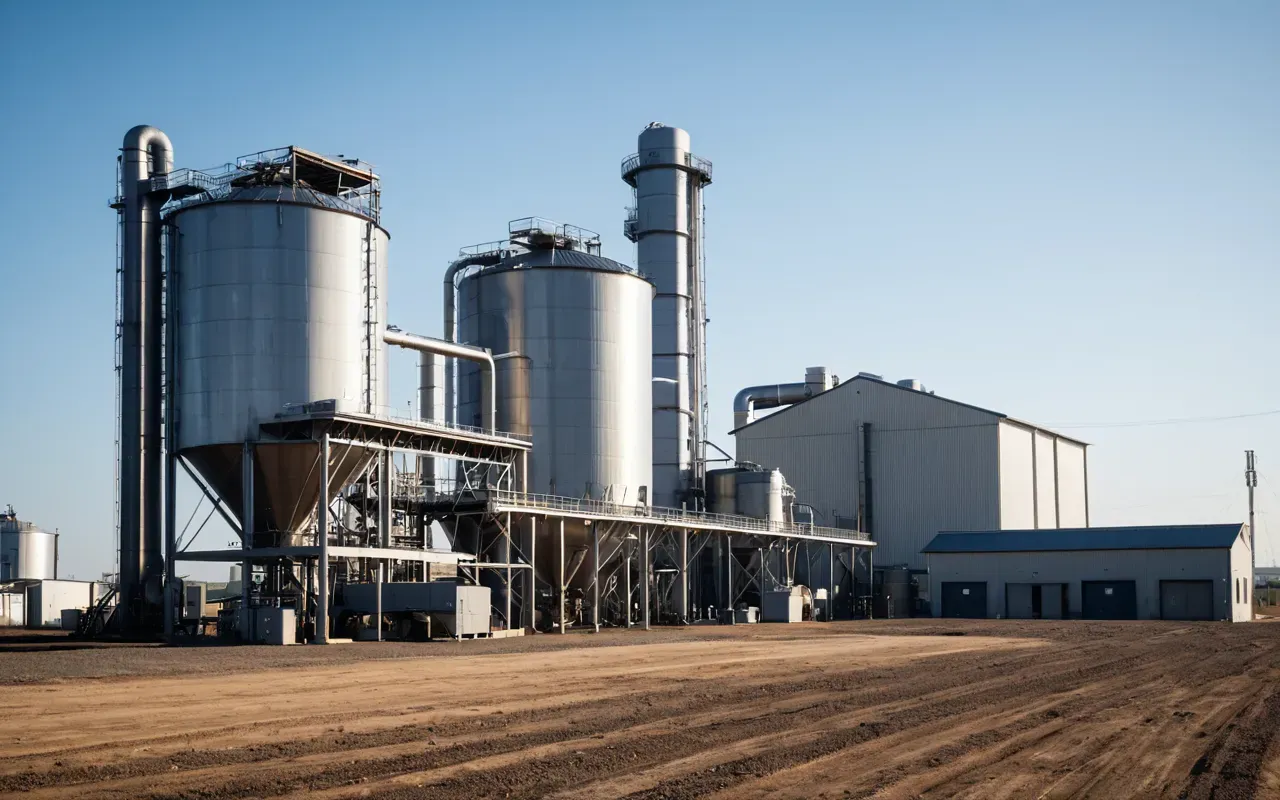
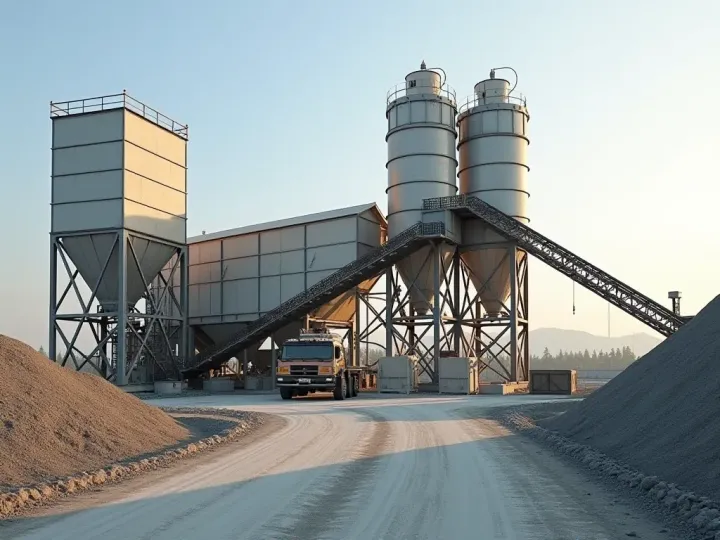
If you run a dry concrete batching plant, this trend is coming directly to your door. Customers will increasingly demand mixes that deliver higher strength with lower volume.
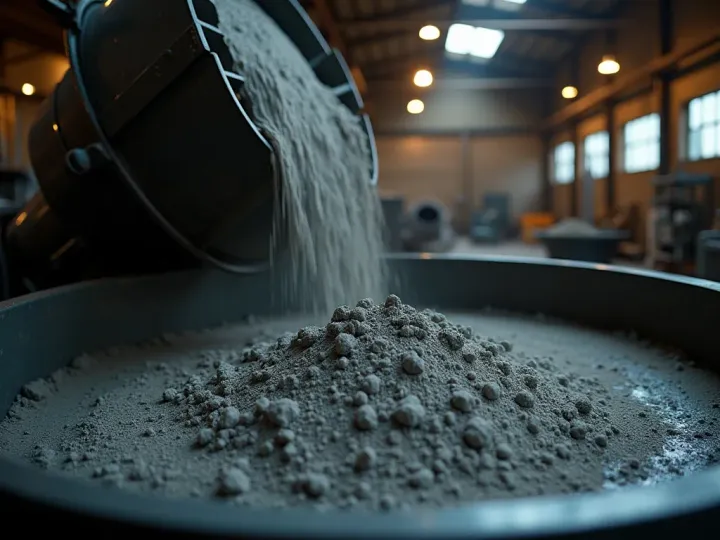
Operators must be ready to handle precise mix designs that push material performance boundaries. This is where understanding the working principle of your batching equipment becomes critical for quality control.
The plants that adapt will capture the premium market. Those that do not may find their standard mixes becoming less competitive in high value projects.
Applications That Will Surprise You
Exposed concrete surfaces benefit from the enhanced durability of this mix. The finish stays resilient and requires far less maintenance over time.
Long span bridges and roofs become feasible without massive steel reinforcement. This opens up new possibilities for public infrastructure projects.
Stairwells and elevator shafts get thinner walls. That frees up space for additional units or wider corridors in residential buildings.
I have seen developers lose entire projects because they could not fit required parking ratios. This material solves that problem by making every square meter count more.
The Global Rollout and What It Signals
Holcim is launching this mix across Europe, Latin America, North America, and Asia-Pacific. This is a coordinated global strategy aimed at premium construction markets.
The fact that they are standardizing it across continents suggests this is not a niche product. It is becoming the new benchmark for high performance concrete.
For manufacturers of batching equipment, this is a clear signal. The future belongs to plants that can deliver consistent high strength mixes with precise control.
We are witnessing a material revolution that is quiet but powerful. The buildings of the next decade will be thinner, stronger, and more sustainable than anything we have seen before.
Comments ()