Revolutionizing Concrete Production Through Onsite Pre-Mixing and Green Innovation

The Future of Construction Lies in Onsite Pre-Mixed Concrete Technology
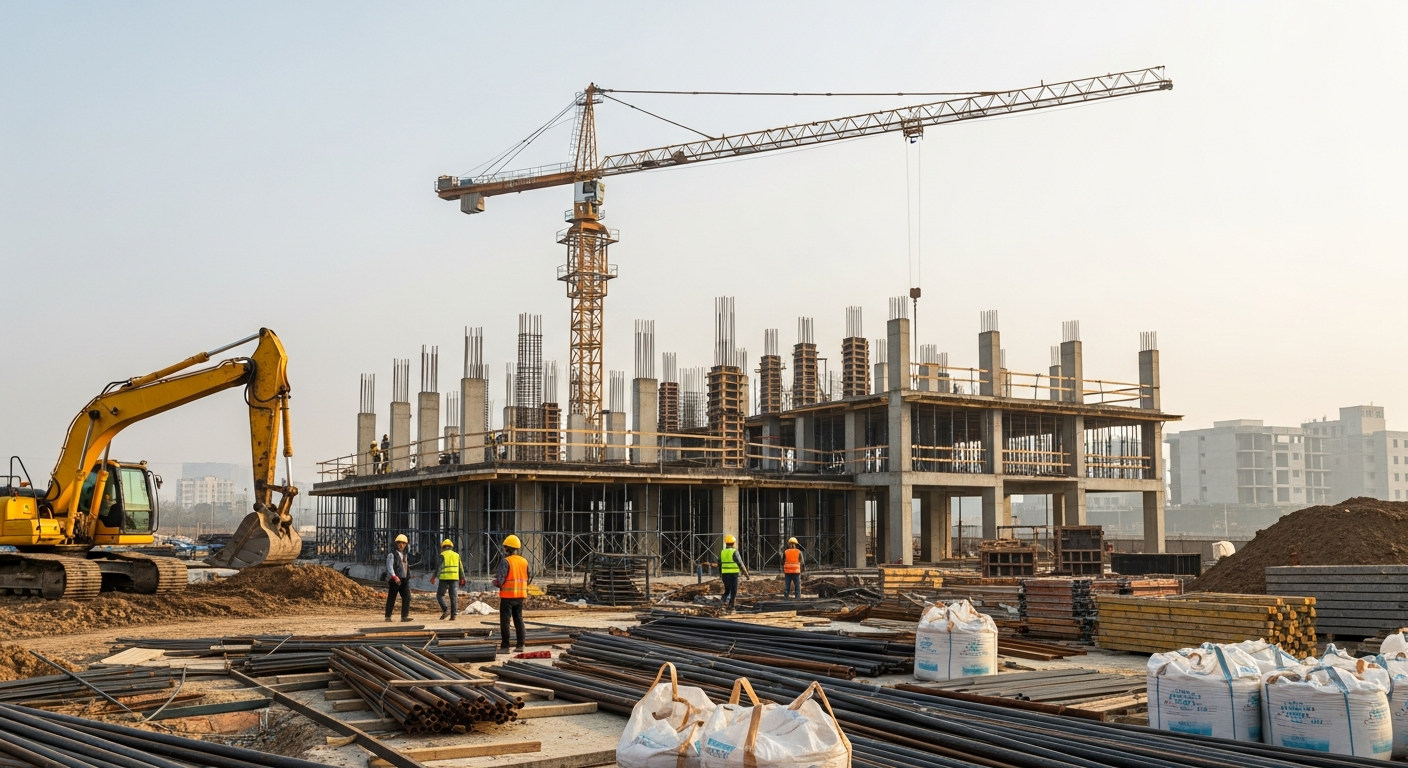
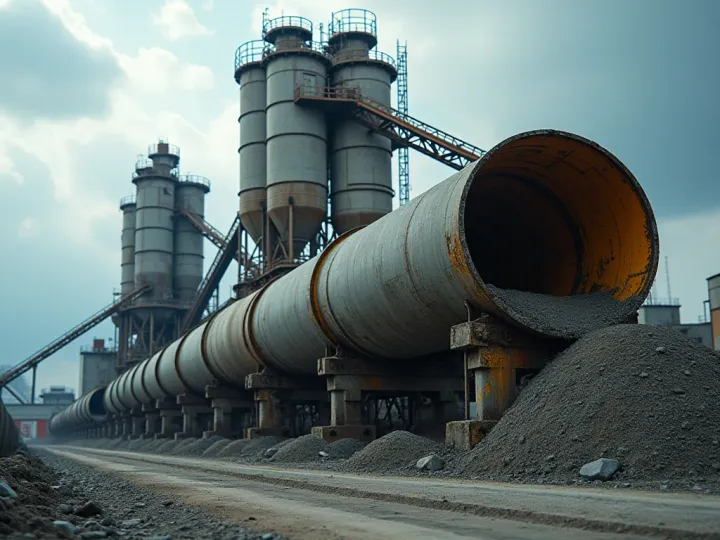
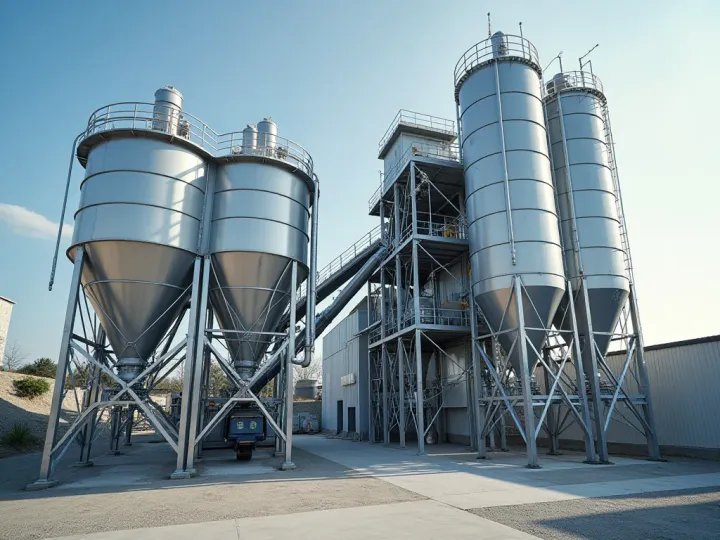
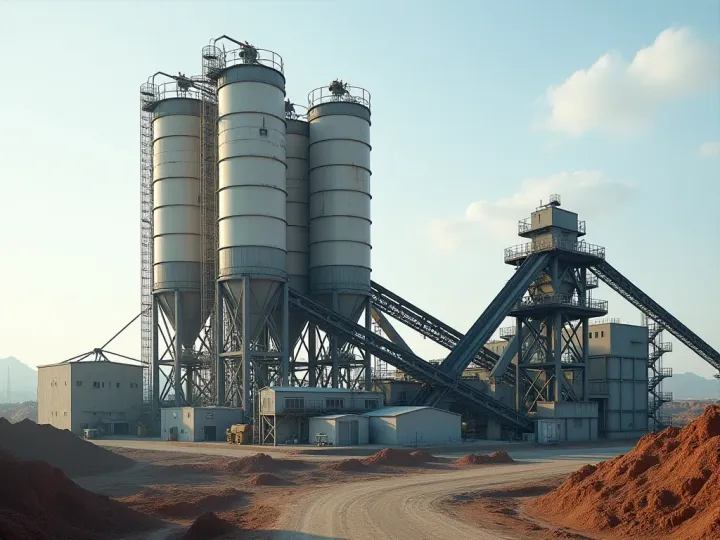
Imagine a construction site where concrete is prepared precisely at the moment it’s needed, dramatically cutting down on delays and emissions. Windsor’s leading concrete company, Lakeshore Construction, is turning that vision into reality by pioneering an Italian-made dry batching plant that pre-mixes cement on-site using electric-powered technology. This approach doesn’t just optimize efficiency — it also signals a significant shift toward environmental responsibility, as the traditional diesel-powered trucks and mixers are replaced by cleaner, more controlled processes. This new technology allows for a more consistent concrete quality, reducing waste, and ensuring that large-scale projects like the upcoming Gordie Howe International Bridge and NextStar Energy battery plant stay on schedule while dramatically lowering carbon footprints. As the industry seeks to reconcile rapid growth with sustainable practices, this innovation might just serve as a blueprint for the future.
Who Really Benefits and Who Might Be Left Behind
While the promise of onsite pre-mixing is compelling, its adoption raises questions about accessibility, cost, and industry readiness. Larger firms like Lakeshore Construction are poised to benefit immensely, especially given their continuous demand for high-volume, high-quality concrete for groundbreaking projects. Their investment in Italian technology is a calculated move that could outpace smaller competitors who lack the capital or volume to justify such upgrades. However, smaller companies and traditional dry mix plants may face obsolescence if the trend accelerates, potentially consolidating market power among a few industry giants. Additionally, though the environmental benefits are clear—fewer truck emissions and more controlled mixing—the upfront costs and technical hurdles remain barriers that could slow widespread adoption. Ultimately, this shift might favor industry leaders, but it also underscores the urgent need for supportive policies and innovations to democratize access to sustainable construction methods.

Why This Innovation Could Reshape the Global Construction Power Dynamic
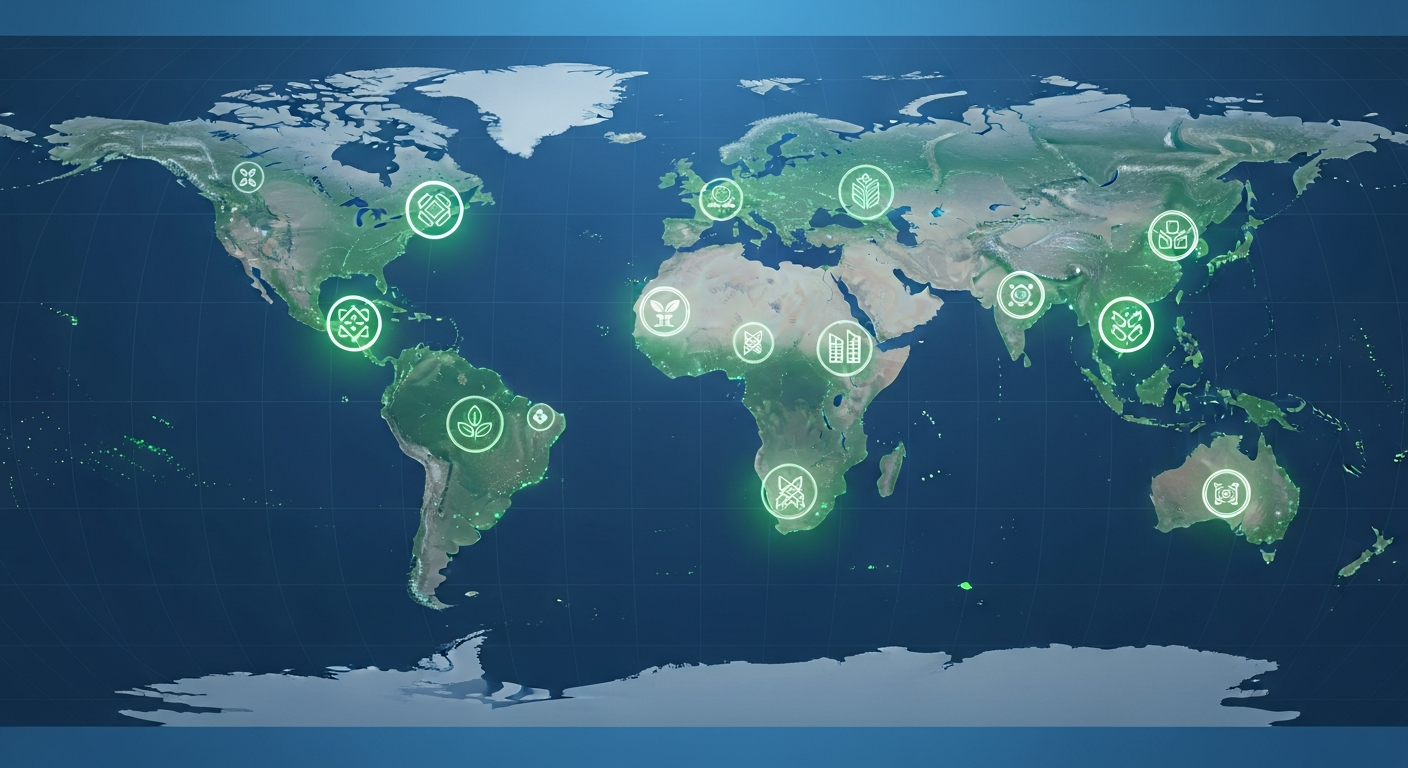
The adoption of Italian pre-mix technology by Windsor highlights a broader trend where innovation, rather than traditional mass production, begins to shift power within the industry. Countries and companies that invest early in such sustainable, efficient solutions could establish dominance in global markets, especially in rapidly growing regions like Windsor-Essex, which is experiencing economic surges fueled by major infrastructure projects. By decreasing reliance on trucking fleets and improving batch quality, firms can negotiate better project timelines and costs, giving them a competitive edge. Moreover, this technological leap also redefines the environmental narrative—those who pioneer eco-friendly practices can influence regulations, garner public support, and attract investment. This evolving landscape hints at a future where industry hierarchies are less about size and more about innovation and sustainability leadership.
The Road Ahead and What It Means for Construction Professionals
As Windsor’s example demonstrates, integrating advanced pre-mixing techniques offers a tangible path toward greener, faster, and more reliable construction projects. Industry professionals are now encouraged to consider how adopting such technologies could reduce their carbon footprints and improve project timelines, especially in large-scale industrial developments. While initial investments might seem steep, the long-term savings from reduced emissions, waste, and operational downtime could reshape project planning and client expectations. For construction firms eager to stay ahead, embracing innovation like onsite pre-mixing not only addresses environmental imperatives but also unlocks a competitive advantage. The coming years will reveal whether the industry can overcome barriers—cost, training, and regulatory hurdles—and truly transform into a sustainable powerhouse.
Comments ()