The Hidden Power of Dry Concrete Batching Plants Transforming Modern Construction
The Quiet Revolution of Dry Concrete Batching Plants in Construction
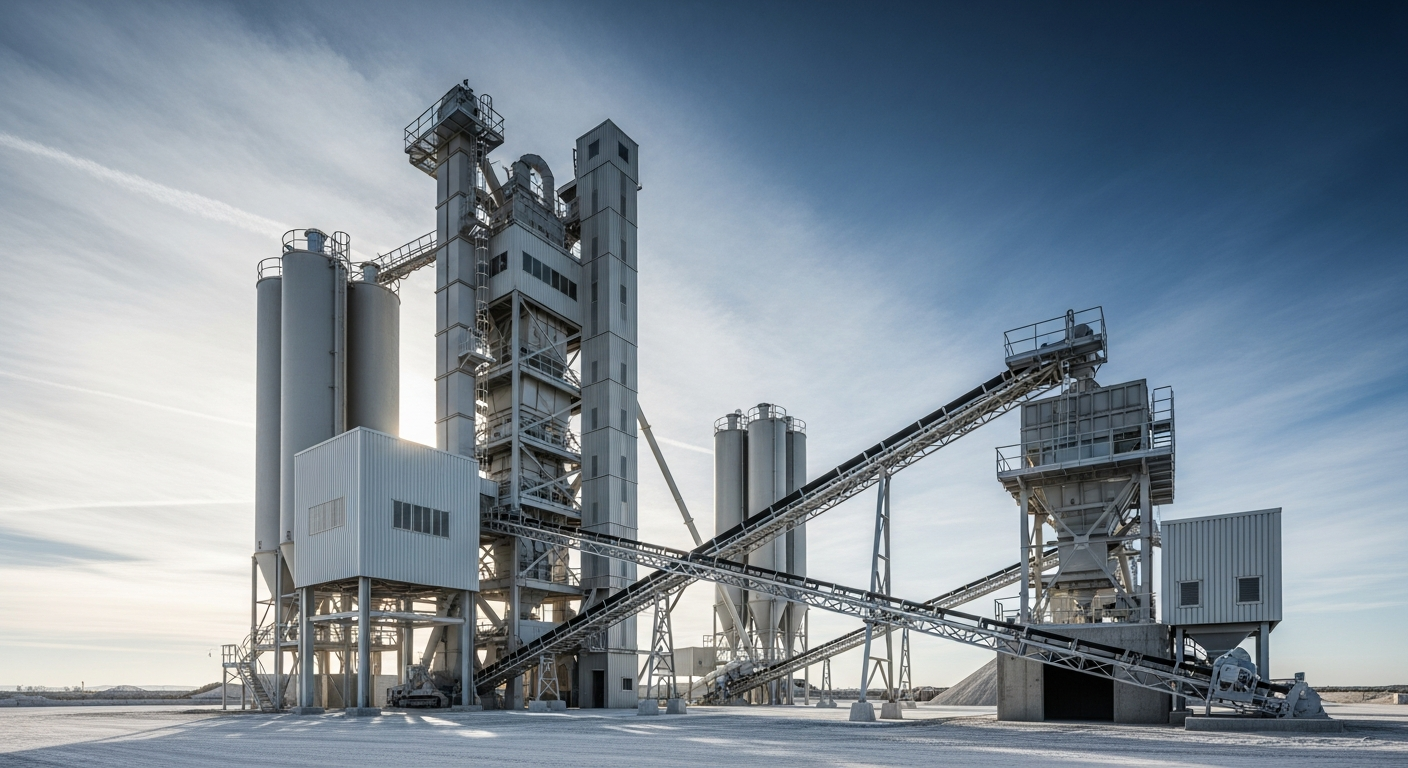
In an industry that often celebrates large-scale machinery or grand architectural feats, the transformative potential of dry concrete batching plants remains surprisingly underreported. These systems, especially the mobile variants, quietly revolutionize how modern construction projects are executed worldwide. They’re not just tools for mixing concrete; they embody a shift towards smarter, more adaptable, and more sustainable building practices. What’s truly startling is that many in the industry overlook their strategic importance, focusing instead on traditional methods that may no longer meet the fast-paced demands of contemporary construction. By leveraging advanced automation, IoT integration, and customizable techniques, dry batching plants extend far beyond mere mixing to become central hubs of efficiency. Those who understand the power of this technology are poised to gain a significant edge, capitalizing on rapid deployment, reduced waste, and optimized resource management, across a spectrum of projects, from commercial developments to infrastructure upgrades.
Unpacking the Unseen Advantages of Dry Mix Technology
While traditional concrete methods have long dominated construction sites, dry mix technology offers a compelling alternative that is still underappreciated in many circles. Unlike wet mix concrete, dry batching involves precise pre-measurement of raw materials to produce consistent, high-quality concrete on demand. This method minimizes on-site waste, reduces turnaround times, and enables unprecedented levels of customization for complex projects. Moreover, with the surge in mobile batching solutions, contractors now have the flexibility to set up operations almost anywhere, from urban centers to remote locations, without sacrificing quality or speed. Such adaptability dramatically shifts the competitive landscape, favoring companies that embrace these innovations early. As projects become more intricate and eco-conscious, dry mix technology’s ability to reduce environmental impact while enhancing productivity makes it an underreported game-changer.
Innovation in Technology and Its Role in Future Growth
One of the most overlooked aspects of dry concrete batching plants is the rapid innovation in control systems and automation. Companies now integrate IoT and cloud-based platforms to monitor, optimize, and even predict maintenance needs in real-time. This level of technological sophistication not only ensures consistent quality but also significantly cuts costs, reduces downtime, and prolongs equipment lifespan. For example, a modern dry batch plant can automatically adjust proportions based on environmental conditions or project specifications—something previously impossible. These technological advancements have already begun to redefine project timelines, budgets, and overall efficiency. Yet, many industry players remain unaware of just how transformative this integration can be, missing the opportunity to overhaul old processes in favor of smarter, data-driven decision making.

Who Truly Gains When Innovation Is Held Back
While the potential of dry concrete batching plants is immense, a stark reality persists: many firms hesitate to adopt new technologies, often due to cost concerns or resistance to change. This inertia benefits the status quo, including traditional concrete suppliers and older equipment manufacturers, who maintain market dominance through slow innovation cycles. But who are the real winners in this scenario? The answer reveals itself through the lens of the modern construction industry, poised at a crossroads: those willing to embrace automation, sustainability, and adaptability will dominate future markets. Conversely, those clinging to outdated methods risk obsolescence, leaving behind opportunities for significant cost savings, environmental benefits, and faster project completion times. It is a question of being future-ready or risk falling behind — a dilemma that every construction stakeholder should carefully evaluate.
The Broader Impact on Sustainability and Urban Development
Beyond economics and efficiency, dry concrete batching plants hold significant promise for promoting sustainable construction practices. Pre-measured dry mixes generate less waste, reduce site pollution, and lower energy consumption compared to traditional wet batching methods. As urbanization accelerates globally, cities demand faster, cleaner, and more environmentally responsible building techniques. The rise of eco-friendly additives and nano-enhanced materials further amplifies this potential. When integrated with renewable energy sources and automation, dry batching solutions become key drivers in achieving green building standards. This shift is more than a trend; it signifies a crucial evolution in how we think about urban development, resilience, and environmental impact. Yet, acknowledging this positive influence often takes a backseat to short-term financial considerations, overshadowing the long-term benefits for communities and ecosystems alike.
Comments ()