The specific sensor error costing you thousands in dry concrete output
The Silent Killer of Batch Consistency
Most operators blame wear and tear for poor mix quality. They suspect the aggregate feeders or the cement screw conveyors.
But a single silent fault is usually to blame. It hides in plain sight and drains thousands from dry batching plants.
We manufacture these systems for clients across the globe. I have seen this exact pattern at sites in multiple continents.
The machine looks fine. The output volume matches the target on paper. Yet the end product feels slightly off.
It is not a dramatic failure. There are no sparks or loud alarms. Just a slow drift in the mix ratio.
That is why we call it the silent killer of batch consistency. It erodes your margins before you even notice.
If you want to know exactly how this happens and where the fault lies, read on. We break down the real mechanism.
Why Your Current Setup Hides This Fault
Standard batching plants rely on load cells for cement and water. These sensors are reliable under normal conditions.
But aggregate feeders often use volumetric measurement instead of weight. This is a critical difference that matters.
Volumetric feeders measure the volume of material passing through. They do not weigh each batch directly.
If the aggregate density changes slightly, the volume stays the same. But the actual weight in the batch shifts.
A change of just two percent in density is enough to throw off your mix ratio. This is not a minor adjustment.
This drift is invisible on the control panel. The system reports a normal batch every time.
Operators trust the numbers because they look correct on the screen. The real issue is in the physical material.
This is a common blind spot for many dry batching plants. It is not about the machine being broken.
The Real Cost of Drifting Mix Ratios
Let us look at the numbers for a moment. A typical plant produces fifty batches per day.
Each batch is two cubic meters of dry mix. That totals one hundred cubic meters daily.
If the cement content drifts by just three percent per batch, you waste a lot of material.
Cement is the most expensive component in dry mix. Over a month, this waste can cost thousands of dollars.
But the real damage is not just financial. It affects the structural integrity of the final product.
A mix that is slightly off in cement content will have inconsistent strength. This leads to project delays.
Clients notice the difference even if they cannot quantify it exactly. It is a subtle but real impact.
You might think this only happens with old equipment. Actually, it affects modern plants too if not calibrated correctly.
How Modern Manufacturers Solve This Problem
We approach this issue with a different mindset. We do not just install sensors and hope for the best.
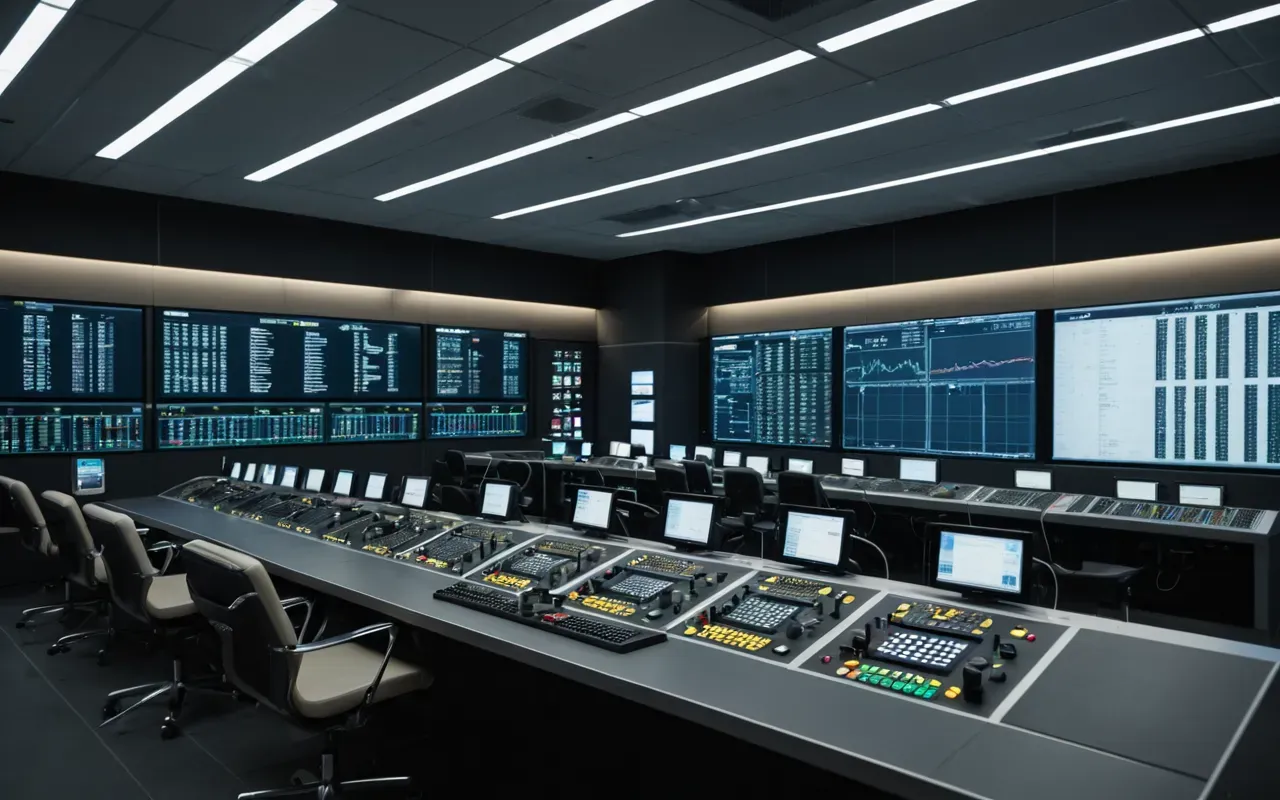
Our dry concrete batching plants use advanced feedback loops. These systems monitor real-time material flow.
The control software compares expected weights against actual measured values continuously. This catches drift early.
Real Time Feedback Loops in Action
Imagine a system that adjusts feeder speed on the fly. It reacts to changes in aggregate density instantly.
This is not a future technology. We use it today in our latest plant designs for clients worldwide.
The result is a mix that stays within tight tolerances. Even when raw material conditions change unexpectedly.
Why This Matters for Your Bottom Line
Consistency is not just a technical spec. It is the foundation of your business reputation.
Clients will return for reliability over price every single time. This is a fact in the construction industry.
By solving this silent fault, you protect your margins and your client relationships simultaneously.
Choosing the Right Partner for Your Plant
Not all batching plant manufacturers prioritize this level of precision. Some focus only on output volume.
You need a partner who understands the hidden costs of poor mix control. Look for proven track records.
We have documented cases where our systems reduced material waste by over fifteen percent. The data speaks for itself.
If you are considering a new plant or upgrading an existing one, this is where to start. Prioritize control systems.
What You Can Do Right Now on Your Site
You do not need to replace your entire plant today. Start with a detailed audit of your current setup.
Check the calibration records for all aggregate feeders. Look for any drift over the past six months.
Compare your actual cement usage against theoretical requirements. This will reveal if there is a hidden drift.
Talk to your operators about any subtle changes in mix behavior. They often notice things before the data shows it.
This is not about finding blame. It is about fixing a silent issue that costs you money every day.
If your plant is losing margin without an obvious reason, this could be the answer. Start investigating today.
The difference between a profitable operation and one that bleeds money is often in these small details. Do not ignore them.
Frequently Asked Questions
What causes mix ratio drift in dry batching plants?
Changes in aggregate density are the main cause. When material weight per unit volume shifts, volumetric feeders deliver inconsistent weights without alerting operators.
How much money can this error cost per month?
It depends on plant size and mix design. For a standard fifty batch daily operation, waste from three percent cement drift can exceed several thousand dollars monthly.
Can older plants be upgraded to fix this issue?
Yes. Adding real time feedback sensors and updated control software can significantly improve consistency without replacing the entire batching system.


Comments ()