The $50,000 mistake you are making with your concrete mix right now

The lab data is lying to you about your mix design
You trust the numbers. The slump test passed. Compressive strength hit target in the cube tests. On paper, everything looks flawless. But then you pour it out on site, and something goes sideways.
This is the silent killer in modern construction. It isn't bad cement. It isn't poor aggregate. It's the gap between controlled laboratory conditions and the chaotic reality of real-world job sites.
Chryso just published a detailed account of how their field service teams step into this exact scenario. Their data makes one thing clear: technical support is no longer optional for high-stakes infrastructure projects.
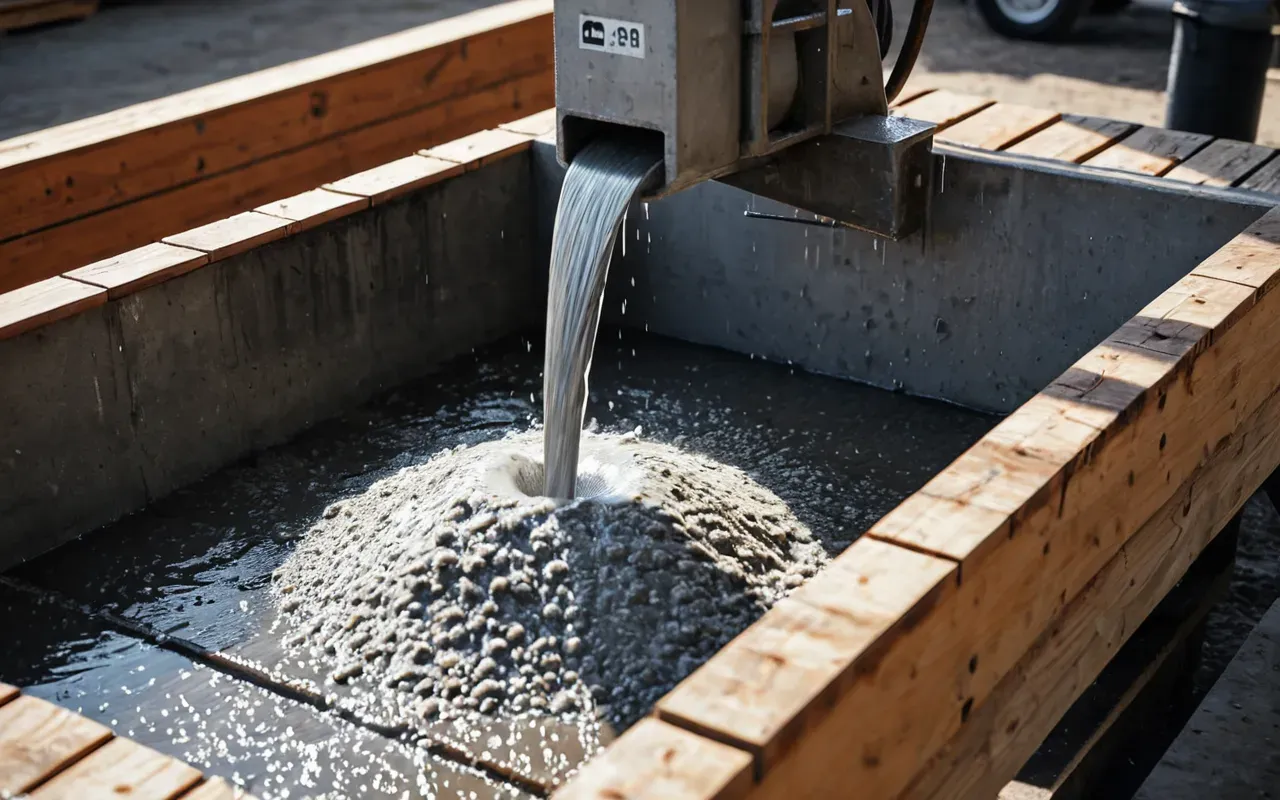
Why admixtures fail in the heat of production
Here's the thing. Admixtures are chemical compounds that behave differently depending on temperature, water quality, and even the chemistry of the cement itself.
A dosage that works perfectly in a cool lab can fail completely when the ambient temperature spikes to thirty-five degrees during a summer pour. The concrete loses workability too quickly. You're left with a truck full of unusable material.
Contractors often blame the supplier. But Chryso's team leader, Cornelius Julyan, points out that the issue is rarely the product itself. It's the application context.
When variables like aggregate properties shift slightly from one truckload to the next, static dosing settings become dangerous. That's where human expertise becomes critical.
The proactive approach that saves six figures in costs
Most companies call the chemical supplier when things break. That's reactive. Chryso's model flips the script entirely by engaging before problems even start.
Their specialists sit with project teams during the early stages. They adjust mix designs based on real-time site data rather than theoretical calculations.
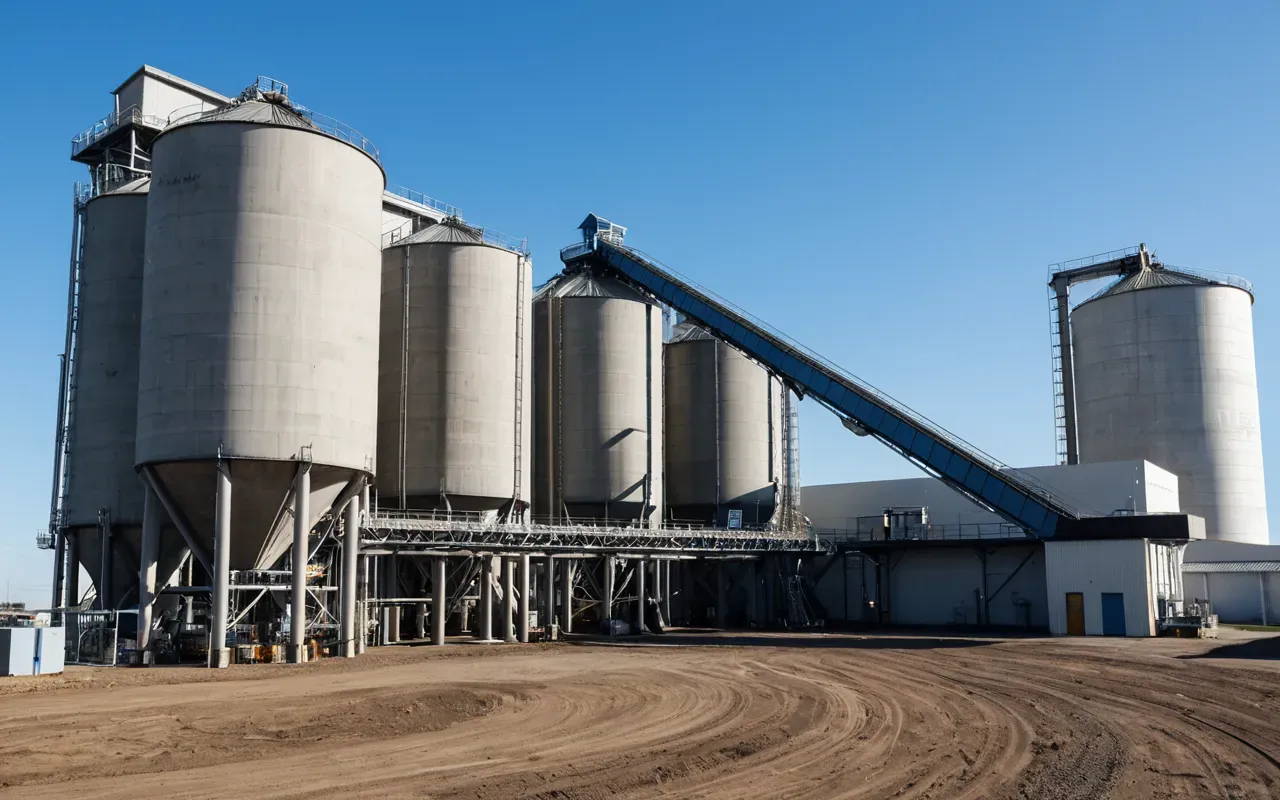
This prevents production interruptions. It reduces the risk of rejected concrete batches that would otherwise be dumped and replaced at massive expense.
I've seen projects lose weeks of schedule because a single day's worth of concrete failed to meet strength requirements. The cost of that delay far exceeds the price of technical support.
How rapid response teams change the game on site
When an issue does arise, speed matters. Chryso technicians investigate root causes immediately rather than waiting for lab results to come back days later.
They can recommend corrective measures on the spot. This keeps the pump running and the schedule intact. It's a huge differentiator for contractors under pressure.
The data collected during these interventions is also valuable. It helps optimize future pours and improves batching consistency over time.
The hidden cost of ignoring sustainability in mix design
Sustainability is no longer just a buzzword. It affects material efficiency and cost directly in high-volume concrete production.
Chryso's experts help reduce cement content without compromising strength. This lowers the carbon footprint and saves money on raw materials.

This approach supports broader environmental goals while maintaining the high performance required for infrastructure projects. It's a win-win scenario that many contractors overlook.
Why knowledge transfer is the real value proposition
One of the most underrated aspects of this service is training. Chryso works with batching plant personnel to strengthen their understanding of best practices.
This creates a more competent workforce. Operators who understand why they adjust parameters will make better decisions long after the specialist leaves.
If you're looking at ways to improve your own batching plant efficiency, consider how much better things could run with this level of support. Check out the invisible error that bleeds money from your concrete business to see where you might be losing value silently.
What this means for your next major infrastructure project
High-rise developments and industrial facilities leave no room for variability. The stakes are higher when the concrete must perform under strict engineering specifications.
Chryso's model suggests that technical partnership is becoming a standard expectation rather than a luxury. Contractors who ignore this trend will face higher risks.
The collaboration gives customers greater confidence. It reduces operational risk and contributes to better project outcomes overall.
We keep seeing the same pattern. Companies that invest in on-site expertise report fewer delays and higher quality finishes.
The shift from product sales to performance guarantees
This is a fundamental change in how construction chemicals are sold. It's no longer just about selling admixtures. It's about guaranteeing results.
By combining advanced technology with practical on-site expertise, companies like Chryso are helping ensure that engineered solutions perform reliably.
For contractors and concrete producers, this means less guesswork. You get the confidence to deliver projects successfully even under difficult conditions.
If you're still relying solely on lab data without field support, you might be leaving money on the table. Learn more about why your batching plant manufacturer matters more than the machine to understand the full picture of operational reliability.
The bottom line for anyone managing concrete operations today
Technical field service is not an after-sales function. It's a strategic extension of commitment to quality and safety in construction.
As projects become more complex, the need for this kind of support will only grow. Ignoring it is a risk that most budgets cannot afford to take.
The data is clear. On-site expertise drives better concrete performance and reduces costs in the long run.
So ask yourself. Are you letting your concrete mix design fail because of a lack of human insight on site?
The answer might save you more than just a few dollars. It could save your entire project schedule.
Remember that successful concrete construction is built on partnership. It requires sharing technical knowledge and optimizing performance continuously.
If you want to stay ahead of the curve, look at how others are integrating field service into their core operations. It's no longer optional for serious infrastructure work.
Consider how new concrete plants are shifting global batching efficiency and what that means for your competitive edge in the market right now.


Comments ()