The $82 Billion Lie Your Concrete Batching Plant Is Telling You
The $ Billion Blind Spot Hitting Your Supply Chain
Look at the numbers. The global green cement market is projected to hit USD . billion by . That is a massive jump from the current valuation of around USD billion in .
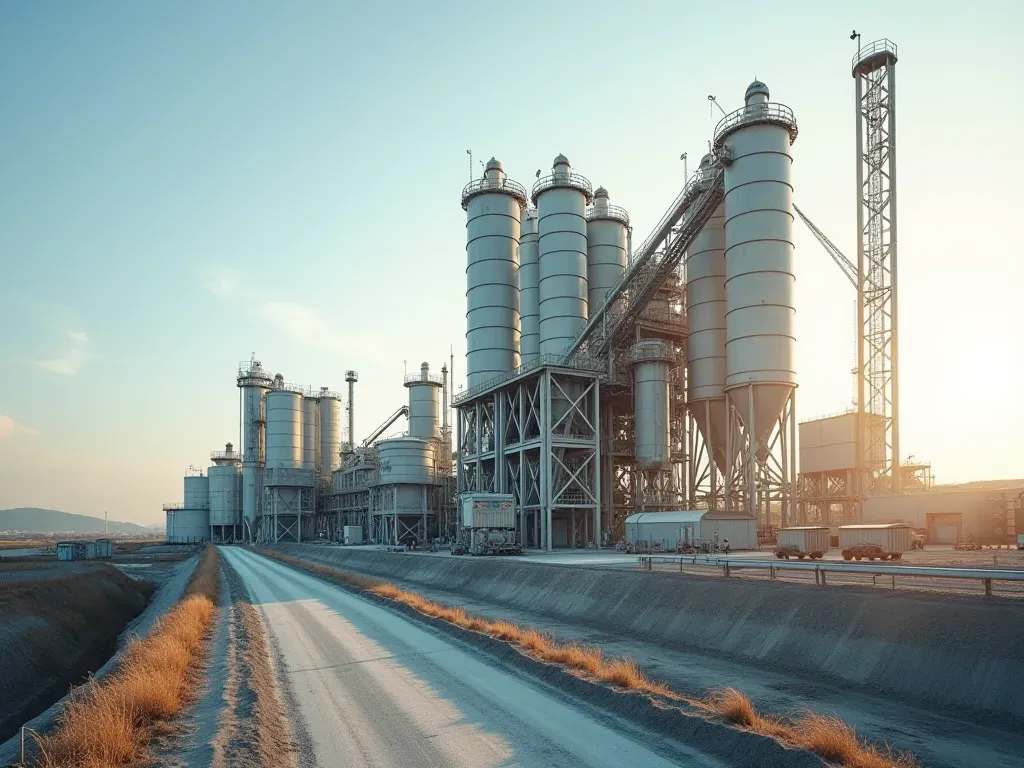
But here is the part nobody talks about on the factory floor. Most concrete batching plants were designed for Portland cement. They are not built to handle the unique properties of low-carbon alternatives.
I have seen operators lose thousands on a single batch because their equipment cannot adjust to the different mixing times required for green formulations. It is not just a material change.
Why Fly Ash Is Dominating But Breaking Machines
Fly ash accounts for roughly % of the green cement market in . It is cheap and abundant as an industrial by-product from coal plants. That sounds perfect on paper, right?
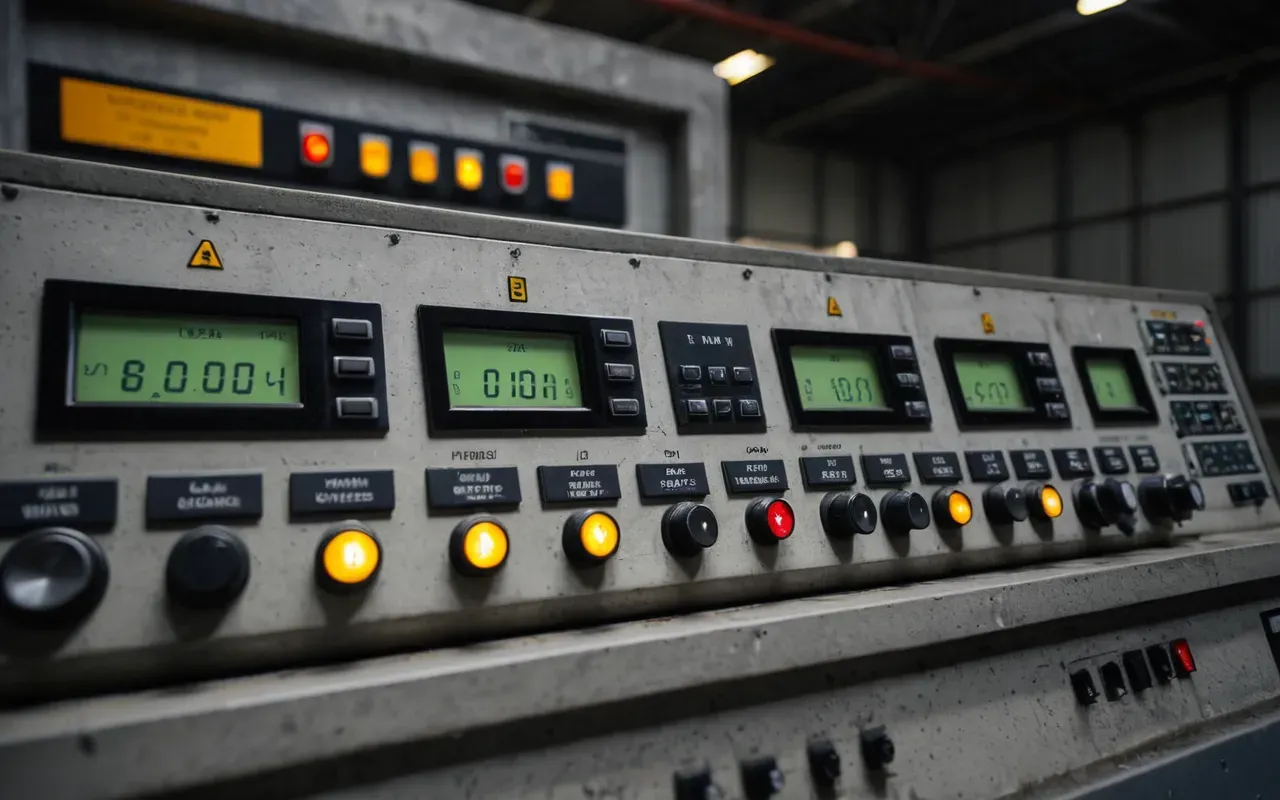
Wrong. Fly ash-based cement often requires different hydration profiles and longer curing times. If your batching plant sensors are calibrated for standard clinker mixtures, you are likely over-mixing or under-dosing water.
This leads to inconsistent quality. Customers start rejecting loads because the workability is off. You think you are saving money on raw materials, but you are bleeding cash on rejections and waste.
The Hidden Cost of Ignoring Sustainable Shifts
Governments are tightening regulations. The Americas alone hold over % of the market share because their policies force compliance with green building standards. You cannot ignore this trend if you want to stay in business.
If your plant cannot handle geopolymer or carbon-sequestered cement, you are locking yourself out of high-value contracts. Developers want low-carbon materials to meet their own climate targets.
We keep seeing companies lose bids because they cannot guarantee sustainable output. It is not about being eco-friendly anymore. It is a pure economic survival strategy for any serious construction operator.
How to Future-Proof Your Batching Plant Setup
You need flexible mixing systems. Traditional rigid setups are becoming liabilities. The industry is moving toward modular designs that can swap components easily for different cement types.
Consider upgrading your sensors. Standard load cells might miss the subtle weight differences in green mixes. Precision matters when you are dealing with expensive alternative raw materials.
The Technology Gap You Need to Bridge Now
Companies like Fortera are securing millions for carbon capture tech. They are changing the game by integrating new systems into existing plants. You should be looking at similar bolt-on solutions.
Do not wait for a full replacement. Start with targeted upgrades that allow your current equipment to process fly ash and slag more effectively. This is how you stay competitive without breaking the bank.
The Real Winners in the Green Cement Race
Who is winning this shift? Not necessarily the biggest manufacturers. It is the agile operators who adapt their plants quickly. They are capturing new contracts while competitors struggle with legacy systems.
Look at SCG in Thailand. They launched Generation cement that cuts emissions by nearly %. Their production lines were adjusted to handle this new mix without stopping operations entirely.
That is the model. Continuous adaptation rather than total overhaul. If you are stuck in a rigid setup, you are losing ground every day to more flexible competitors.
Action Steps for Immediate Plant Adjustment
First audit your current mixing times. Compare them against the requirements for fly ash blends. You might find significant discrepancies that affect final product strength.
Next check your dust collection systems. Green cement production can create different particulate patterns. Ensuring compliance here saves you from costly fines and shutdowns.
Finally engage with suppliers of alternative raw materials. Ask them for specific technical data sheets on how their products interact with your existing plant hardware.
Avoiding the $, Mistake in Your Mix Design
Many operators assume green cement works exactly like Portland. That assumption costs them thousands in wasted material and failed tests. Do not make that mistake.
If you are curious about the specific errors that bleed money from your concrete business, take a closer look at how small deviations add up quickly.
The Future Is Not Optional For Concrete Plants
By the market will be undeniably green. The question is not if you should adapt, but how fast you can do it without disrupting your daily output.
Every day you wait is a lost opportunity. The technology exists. The demand is real. Your plant just needs to catch up with the rest of the industry.
Do not let outdated hardware hold you back. The green cement boom is here to stay, and only the adaptable plants will thrive in this new era of construction.
Conclusion On The Green Cement Opportunity
The shift to sustainable materials is not a trend. It is the new baseline for global construction. Ignoring it means falling behind in both cost efficiency and market relevance.
Your concrete batching plant is the heart of your operation. Make sure it can handle the future without breaking down in the present.
Start small. Make one change today that moves you toward greater flexibility and sustainability. That single step will save you significant pain later.
Comments ()