The Indian factory quietly breaking Europe's concrete monopoly
The $ Billion Question Hiding in a Factory Floor
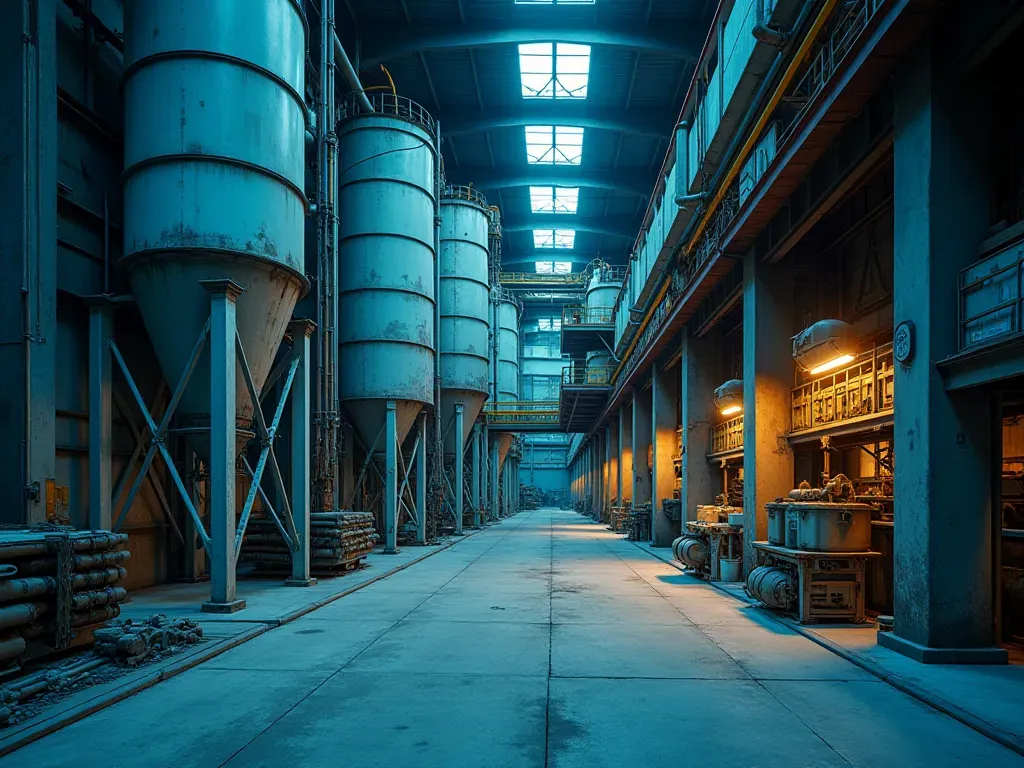
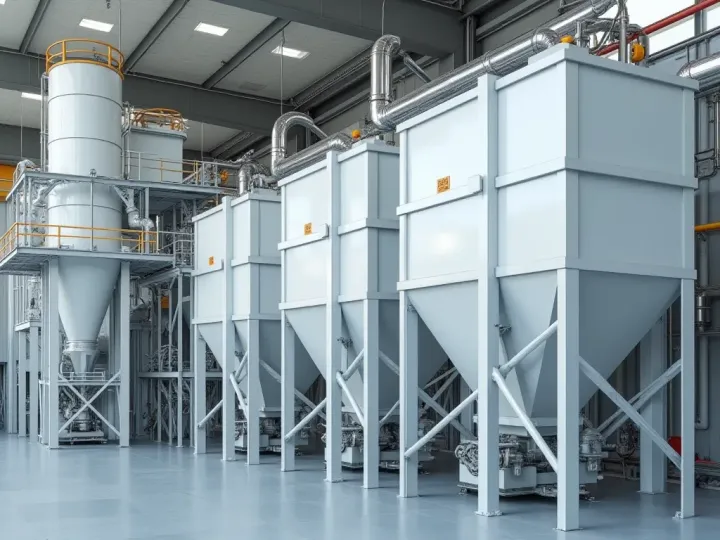
Take the SB . A single belt conveyor batching plant. Sounds simple, right? But it reshapes how we think about material flow in heavy construction.
I've sat through plenty of machinery demos. Most are just louder versions of the same old designs. This one's different. It strips away the complexity and reveals a cleaner logic underneath.
The real story isn't the machine. It's who builds it, and where they send it. That detail changes everything for global suppliers.
Why the Location Matters More Than the Brand
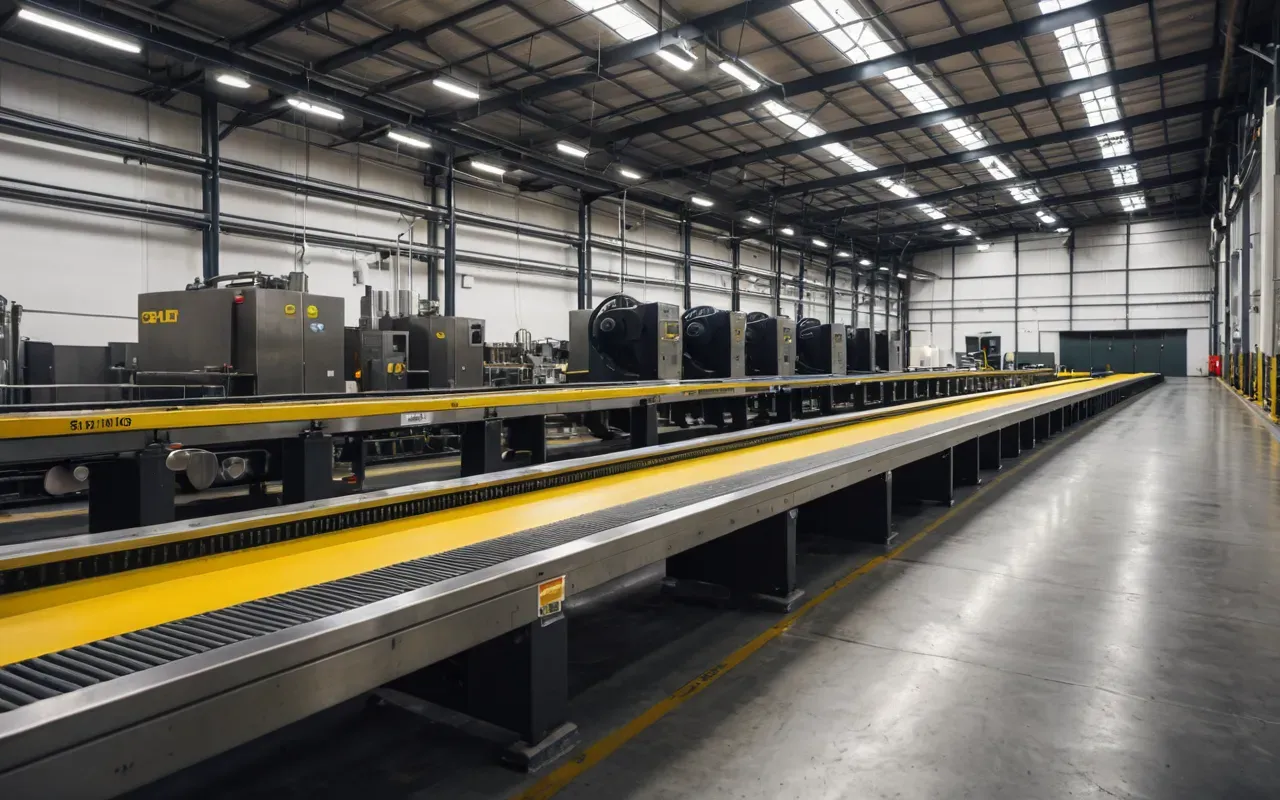
Most people assume German engineering means German factories. Not anymore. The Cheyyar facility in Tamil Nadu is now designing products for the US and Europe.
This flips the script on global supply chains. We used to import finished goods. Now we're exporting intellectual property and engineering standards.
Subtle shift. But for competitors leaning on the traditional hubs in Central Europe, the margin of safety just shrank significantly.
The Electric Mixer That Breaks the Price Barrier
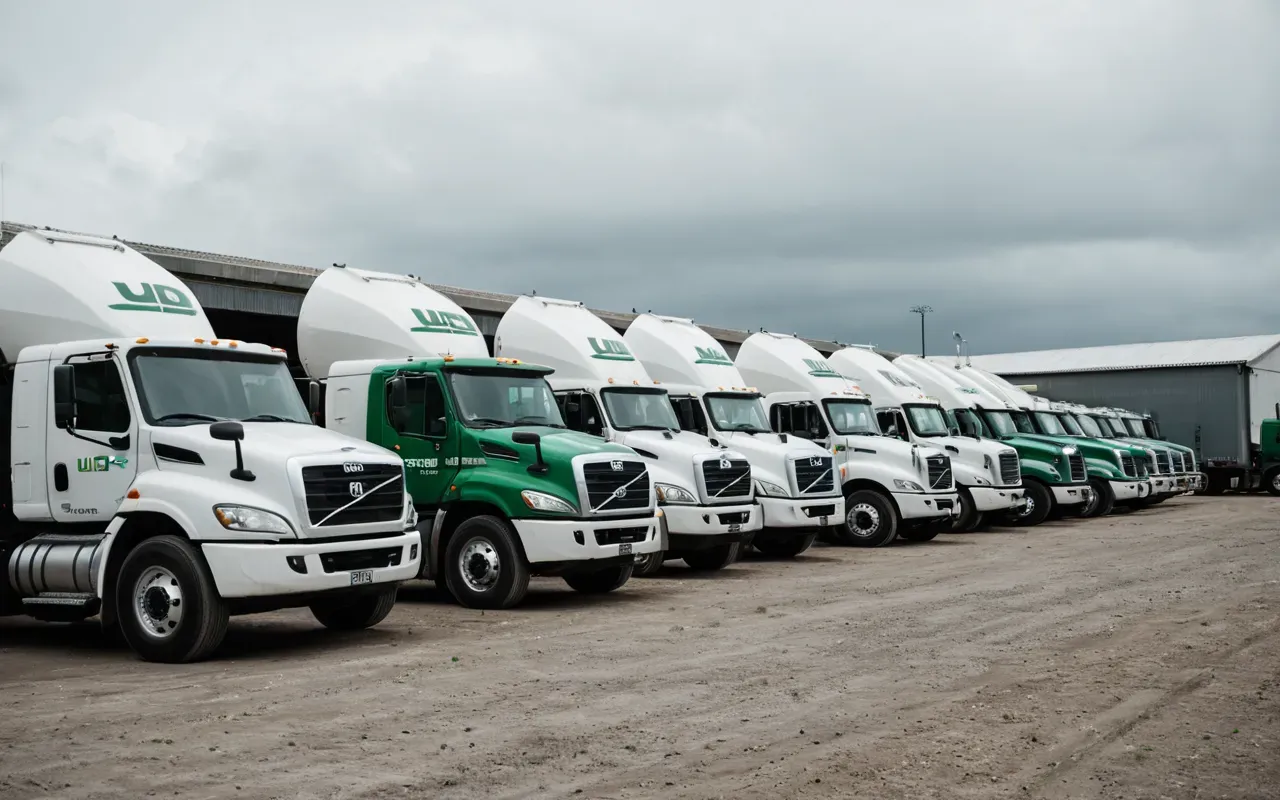
The AM EV Electric Truck Mixer isn't just a green choice. It's an economic one. Operating costs drop dramatically when you switch from diesel to battery power.
The CNG option struck me too. The AM CNG Truck Mixer offers a bridge for regions where charging infrastructure is still patchy or expensive to build.
That dual approach solves a real pain point. Fleet managers can transition gradually without sacrificing uptime or range during peak construction seasons.
AI Is Not a Buzzword Here. It Is the Core.
The camera-assisted cleaning system is a small detail with huge implications. It cuts manual labor and raises hygiene standards in batching plants.
But the AI goes deeper. Intelligent control systems monitor every variable in real time. Fewer errors, better consistency in concrete output.
We keep hearing these tech claims dismissed as marketing fluff. Here, it's operational reality. The data feeds back into production decisions instantly.
The Hidden Cost of Manual Intervention
Manual cleaning is dangerous. Slips, chemical exposure, physical strain — daily risks for workers maintaining heavy machinery.
Automating that task pulls humans out of hazardous zones. It also means cleaning actually happens, consistently, across every shift and operator.
This is where the ROI becomes undeniable. You're not just saving time. You're cutting liability and improving plant hygiene standards overall.
Who Wins When the Supply Chain Shortens?
The Jamshedpur factory expansion is a strategic move. It puts production closer to key industrial hubs in eastern regions of the subcontinent.
Lower logistics costs, shorter delivery times. For developers building large infrastructure projects, speed is often the deciding factor in bidding.
Competitors who rely on long-distance shipping will struggle to match that agility. The local advantage is turning into a dominant force in the market.
The Real Stakeholder in This Story
And it's not just the manufacturer. It's the end-user building bridges and skyscrapers. They need reliable equipment that performs under extreme conditions.
VG Sakthikumar's comments highlight a shift in priorities. Customers now demand lower energy consumption and higher safety metrics above all else.
That changes the sales pitch. No longer just horsepower or capacity. It's about total lifecycle cost and operational safety records.
A Shift from Power to Precision
Old equipment was about brute force. New systems are about precision. The DMM H Dry Mix Mortar Plant exemplifies this focused engineering approach.
It produces consistent mixes with minimal waste. That precision matters for high-rise construction, where material tolerance margins are incredibly tight.
For operators, that means fewer callbacks and less material waste. The financial savings add up fast over the life of a major construction project.
The Global Ripple Effect of Local Innovation
When a subsidiary in India starts designing for Europe, the whole industry takes notice. It signals that cost-efficiency and quality can coexist globally.
This forces traditional manufacturers to rethink their R&D budgets. They can no longer lean on geographic advantages alone to hold market share.
The result is a more competitive global market. Prices may stabilize or drop as efficiency improves across all major manufacturing hubs.
What This Means for Your Next Project
If you're sourcing equipment now, look beyond the brand name. Evaluate the technology stack and where the engineering design actually comes from.
The best deals often come from manufacturers who have optimized their production chains through local innovation and global standards.
Ask about the software updates. Ask about the energy consumption data. Those metrics tell you more than any brochure ever could.
The Unspoken Advantage of Vertical Integration
SCHWING Stetter India controls the entire value chain. From design to final assembly, they manage every step of the production process.
That reduces dependency on third-party suppliers. It also allows for faster iteration cycles when customer feedback demands new features or fixes.
In an industry where delays cost millions, this agility is a massive competitive edge. Problems get solved before they become crises.
The Future Is Built by Those Who Adapt Fastest
The landscape is shifting rapidly. Companies clinging to outdated models will find themselves losing ground to agile competitors.
Adoption of AI and electric power is no longer optional. It's becoming the baseline expectation for serious infrastructure developers.
The companies that embrace this change early will define the next decade of global building. The rest will be catching up.
A Call to Action for Industry Leaders
Review your current equipment portfolio. Are you using technology that's ten years old? If so, the cost of inaction is mounting daily.
Explore options that offer integrated AI and electric power. The savings in energy and labor will pay for the upgrade within a few years.
The future isn't coming. It's already here on the factory floor in Tamil Nadu. The question is whether you're ready to compete with it.
The Bottom Line for Your Business Strategy
Innovation is no longer a differentiator. It's the entry ticket to doing business at scale in major infrastructure markets.
The examples from SCHWING Stetter India prove that local talent can drive global standards. This changes the power dynamics in procurement.
Stay informed. Stay agile. And never underestimate the value of a well-engineered machine built by a team that knows exactly what they're doing.
Final Thoughts on the Changing Landscape
The story of this exhibition isn't just about products. It's about a shift in how we perceive capability and cost efficiency.
As the industry moves forward, those who adapt will thrive. Those who don't risk being left behind by a new generation of builders.
The concrete is being poured today. The question remains whether your strategy is solid enough to hold up under the weight of this change.
Comments ()