Installation Guide for Mobile Dry Batching Units
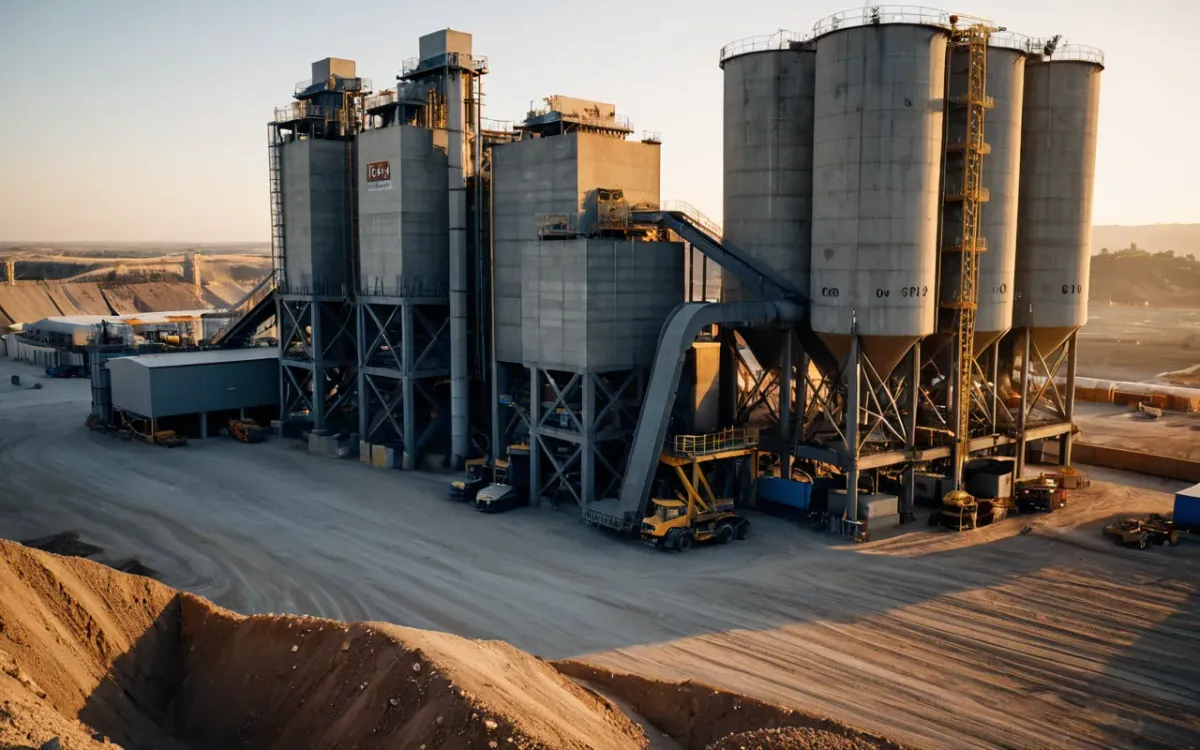
Installation Guide for Mobile Dry Batching Units
You type a simple question into the search bar. You want to know exactly what the word means. You get a two-line answer about erecting structures or buildings. But that answer misses the gritty, loud, expensive truth of the industry. I have walked through plenty of empty concrete silos. I have watched trucks line up for hours in the rain. The real meaning of this work has nothing to do with blueprints. It is entirely about moving heavy matter from one place to another without breaking the bank.
Look, when you are standing in the mud at a remote site, the abstract concept of construction vanishes. You are left with logistics. You are left with timing. You are left with the urgent, ticking clock of setting concrete before it hardens in the truck. If you are searching for a simple answer, you won't find it in a glossary. You will find it in the hum of a generator and the rhythmic chugging of a mixer drum. That is the heartbeat of the job.
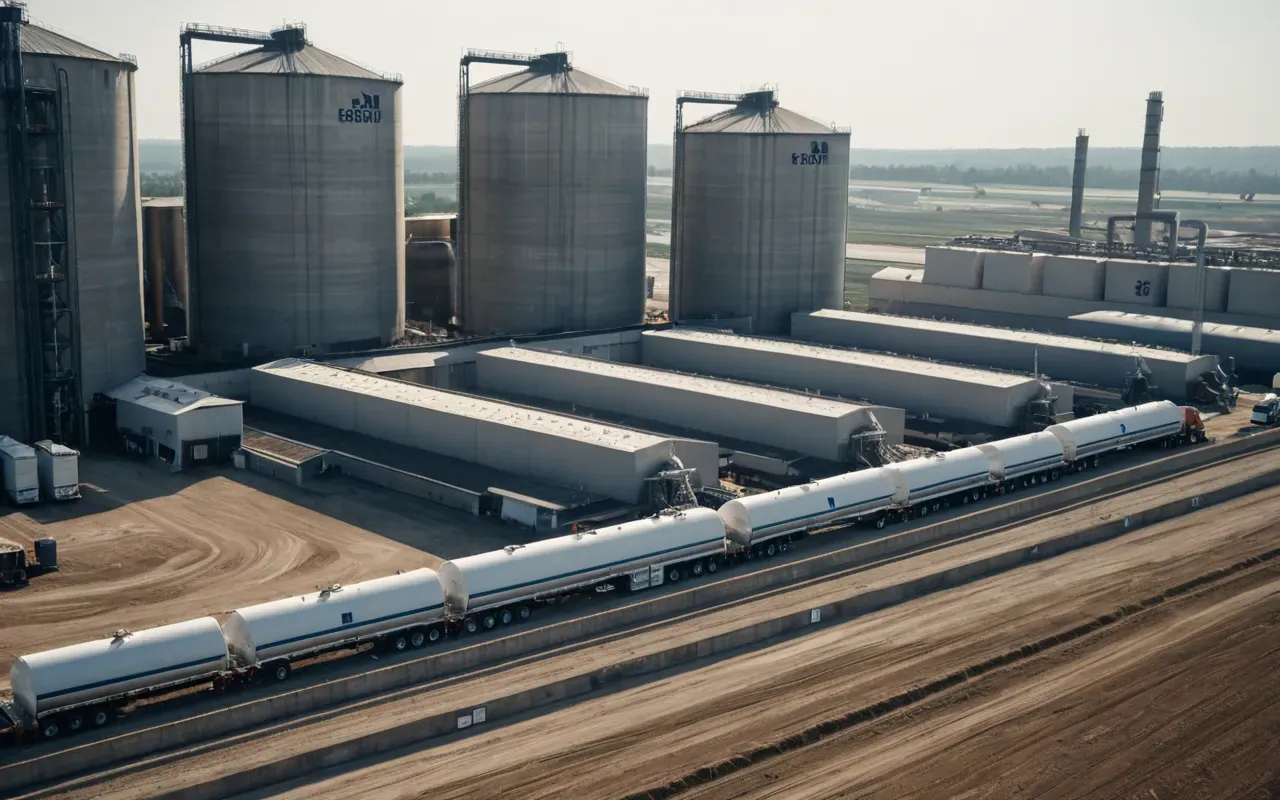
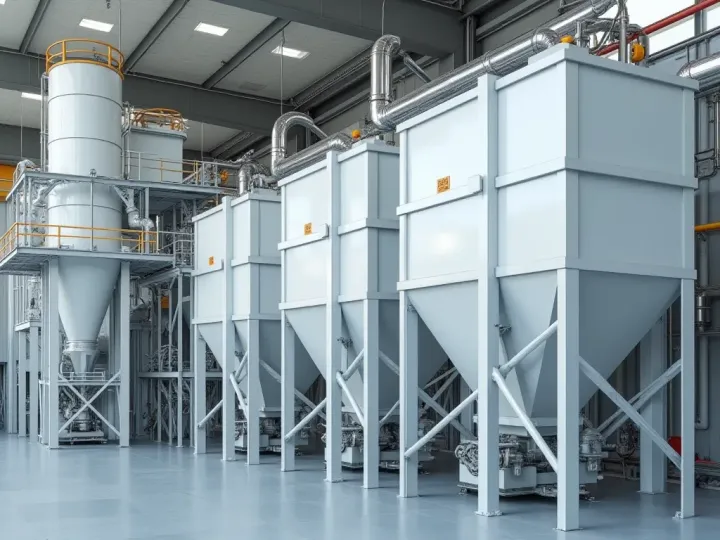
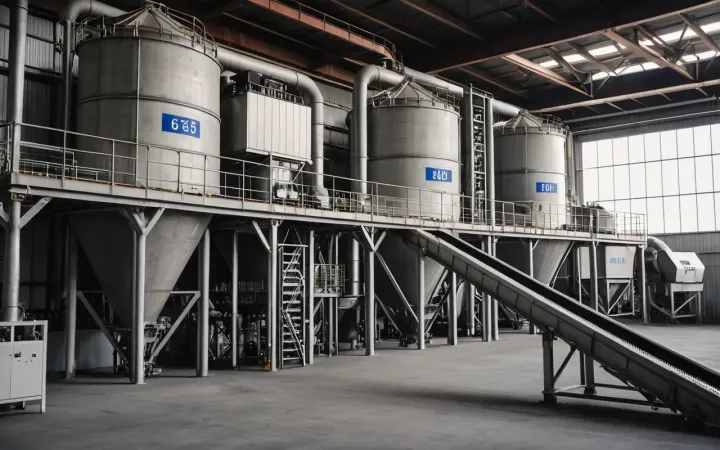
We manufacture dry concrete batching plants for projects all over the globe. I see the same pattern everywhere. The people who understand the job are the ones who obsess over the plant design. They know that a bad layout will bleed money every single day. A narrow conveyor belt causes a bottleneck. A poorly placed silo forces the mixer to idle. Those small design choices compound into massive delays. It is not just about pouring cement. It is about engineering the flow of raw materials with surgical precision.
Why the Batching Plant Is the Unsung Hero of Modern Infrastructure
Most people glance at a skyscraper and admire the glass facade. They do not think about the mountain of concrete poured to hold it up. That concrete does not appear by magic. It is manufactured. And the factory that manufactures it is the batching plant. To me, the plant is the true engine of the industry. If that engine sputters, the entire site grinds to a halt. Workers stand around. Cranes hang idle. Costs skyrocket.
I have seen projects lose millions because someone picked the wrong plant design. They chose a compact layout to save space. They did not realize the compact layout would choke the aggregate flow during peak hours. The mixer trucks would wait twenty minutes for every batch. Multiply that by a hundred trucks a day. You bleed time. You bleed fuel. You bleed profit. The design of the plant dictates the rhythm of the entire construction site. It sets the pace for everything that follows.
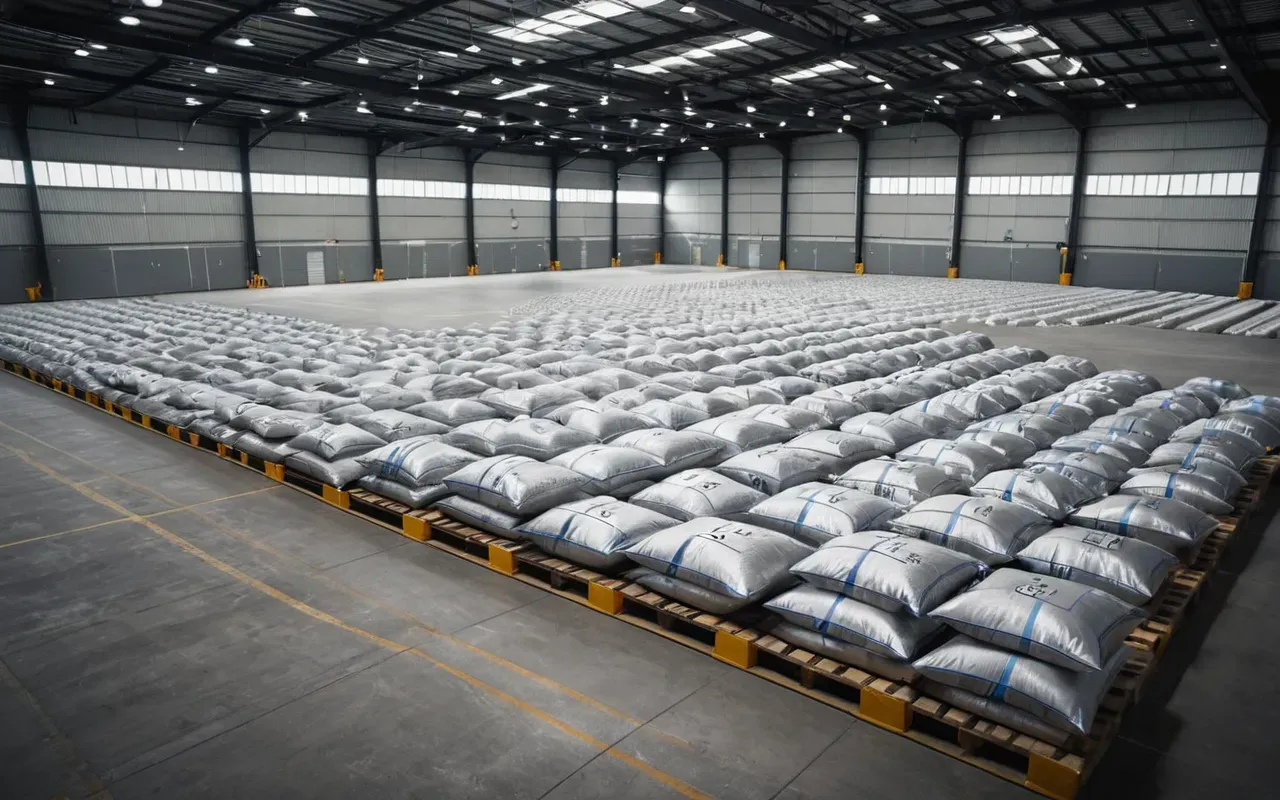
There is a hidden complexity in dry batching that most outsiders miss. In a dry batch system, the materials are mixed in the truck drum during transit. The plant itself only handles the precise weighing and loading of raw ingredients. This requires an incredibly robust scale system. If the scales are off by even a tiny fraction, the concrete strength fails. The whole structure could be compromised. We build our plants with redundant calibration systems for this exact reason. Precision is not a luxury. It is a survival mechanism.
The Silent Cost of Poor Layout Planning
You might think the biggest expense is the steel or the cement. It is not. The biggest expense is wasted time. When a plant is laid out poorly, the conveyor belts have to work too hard. The aggregate bins are too far from the mixer. The trucks have to circle back through narrow gates. Every second of idle time adds up. I have calculated these costs for clients in high-heat regions. The difference between a good layout and a bad one can be tens of thousands of dollars per month in operational overhead.
And let us be honest about the weather. In places with extreme summer heat, the concrete sets faster. You need to move faster. A sluggish plant design cannot keep up. The trucks will return with hardened sludge. That is total waste. It has to be dumped. It cannot be reused. We see this happen constantly on sites that skimped on the initial engineering phase. They saved money on the blueprint and lost a fortune in the mud. It is a brutal lesson in the real meaning of construction management.
Dry Versus Wet: The Great Debate on Job Sites
This is where the industry gets divided. Some swear by wet batching. Others insist on dry. I lean heavily toward dry systems for remote or large-scale projects. Why? Because you shift the mixing burden to the road. The plant becomes simpler. It requires less water infrastructure. It is easier to clean. The trucks do the heavy lifting of homogenizing the mix. This flexibility is crucial when you are building across vast distances. You do not want to haul gallons of water to a remote site just to mix concrete.
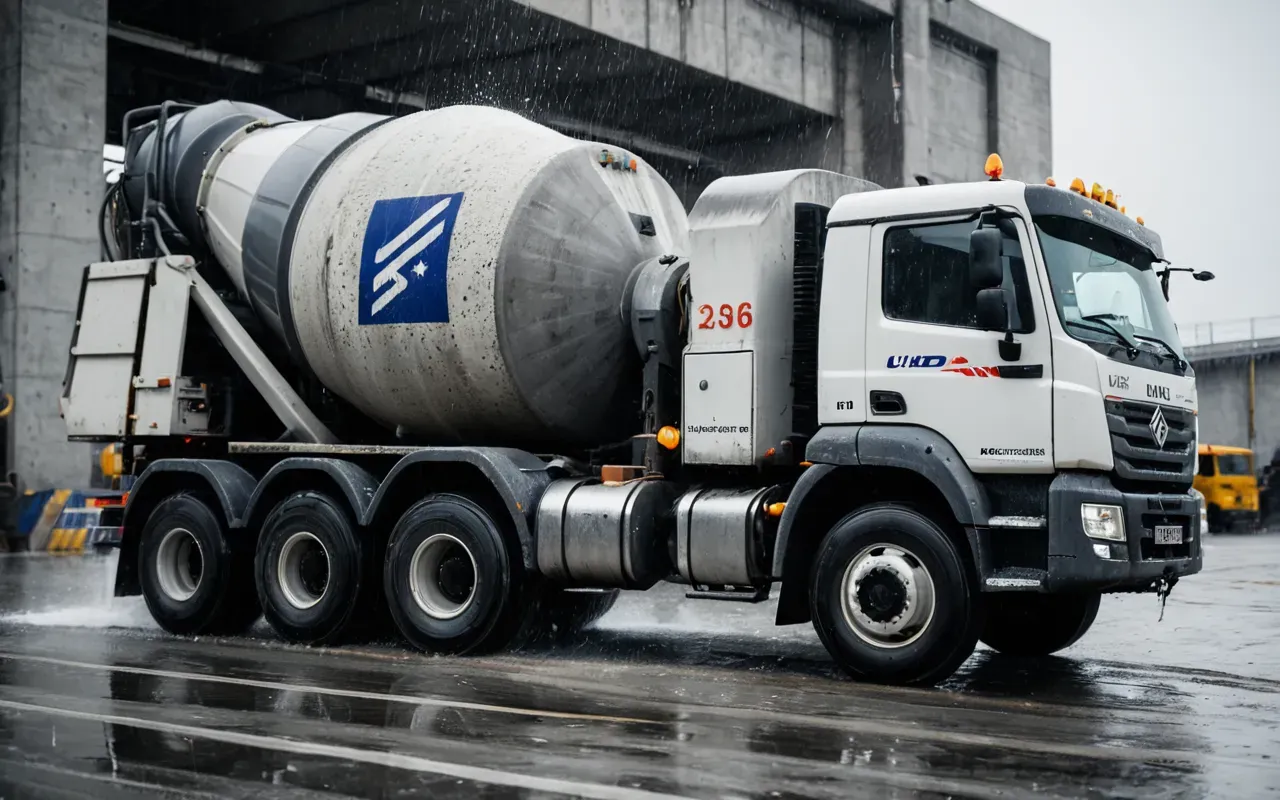
But dry batching is not magic. It requires disciplined drivers. The truck operator must maintain a steady speed. They must agitate the drum at the exact right interval. If they stop too long, the mix separates. If they drive too fast, it sloshes and loses its air entrainment. This is a human factor that many people ignore. The technology is solid. The plant is solid. But the final product depends on the skill of the person behind the wheel. That is a vital part of the construction ecosystem.
How Automation Is Changing the Rules of the Game
We are seeing a massive shift toward smart control rooms. The days of a guy with a clipboard and a calculator are fading. Now, sensors monitor every gram of cement added. The system automatically adjusts for moisture content in the sand. It learns from every single batch. This data is gold. It allows us to predict maintenance needs before a belt snaps. It allows us to optimize fuel usage for the generators. If you are not leveraging this data, you are flying blind. The industry is moving fast toward total digital integration.
I remember a project in a desert environment where the sand moisture fluctuated wildly. A manual operator would have struggled to adjust the water ratio quickly enough. The automated system corrected it in milliseconds. The concrete quality remained perfectly consistent. The structural integrity held up. That is the real value of modern plant design. It removes human error from the equation. It ensures that the building standing five years from now is as strong as the day it was poured. Consistency is the ultimate goal.
The Hidden Power of Custom Plant Configurations
Every site is unique. A standard off-the-shelf plant rarely fits perfectly. The terrain might be uneven. The space might be tight. The local aggregate might be unusually coarse or fine. We customize our plants to handle these specific local constraints. It is not just about tweaking a few dimensions. It is about rethinking the entire flow. We might angle the conveyor belts differently. We might change the hopper size. We might install extra dust suppression units. This level of customization is what separates a good contractor from a great one.
Think about the environmental regulations in different regions. Some areas have strict limits on dust emissions. Others have strict limits on noise pollution. A custom plant can be designed to meet those exact local codes. It can include advanced filtration systems. It can operate quietly at night. This adaptability is crucial for maintaining good relations with local communities. Construction is a social endeavor as much as an engineering one. You need the blessing of the neighbors to keep working. A noisy, dusty plant will get shut down. Period.

I have worked with clients who wanted to maximize output in a tiny footprint. We designed a vertical plant that stacked the silos high and minimized the ground area. It looked like a sleek tower. It produced massive volumes. It solved their space constraint elegantly. This kind of engineering creativity is what makes the industry exciting. It is not just about brute force. It is about solving puzzles. It is about finding the most efficient way to turn rocks and dust into a solid foundation. That is the art of the job.
What the Future Holds for Concrete Production
The next wave is green concrete. We are all under pressure to reduce carbon emissions. Cement production is a massive source of global CO2. We are integrating alternative fuels into our plant designs. We are exploring ways to use recycled aggregates. We are designing systems that capture and reuse water. This is not just a trend. It is a necessity. The regulations are tightening. The costs of carbon are rising. Plants that cannot adapt to this green shift will become obsolete. The definition of construction is expanding to include sustainability.
So when you ask what construction means, do not look for a simple definition. Look at the complexity. Look at the logistics. Look at the technology. It is a massive, interconnected machine. It requires precision, foresight, and adaptability. The dry concrete batching plant is the heart of that machine. It pumps the lifeblood of the project into every foundation, every wall, every bridge. If you respect the plant, you respect the job. And that is the only way to build something that truly lasts.
Frequently Asked Questions
What is the main difference between dry and wet concrete batching?
The main difference lies in where the mixing happens. In wet batching, the plant mixes all ingredients, including water, before loading the truck. The truck simply transports the finished concrete. In dry batching, the plant loads only the dry ingredients into the truck. The truck mixer then adds water and mixes the concrete during transit. Dry batching offers more flexibility for longer transport distances and reduces water handling at the plant site.
Why is plant layout design so critical for project profitability?
Plant layout dictates the speed and efficiency of material flow. A poorly designed layout creates bottlenecks, causing mixer trucks to idle and wait. This idle time wastes fuel and reduces the number of deliveries per day. Over the course of a large project, these small delays compound into massive operational costs. An optimized layout ensures a smooth, continuous flow, maximizing output and minimizing wasted labor and machine hours.
Can a dry batching plant be customized for tight spaces?
Yes, modern dry batching plants are highly customizable. Manufacturers can design vertical configurations that stack components upward to minimize the ground footprint. They can adjust conveyor lengths, hopper sizes, and silo placements to fit specific site constraints. This adaptability allows contractors to operate efficiently even in urban environments or remote sites with limited available space, ensuring production continues without requiring a massive land area.
How does automation improve concrete quality control?
Automation removes human error from the mixing process. Advanced sensors continuously monitor the weight and moisture of each ingredient. The system automatically adjusts water and cement ratios in real-time to maintain exact specifications. This ensures every batch has consistent strength and durability. It also generates detailed data logs for every delivery, providing traceability and proof of compliance with engineering standards.
What role do environmental regulations play in plant design?
Environmental regulations heavily influence plant design, particularly regarding dust and noise. Modern plants incorporate advanced dust suppression systems, enclosed conveyors, and filtration units to meet strict air quality standards. Noise barriers and quiet motor options are often integrated to comply with local noise ordinances. Ignoring these regulations can lead to project shutdowns, fines, and community conflicts, making compliance a critical part of the initial engineering phase.
For the full overview, see batching plants in Turkey.
Related in this series: dry mix concrete benefits, dry batch plant components.
Comments ()