Why the Concrete Plant Fight in Archer Is Actually a Warning for Every Manufacturer on Earth
The Seven-Hour Meeting That Changed Everything
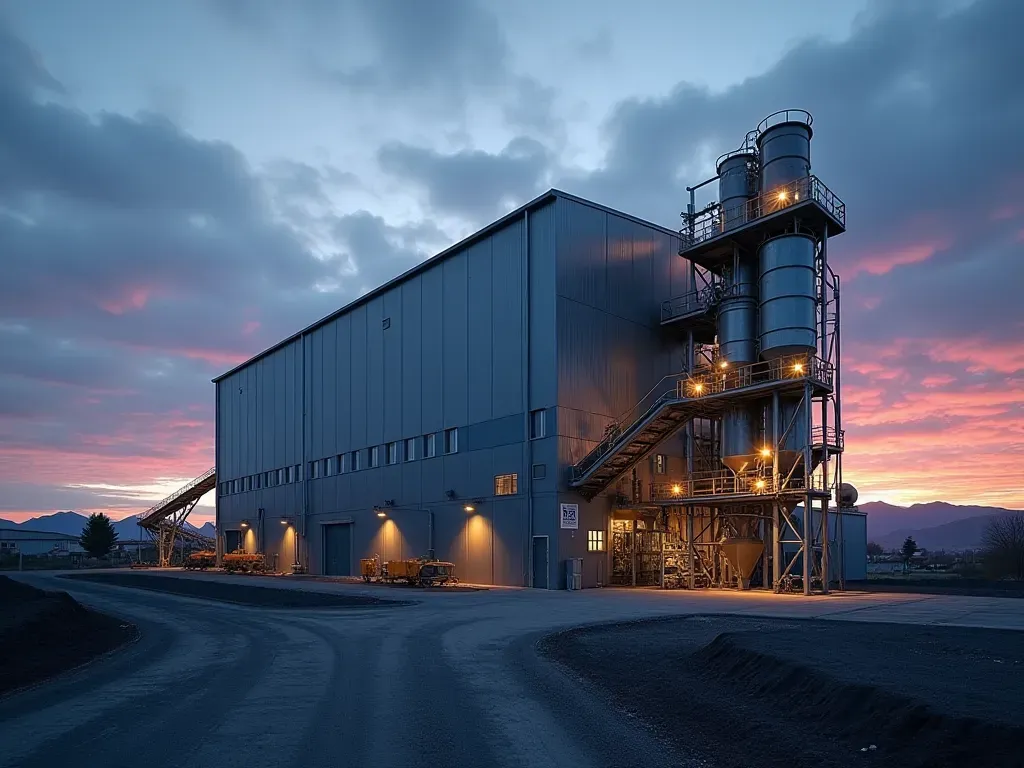
It ended at : a.m. on Tuesday morning. Ronald Arnold walked to the lectern in Archer, Florida, and withdrew his application for a concrete mixing plant. No vote was taken. The commissioners were spared the headache of choosing sides.
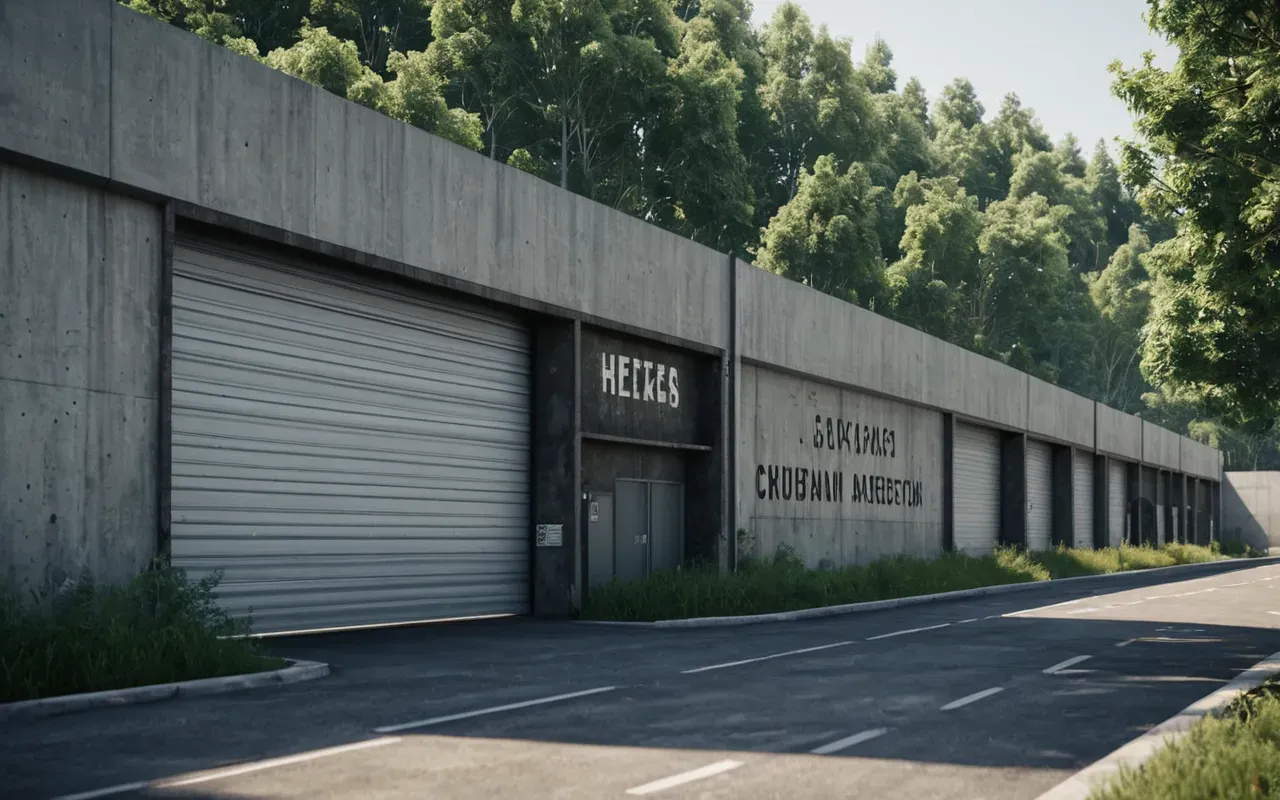
But here is the part most people missed. This wasn't a victory for the neighbors who packed the room with yard signs and angry faces. It was a retreat. Arnold said his engineers would return with a new plan to enclose the entire facility inside a building.
I have followed concrete industry news for years. This specific move signals a massive shift in how we view plant design globally. The era of open-air mixing is facing serious backlash from communities who are no longer willing to accept dust and noise as the price of development.
If you manufacture or operate these systems, this is a warning shot. The regulatory environment is tightening in ways that go beyond simple zoning boards. Look at the hidden flaw every modern concrete plant has and you will see why enclosure isn't just a preference anymore, it is becoming a survival requirement.
Why Open-Air Plants Are Now a Liability
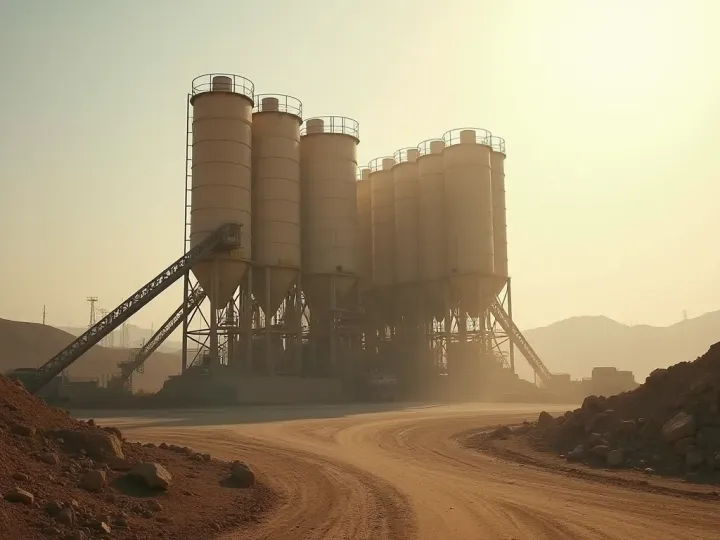
For decades, the standard was simple. Build an open yard for aggregates and mix on site. It saved money upfront. But that model is cracking under pressure from residents who live within five miles of these sites.
In Archer, December McSherry worried about her garden crops being contaminated by particulate matter. Rhonda Roberson spoke from personal experience of respiratory infections working at a plant in Tampa for eighteen years. These aren't abstract concerns; they are health realities.
When a community organizes this effectively, the political cost of approval becomes too high for any business. I have seen this pattern repeat in various regions recently. The solution is no longer just better filters; it is total physical containment.
The Economic Reality of Enclosure
Arnold's team initially called the opposition fearmongering. They argued their plant would meet all requirements and cause no adverse effects. But they overlooked a crucial variable: perception often outweighs actual pollution levels in these debates.
Enclosing a plant increases initial construction costs. You need larger foundations for the walls and roof. You need ventilation systems to manage heat inside the building. Yet, as we discussed regarding why most concrete batching plant prices are wrong, these upfront costs can be offset by faster permitting and reduced long-term liability risks.
Think about it. If you can get a permit in three months instead of fighting for two years, the time savings alone are worth millions. Speed is currency in construction.
Global Implications for Dry Batching Technology
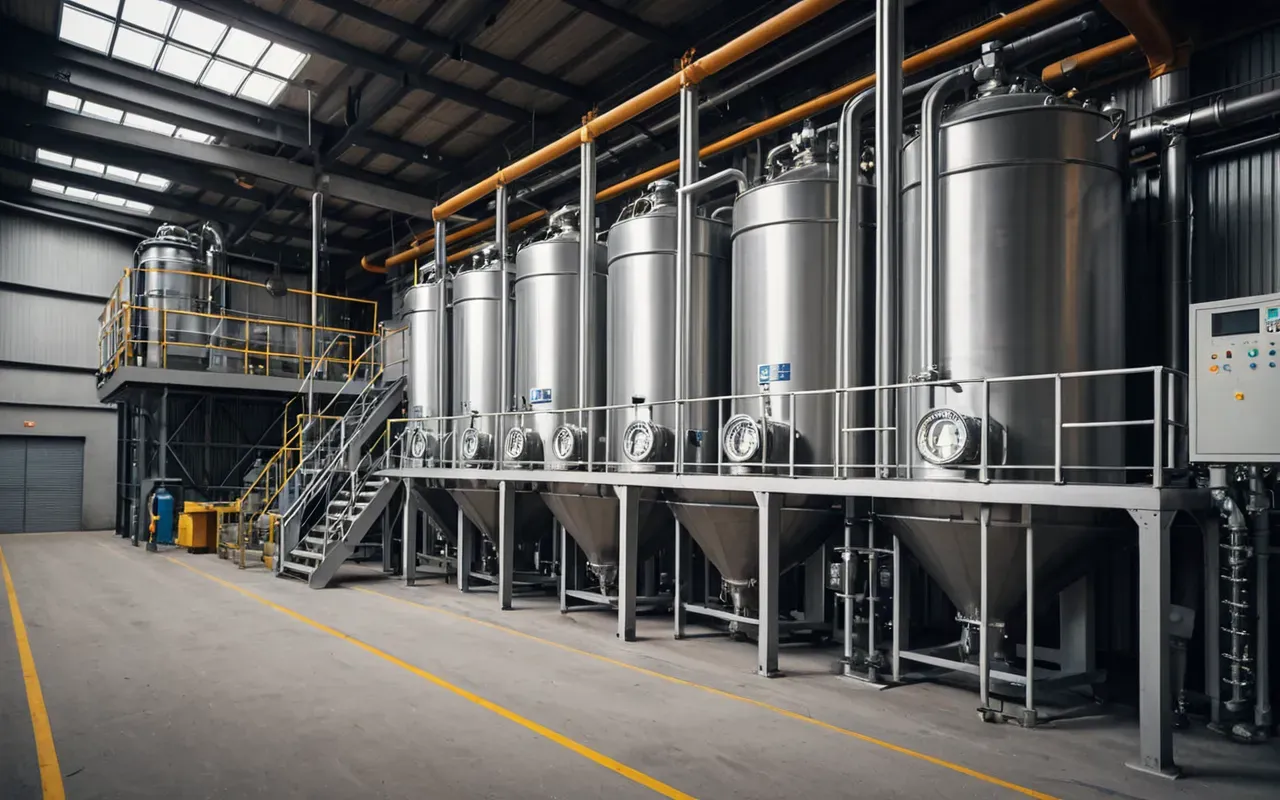
This local dispute in Florida has a much larger ripple effect. As we manufacture dry concrete batching plants for clients around the world, we are seeing similar requests from buyers in Europe and Asia.
Clients now ask for full enclosure as a standard feature. Why? Because they know the regulatory landscape is shifting globally toward stricter air quality controls near residential zones.
The Shift from Wet to Dry Delivery
There is a broader trend happening here that many overlook. The industry is moving away from wet ready-mix trucks and toward on-site dry batching.
Dry plants are more efficient but they require precise control over ingredients. If you mix dry mortar or concrete on site, you need a system that prevents moisture contamination and dust emission simultaneously.
This is where the technology gap becomes critical. Older systems struggled with this balance. Modern enclosed designs use sealed chambers and negative pressure ventilation to lock out outside air while keeping internal dust levels near zero.
If you are evaluating equipment right now, look for systems that integrate these containment features from the start. Retrofitting an open plant to be enclosed is often more expensive than buying a new one designed with it in mind.
What This Means for Your Supply Chain
The withdrawal in Archer saved the company a potential legal battle. But it also forced them to redesign their approach. This is a microcosm of what is happening across the globe.
Suppliers who can offer compliant, enclosed solutions are winning contracts. Those sticking to legacy open designs are finding their options shrinking as local councils become more empowered by community groups.
Consider the logistics. When a plant is enclosed, it generates less noise and light pollution at night. This allows for more flexible operating hours without triggering complaints.
That operational freedom is a massive economic advantage. You can ship products during off-peak times or respond to urgent orders without worrying about disrupting the neighborhood.
The Community Factor You Cannot Ignore
Let's be honest. The technology to run a clean plant has existed for years. So why did Arnold have to withdraw? Because the community didn't trust him.
The Maddox Foundry site had a history. It operated for one hundred and nineteen years as a metal casting factory. Locals remembered the dust from that era. They associated any industrial activity with pollution, regardless of modern standards.
This emotional weight is a real variable in project feasibility. It doesn't show up on the balance sheet, but it determines whether your permit gets approved or killed.
How Manufacturers Are Responding to Local Pushback
We are seeing a trend where manufacturers build more transparent facilities. Large glass panels in control rooms allow neighbors to see the clean interior.
It seems counterintuitive. Why show your operations? Because visibility builds trust. When people can see there is no dust and the machinery runs quietly, their fears dissipate.
This aligns with a broader movement in industrial design. The goal is to make the plant invisible or even attractive to the surrounding community.
In Archer, Commissioner Joan White suggested using the area for a historic district instead of an industrial plant. This shows how deeply cultural preservation influences zoning decisions now.
What Should You Do With This Information
If you are planning a new facility or upgrading an existing one, treat community acceptance as a core engineering requirement. Not just an environmental compliance box to tick.
Start with enclosed designs. They are easier to justify in public hearings because they offer a visible barrier against dust and noise.
Review your emission controls. Make sure they exceed current standards by a significant margin. Give yourself a buffer for future regulatory tightening.
Engage with the community early. Don't wait for the hearing to meet your neighbors. Build relationships before you submit your application.
The Future of Concrete Manufacturing Is Sealed
The Archer incident is not an anomaly. It is a preview of the coming standard. Every major market will eventually demand higher levels of containment.
Those who adapt early will enjoy smoother permitting and stronger community support. Those who wait will face costly retrofits or outright rejection.
The concrete industry is evolving. It is becoming more precise, cleaner, and socially responsible. The companies that lead this change will define the next decade of construction.
We are at an inflection point. The choice is simple. Adapt to the new reality of enclosed, community-friendly plants or risk being left behind by competitors who understand what matters now.
The fight in Archer was about a single plant. But the lesson applies to every manufacturer and operator worldwide. The future of concrete batching is sealed.

Comments ()