The concrete industry is about to run out of time and nobody knows it yet
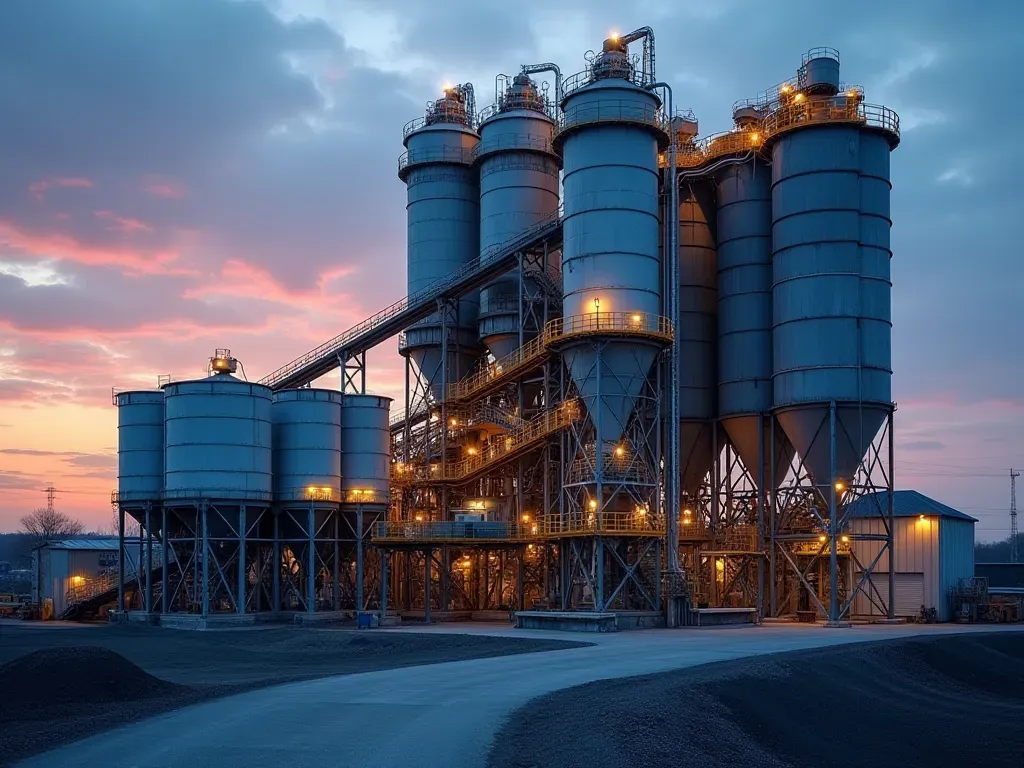
The $. Trillion Problem Nobody Is Talking About
Here's a number that should keep you up at night. $. trillion.
That's the projected value of global construction activity by — a jump of more than seventy percent from where we stand today.
Most people see that as a boom. I see it as a warning. The real story isn't the demand.
It's that we're failing to deliver. Construction activity has almost doubled in the last twenty-five years.
But delivery is lagging. We're building slower than we need to be. And this gap between ambition and execution is widening.
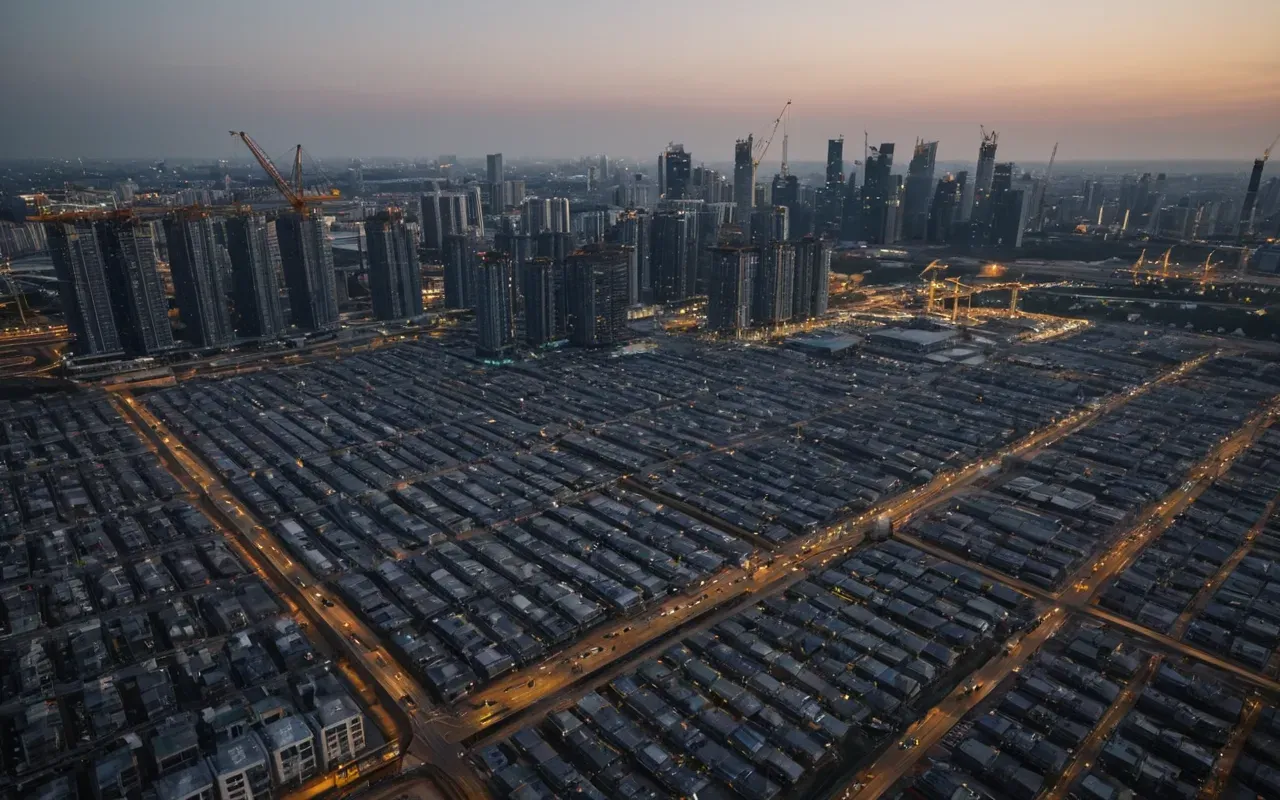
Why Urbanization Is Breaking Current Supply Chains
Look at the drivers. Population growth is pushing more people into cities every single day.
We have a massive housing deficit. Governments are waking up to the fact that their infrastructure is aging.
Climate change adds another layer of urgency. We need resilient structures that can withstand extreme weather.
And then there's the tech boom. Data centers and high-tech facilities are consuming concrete at a rate we've never seen before.
These five forces are colliding. The result is a perfect storm for the materials sector.
If you rely on traditional wet concrete delivery, you're in trouble. The logistics alone are a nightmare.
The Hidden Flaw in Traditional Concrete Delivery
Here's the thing. Wet concrete has a shelf life of roughly ninety minutes.
After that, it starts to stiffen. You have a ticking clock on every single truck leaving the plant.
This creates massive logistical bottlenecks. Trucks must arrive at the site within a strict window.
One traffic jam and you lose batches. You waste money. You delay the project.
I've seen this happen too many times. It's a silent killer of project margins.
The industry keeps talking about efficiency but ignoring this fundamental flaw in the delivery model.
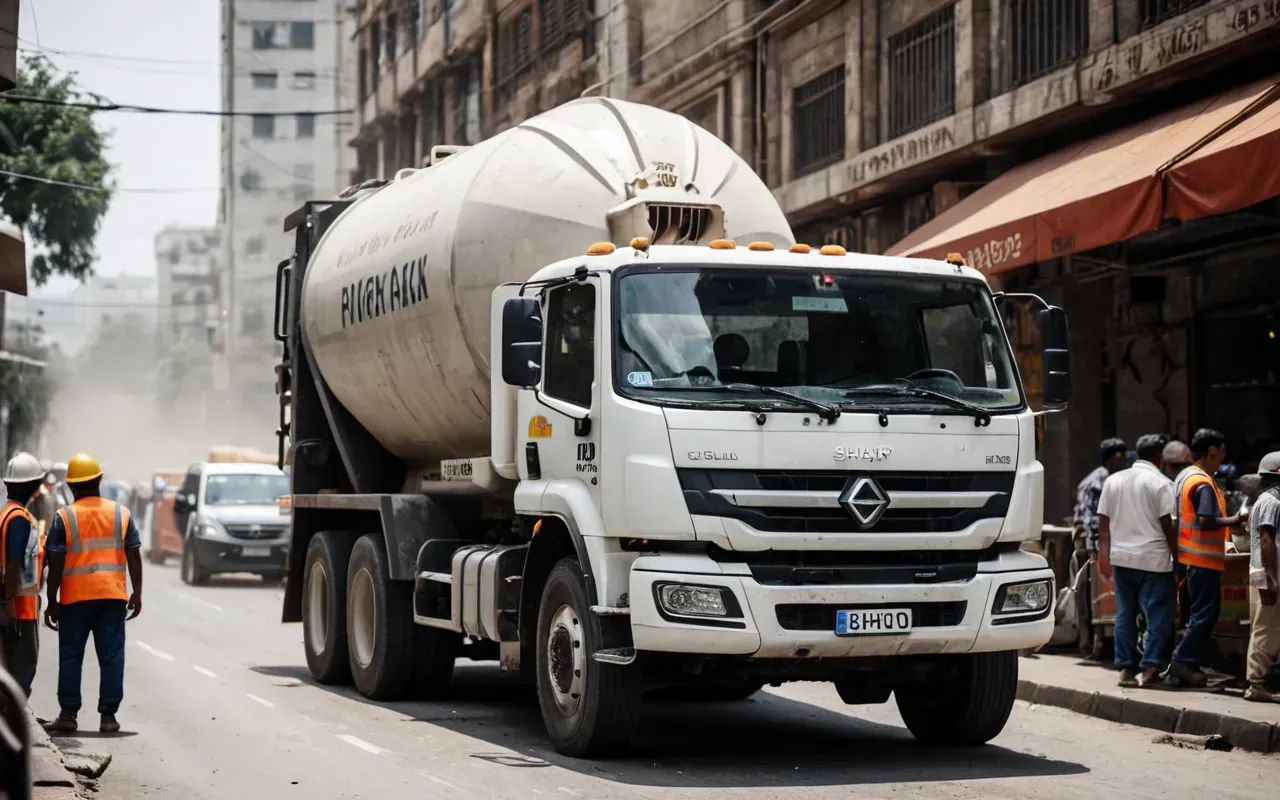
How Dry Batching Solves the Delivery Crisis
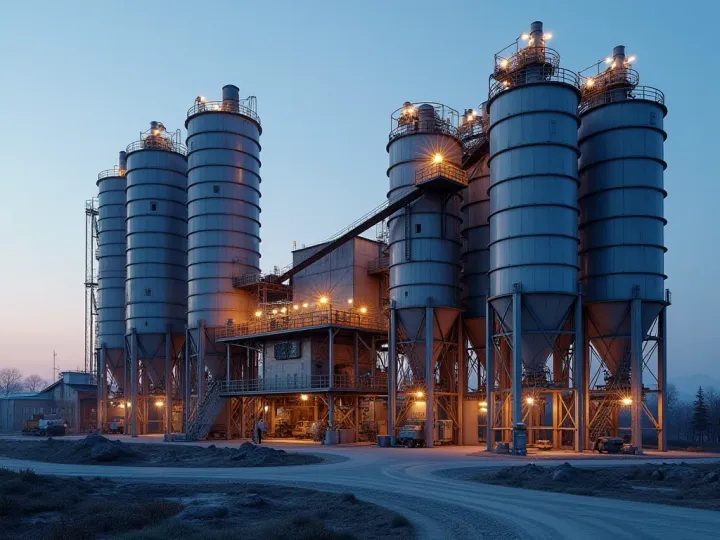
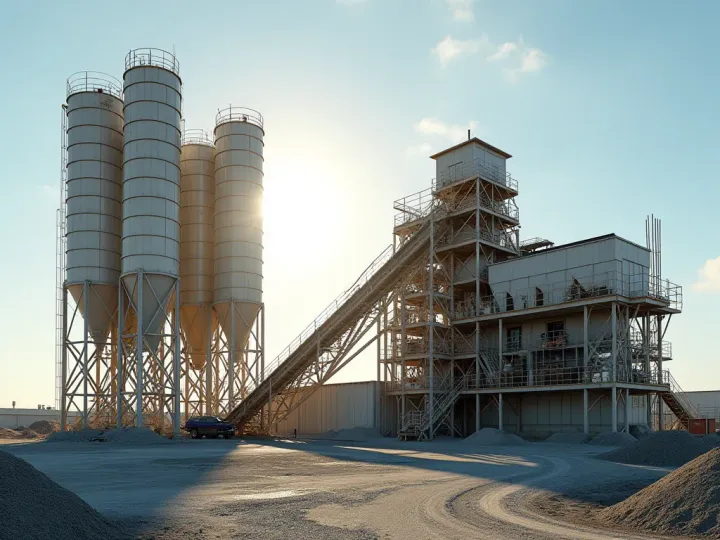
This is where dry concrete batching plants change everything.
Instead of mixing water in the truck, you transport dry aggregates and cement.
The material stays stable for weeks. No ticking clock. No setting out.
You can ship it anywhere in the world without worrying about time zones or traffic.
That flexibility is exactly what the growing demand for infrastructure requires.
Why This Matters For Your Business Right Now
If you're still relying on wet delivery for large projects, you're at risk.
The market is shifting toward solutions that offer control and consistency.
Companies like those abandoning wet delivery are seeing better margins.
They've unlocked a level of supply chain resilience that wet plants simply cannot match.
This isn't just about saving time. It's about securing your future in a volatile market.
The Sustainability Angle Everyone Is Ignoring
Let's talk about carbon. The cement industry is under huge pressure to reduce emissions.
But here's the irony. Inefficient delivery creates waste that adds to your carbon load.
When concrete sets in a truck and is dumped, that's wasted energy. Wasted raw materials.
Dry batching allows for precise dosing on site. You mix exactly what you need.
This reduces over-production and minimizes the environmental impact of your operations.
It's a small change in process that yields massive benefits for sustainability goals.
Governments are starting to notice. They want materials that support their green mandates.
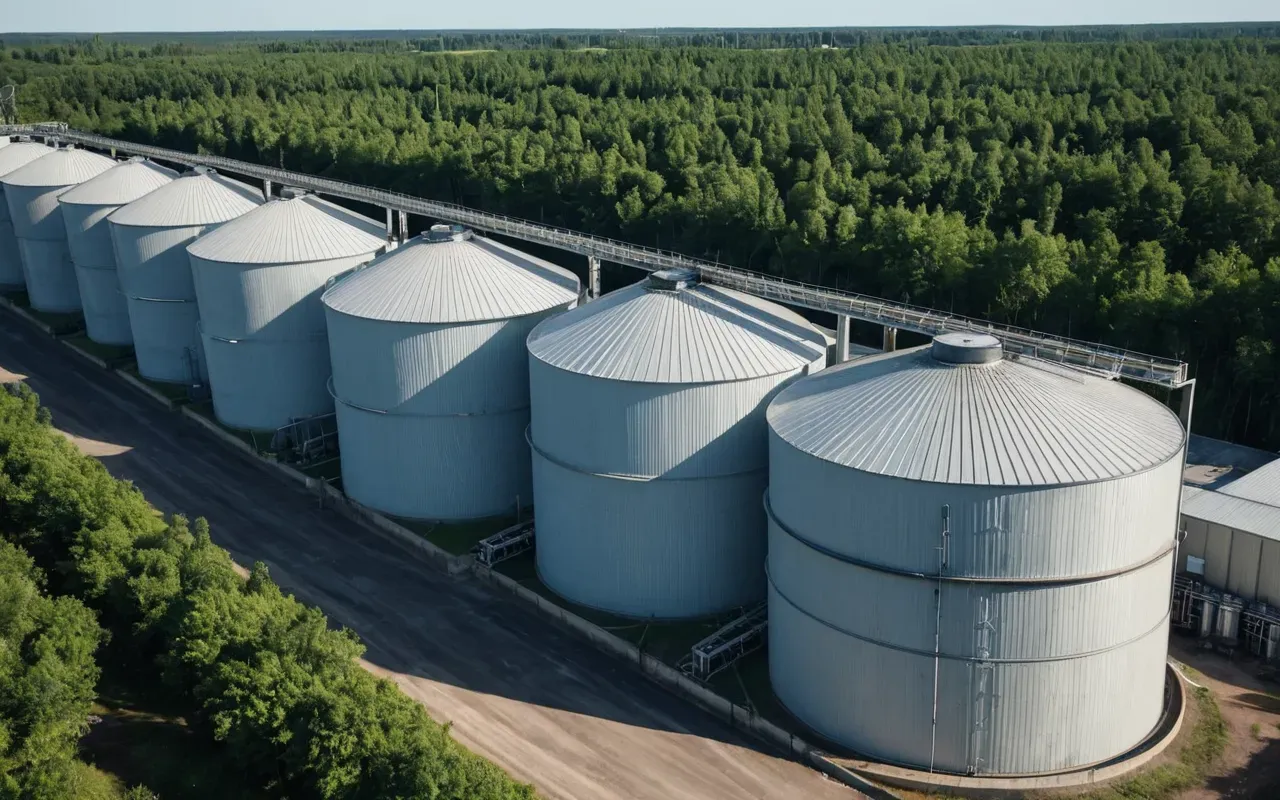
What The Future Looks Like For Concrete Manufacturers
The next twenty-five years will be defined by speed and precision.
We'll see more automation in batching plants. More data integration on site.
The companies that win will be those who can deliver material reliably anywhere.
This is a race to the bottom on logistics costs and service quality.
If you're not prepared for this shift now, you'll be left behind.
The demand is coming. It's inevitable. The question is whether you can keep up.
The industry is about to lose its memory and AI is stepping in to fill the gap.
We need better tools. Better systems. And a fundamental rethink of how we move material.
The $. trillion opportunity is real. But it only belongs to those who adapt.
Final Thoughts On The Concrete Delivery Gap
We're standing on the edge of a major transformation in construction.
The old ways won't work anymore. We need new solutions for a growing world.
Dry batching isn't just an option. It's becoming the standard for serious operators.
If you're still hesitating, I'd urge you to look at the data.
The gap between supply and demand is widening. Don't be part of the problem.
Be part of the solution that keeps global infrastructure building safely and efficiently.
Comments ()