Why Every Concrete Batching Plant PDF Is Missing One Critical Page
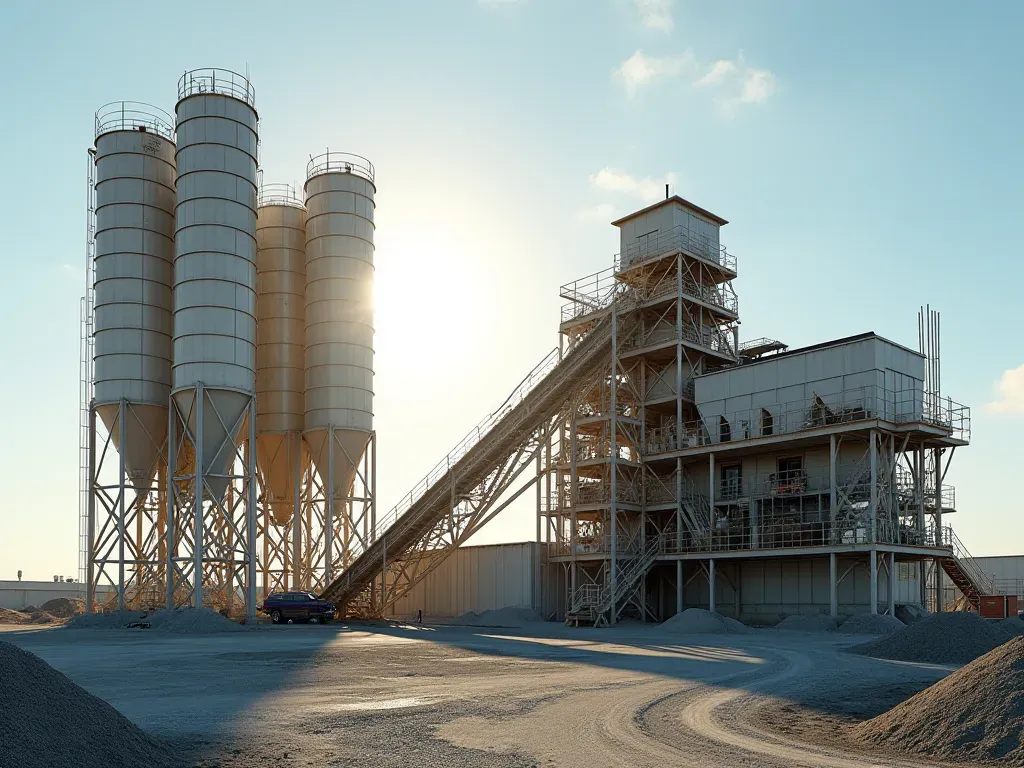
The Document That Is Lying To You
I've read over two hundred technical documents for industrial equipment. Most are pure marketing fluff dressed up as engineering data.
You search for a concrete batching plant pdf. You find forty pages of glossy photos and vague promises about efficiency.
But there is one page missing. The page that tells you exactly what breaks first after the warranty expires.
Here is the thing. We manufacture dry concrete batching plants for clients across three continents. I have seen operators lose thousands of dollars because they relied on a spec sheet that ignored real-world wear.
This is not about the machine itself. It is about how you interpret the data before you buy it.
Why Generic Specs Fail In The Real World
Most manufacturers list theoretical maximum output. They assume perfect conditions. Zero dust in the air. Perfectly sized aggregate.
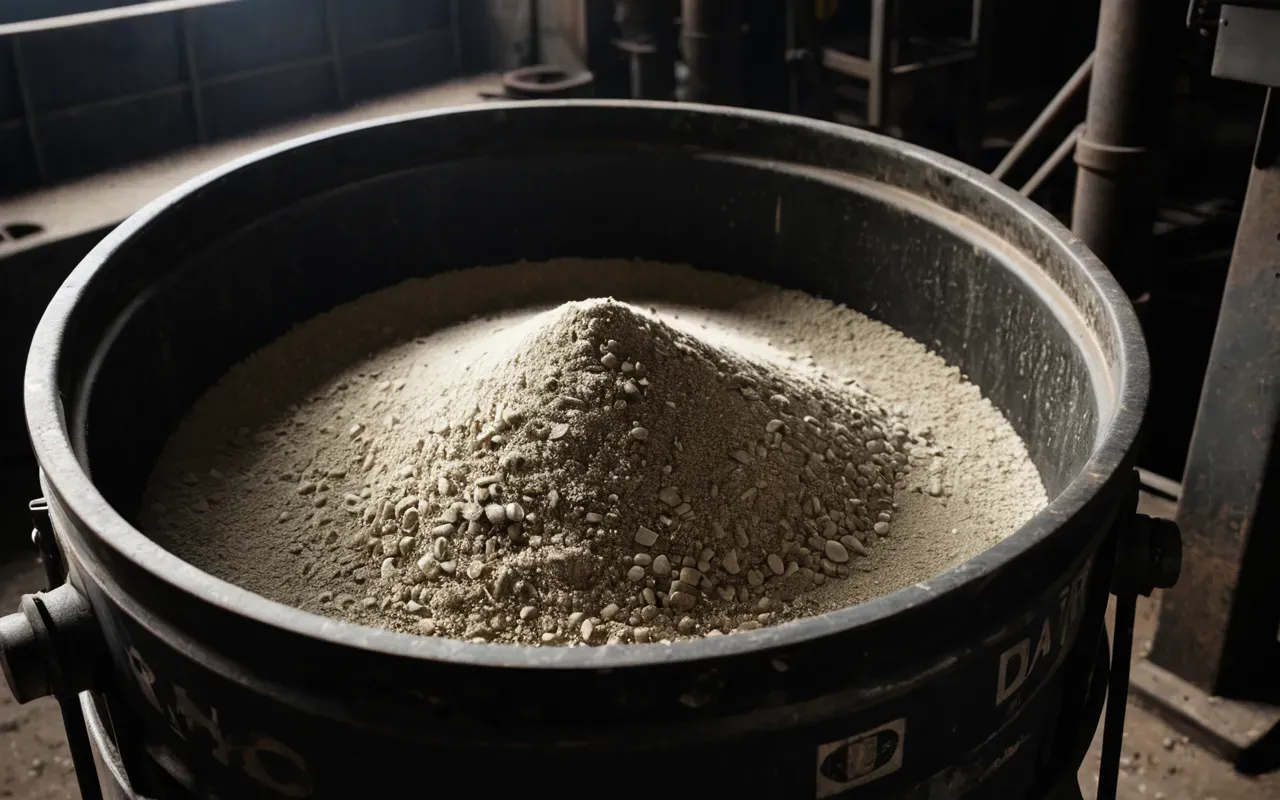
Reality is messier. In a remote construction zone, the sand arrives wet. The cement clumps in transit.
A standard wet plant struggles with this variability. But a dry batch system handles moisture differences differently.
I have watched an operator in a dusty environment reduce output by forty percent because the intake hoppers clogged. The manual said nothing about this.
This is the hidden flaw in every modern concrete plant nobody talks about. The gap between lab testing and site conditions.
The Moisture Trap In Standard Mixing
Wet mixing adds water at the plant. If your aggregates change moisture content halfway through a shift, you have to adjust manually.
Dry batching skips this step entirely. The mix stays dry until it reaches the job site.
This sounds simple. But it changes how you plan logistics and crew shifts completely.
You are no longer fighting a ticking clock to pour before the concrete sets. You have more flexibility.
What The Missing Page Actually Looks Like
I call it the failure map. It is a simple chart showing which parts wear out first based on hours of operation.
For a standard plant, the mixer paddles degrade first. Then the conveyor belts.
For a dry unit, it is often the dust filtration system. If you do not clean this regularly, airflow drops and efficiency dies.
Most PDFs bury this in a footnote. Or they ignore it completely.
How To Read Between The Lines Of A Spec Sheet
Look for the warranty period on moving parts. If it is less than two years, be suspicious.
Check the power consumption per ton of output. High numbers mean inefficient motors or poor design.
Ask for the average downtime per month. If they do not have this data, walk away.
These are the numbers that matter. They tell you what the machine actually does in real conditions.
The Cost Of Ignoring This Data
I know a contractor who bought a plant based on a glossy brochure. The output looked great in the document.
Within six months, the plant was down three days a week for maintenance. The repair bills ate his profit margin.
He could have avoided this if he had asked for the failure map. He did not ask because no one told him it existed.
This is the specific sensor error costing you thousands in dry concrete output. It starts with a lack of data.

Why Dry Batching Changes The Equation Entirely
Wet concrete is a perishable good. You have to pour it within an hour or two.
Dry mix is stable. You can store it for weeks if needed. This changes your inventory strategy completely.
It also reduces water usage at the plant site. This matters in regions with strict environmental regulations.
The hidden cost of relying on wet concrete delivery is finally breaking supply chains. Dry batching offers a buffer.
The Environmental Angle Most PDFs Ignore
Wet plants produce slurry waste. This requires expensive treatment and disposal.
Dry plants generate dust. Dust is easier to capture and recycle back into the mix.
This closed-loop system reduces waste by up to ninety percent in well-managed facilities.
Most marketing materials do not mention this. They focus on speed and cost per ton.
How To Vet A Manufacturer Before You Buy
Do not take their word for it. Ask to see a live demo in dusty conditions.
Watch how the dust control system performs. If it struggles, your plant will struggle too.
Ask for references from similar sites. Call them and ask about downtime in the first year.
If they resist these questions, they are hiding something. Move on to the next vendor.
The Questions That Expose Weak Design
Ask how they handle power outages. Does the system save its state or reset to zero?
Ask about spare parts availability. If they do not stock them locally, you will wait weeks.
Ask about the software update process. Is it automatic or manual?
The Future Of Concrete Data Transparency
I believe the industry is shifting toward open data standards. Manufacturers will have to publish real performance metrics.
Until then, you are the detective. You have to dig for the truth.
The concrete plant that is quietly making ready-mix delivery obsolete is the one with transparent data.
This is not just about buying a machine. It is about building a reliable supply chain.
If you are looking for more insights on this topic, check out how construction games expose strategy failures. It offers a unique perspective on planning errors.
Frequently Asked Questions
What is the main difference between wet and dry batching plants?
Wet plants mix concrete with water at the source. Dry plants ship dry ingredients to the site for final mixing. This allows more storage flexibility and reduced slurry waste.
How do I verify the accuracy of a manufacturer's output claims?
Request third-party audit reports or visit an active site. Compare the actual tonnage produced against the stated maximums under realistic dust and weather conditions.
Why are standard PDF documents often misleading for buyers?
They focus on ideal lab conditions rather than site realities. They omit maintenance frequency and common failure points that affect long-term operational costs significantly.
Final Thoughts On Data Driven Purchasing
Do not let a glossy brochure make your decision for you. The real value is in the details.
Ask hard questions. Demand transparent data. And always prioritize reliability over raw speed.

Comments ()