The hidden flaw in every modern concrete plant nobody talks about
The Awareness-Action Gap That Is Breaking the Industry
Everyone says buildings need to be safer and greener. Fine. But almost nobody is moving fast enough to actually do it. That gap — between what we all agree on and what we actually build — is the real crisis.
What struck me most was how quickly the conversation turns to technology. Better cement. Smarter mixers. As if some breakthrough product will rescue us. It won't. The bottleneck is us — human behavior.
Saint-Gobain just held its first Sustainable Construction Talks in Istanbul. The room was packed with architects and engineers. And the data they put on the screen was chilling.
Türkiye sits on major seismic faults. This isn't a hypothetical risk you plan for someday. It's a daily reality for millions of people packed into dense urban centers.
Why Safety and Carbon Cannot Be Separated
Here's the thing. You cannot build a safe building that also ignores its carbon footprint. Those two problems are tangled together in ways most people never stop to consider.
Roughly forty percent of global carbon emissions come from the built environment. Sit with that number for a second — especially given how much airtime we give to other sectors.
Fix the safety side and skip energy efficiency? You've just built a more expensive disaster waiting to happen. The math simply doesn't work that way.
I've watched this pattern repeat across different markets. Companies treat safety as a compliance cost and sustainability as a marketing feature. Both are mistakes.
The real answer means looking at the entire lifecycle. Raw material extraction. Final demolition. Every step has to be optimized for durability and low impact at the same time.
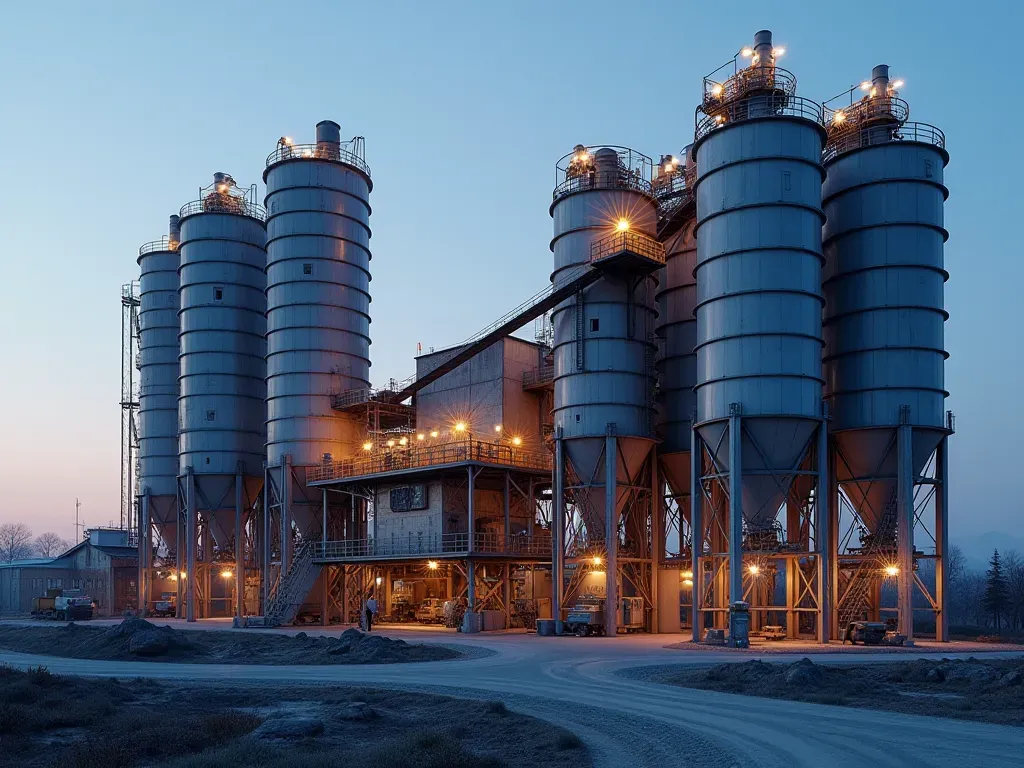
The Role of Dry Batching Plants in This Shift
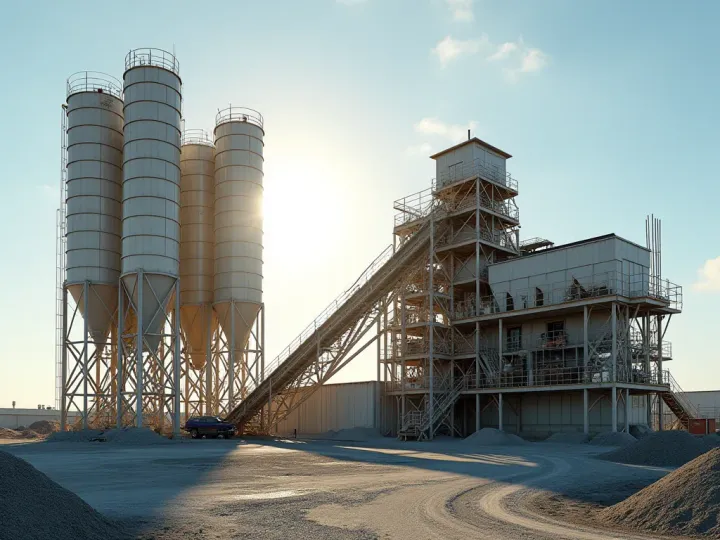
This is where dry concrete batching plants become critical. They allow for precise mixing that cuts waste and keeps material consistency steady on site.
Wet delivery carries hidden costs that are finally breaking supply chains. Dry systems give you a far more controlled environment for producing high-quality mortar and concrete.
If you are curious about how the industry is moving away from wet delivery, this shift offers a clear path to better quality control.
The Financial Reality of Green Construction
Money talks. And right now it's demanding more from the building sector than ever before. Investors want tangible reductions in environmental impact — not press releases.
Green financing offers better terms. But you have to prove your project actually delivers on those promises. Vague commitments don't cut it anymore.
A project manager told me recently that carbon metrics now carry as much weight as cost and timeline. Not science fiction. Just business reality.
Regulations are tightening globally. Don't adapt now and you'll be paying penalties later while your competitors stay ahead of the curve.
Why Material Quality Matters More Than Ever
The cement and admixtures you choose determine final performance. Cheap materials may save money today but cost lives tomorrow.
High-performance concrete can be engineered for seismic resistance. But that requires precise formulation — the kind only specialized equipment can guarantee.
If you want to understand why most batching plant prices are wrong, look at the total cost of ownership, not just the sticker price.
The Path Forward for Builders and Investors
We're at a turning point. The next decade will be defined by how fast the industry can fold safety and sustainability into every single project.
It's not just about being a good corporate citizen. It's about staying competitive in a market that increasingly values resilience and efficiency.
The companies that win will be the ones treating environmental performance as a core engineering discipline rather than an afterthought.
I believe the gap between knowing and doing is closing. But it will take bold decisions from leaders willing to invest in better systems today.
If you look at the hidden flaw in modern concrete plants, it's clear that technology alone is not the answer. People and processes must change first.
The future of building isn't just about concrete. It's about creating spaces that protect people and the planet at the same time.
What This Means for Your Next Project
Start by auditing your current supply chain. Are you using materials that meet the highest standards for safety and environmental impact?
Talk to your engineers about the long-term performance of the structures you're building. Ask them how they plan to reduce embodied carbon.
Consider the operational energy of your buildings. A structure that's cheap to build but expensive to run will fail in the long term.
The choices you make now will shape the resilience of your assets for decades. Don't underestimate the power of small improvements in material quality.
We're building more than just structures. We're creating the backdrop for human life in a changing climate. Let's make sure it's built right.
Comments ()