Why Most Concrete Batching Plant Prices Are Completely Wrong
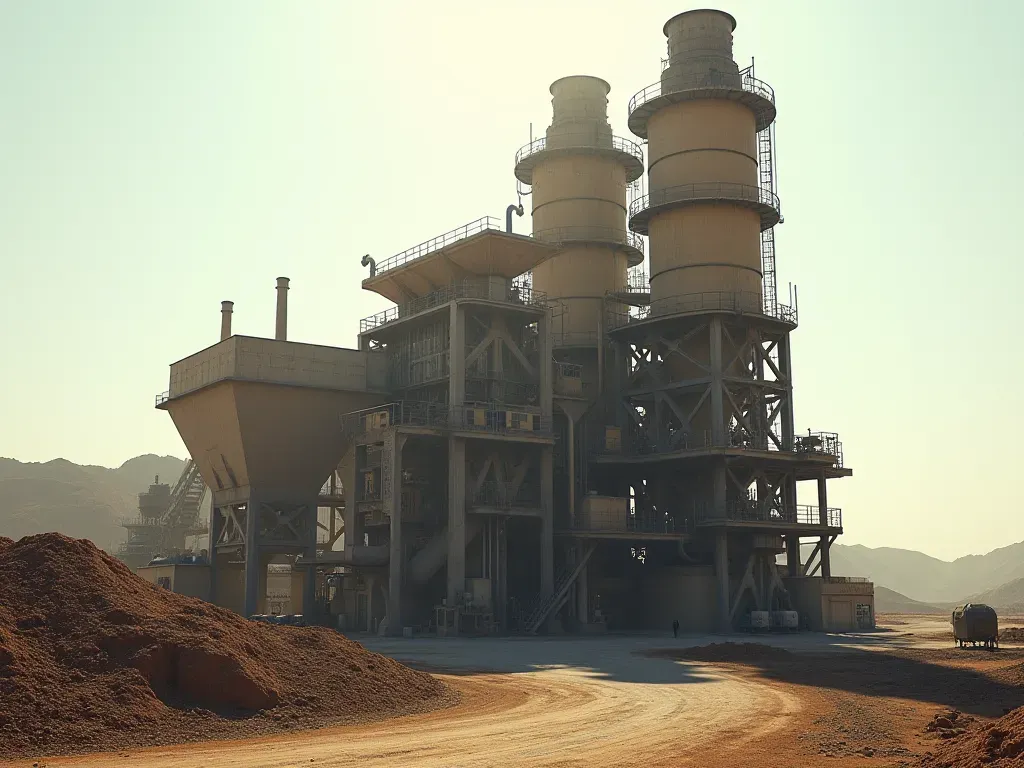
The $, Blind Spot Hiding in Your Quote
A client called me last week, baffled. His new setup was bleeding cash. He'd bought the cheapest unit he could find back in Q, and the invoice looked great on paper.
But he ignored the hidden costs of dry concrete production. Power consumption? Underestimated. Maintenance downtime? Same story. Now his monthly overhead sits forty percent above what he projected.
Happens constantly in our industry. Buyers fixate on the initial purchase amount and ignore operational efficiency. That mistake creates a financial trap that's hard to escape.
Why Sticker Price Is the Worst Metric for Value
I've seen hundreds of quotes from different manufacturers. Some come in significantly lower than others for the same nominal capacity. The difference is never random.
Cheap units often use thinner steel plates and lower-grade electrical components. Fine during fabrication — those choices save money. But they fail under heavy daily loads. And repair costs eat up the initial savings fast.
Take a standard two meter cubic per minute mixer. A premium build costs more upfront. Yet it runs cooler and wears slower over five years.
The Hidden Cost of Inefficient Mixing Methods
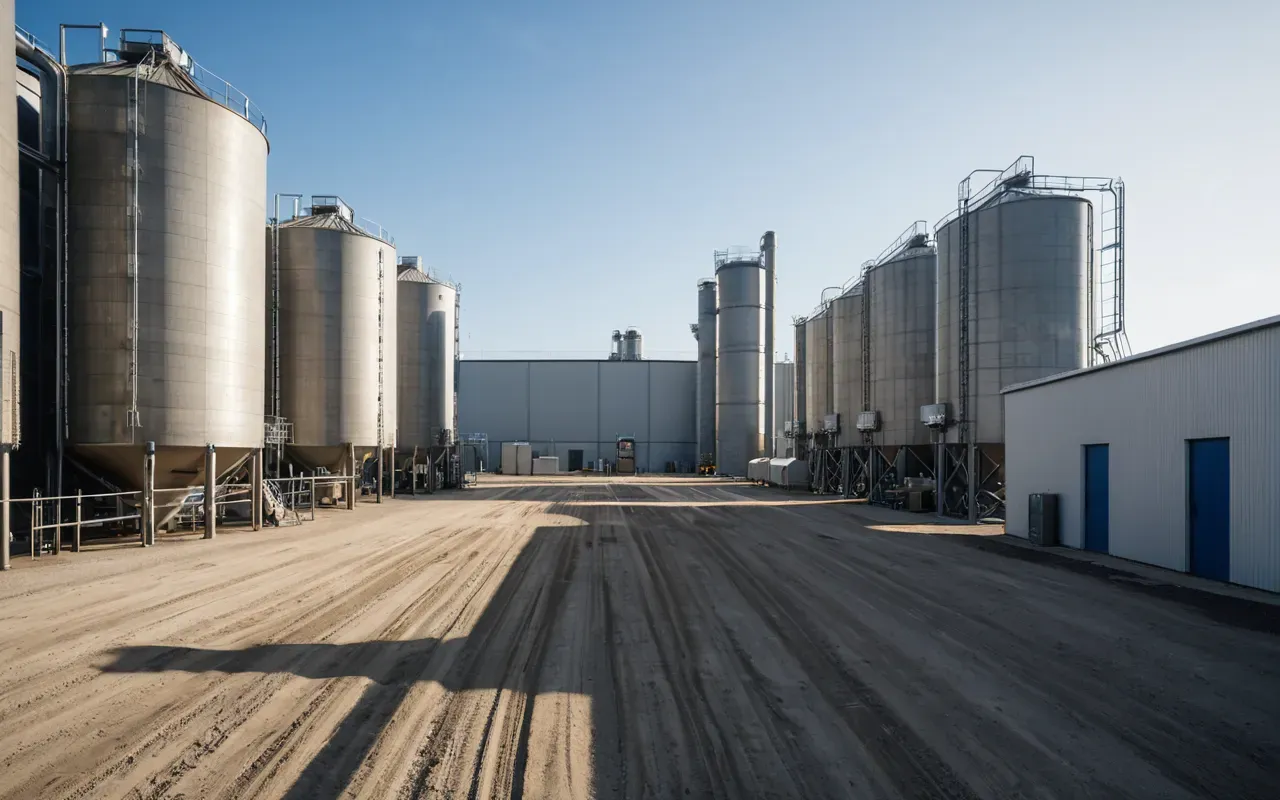
Plenty of operators believe faster is better. So they push their mixers to maximum speed constantly. That causes uneven distribution of dry aggregates.
When mix quality drops, you waste expensive cement. You also face higher rejection rates from clients. This silent loss destroys profit margins faster than any visible damage.
We recommend analyzing the specific mixing cycle for your target concrete grade. Sometimes a slower but more thorough process saves money overall.
Real Numbers From a Mid Size Plant Operator
Let's look at actual data from a facility producing five hundred cubic meters daily. They switched to a more efficient dry batching system last year.
Their electricity bill dropped by twelve percent in the first quarter. Maintenance visits decreased from four times a month to once every six weeks.
The initial investment difference was only eight percent higher than their old setup. Within nine months the savings fully covered that extra cost.
How Power Consumption Changes Your True Price Point
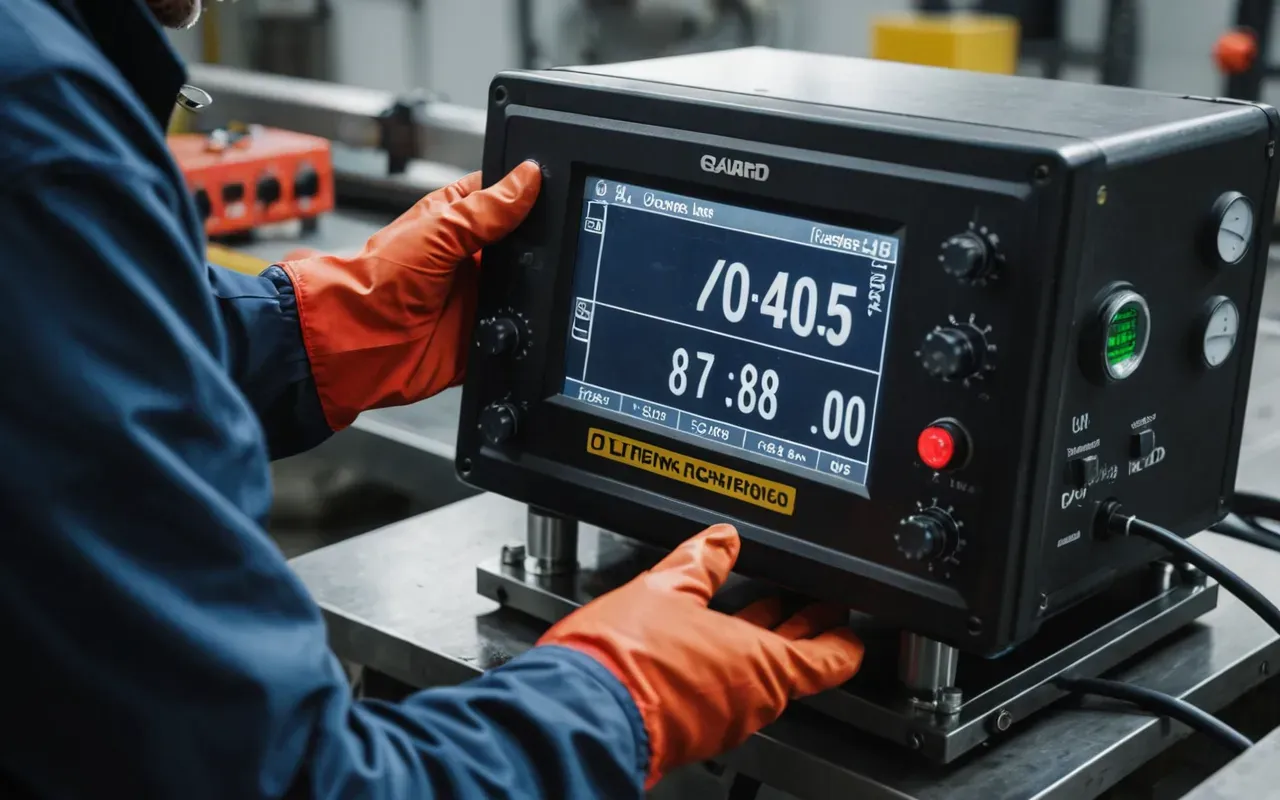
Electricity is a major variable in your monthly costs. A poorly designed motor system can draw double the required amperage.
Look at the rated power versus actual consumption during peak hours. If there's a large gap, you're paying for inefficiency every single day.
In regions with high utility tariffs this difference can reach thousands of dollars per month. Always ask for a load profile report before signing.
The Maintenance Factor Most Buyers Ignore Completely
Cheap parts fail unpredictably. A single broken seal can halt production for forty eight hours while you wait on replacement inventory.
Downtime is the most expensive part of concrete batching plant price discussions. It stops revenue generation immediately and angers customers.
We advise choosing suppliers with strong local support networks. They can provide parts quickly and offer remote diagnostic assistance when needed.
What to Ask Your Supplier Before Finalizing the Deal
Ask for a detailed bill of materials. Identify which components are standard and which require extra payment later.
Request references from operators in similar climates and production volumes. Talk to them about their first year experiences.
Understand the warranty terms clearly. Some exclude wear and tear parts that fail frequently in dry concrete operations.
Comparing New Versus Used Equipment Value Propositions
Used plants can offer significant savings on upfront capital. However, you must verify the wear level of critical rotating parts.
A well maintained used unit from a reputable manufacturer often outperforms a cheap new model. Check the service history logs carefully.
If you are considering a used option read about how one operator changed their view on equipment value to understand the potential risks and rewards.
How Regional Factors Change Your Effective Price Point
Shipping costs and import duties vary wildly by location. These can add twenty to thirty percent to the base quote.
Local labor rates for installation also affect your total budget. Complex setups require skilled technicians who charge premium hourly fees.
Always calculate the landed cost including all logistics and installation expenses. That gives you a realistic picture of your total investment.
The Truth About Long Term Profitability Metrics
Profitability isn't just about selling concrete. It's about minimizing the cost per cubic meter produced.
Track your material usage rates and waste percentages monthly. These numbers reveal the true efficiency of your batching process.
If your waste rate exceeds three percent, you have a problem. Fixing it often yields higher returns than buying new equipment.
Common Mistakes That Inflate Your Operational Expenses
Over ordering spare parts is a common financial leak. Keep only critical items in stock and rely on fast delivery for the rest.
Neglecting regular lubrication schedules leads to premature wear. This small task saves thousands in major repairs over time.
Failing to train your operators properly causes avoidable damage. Invest in comprehensive training sessions for all staff members.
Frequently Asked Questions About Plant Pricing and Costs
What is the average price range for a standard dry concrete batching plant?
Prices vary widely based on capacity and features. Small units may start around fifty thousand dollars while large industrial systems can exceed five hundred thousand.
Why does a cheaper plant sometimes cost more in the long run?
Lower quality components fail faster and consume more energy. The increased maintenance downtime and higher utility bills eventually exceed the initial savings.
How can I calculate the true total ownership cost of my equipment?
Add purchase price, shipping, installation, and estimated annual maintenance, energy, and labor costs. Divide by expected production volume to get a cost per unit produced.

Comments ()