The concrete plant that is quietly making ready-mix delivery obsolete
The hidden cost of waiting for the truck to arrive
Concrete looks simple. You pour it, it hardens, done. Except that's not how any of this works. The real fight happens long before the first bucket drops, and in Monaca, Pennsylvania, a huge infrastructure project showed that speed and quality aren't opposites — not if you control your own supply.
Montgomery Locks and Dam needed about , cubic yards of concrete. Sit with that number for a second. It's enough to pave a four-lane highway for roughly fifteen miles. Or pour the foundation of an eighty-story skyscraper.
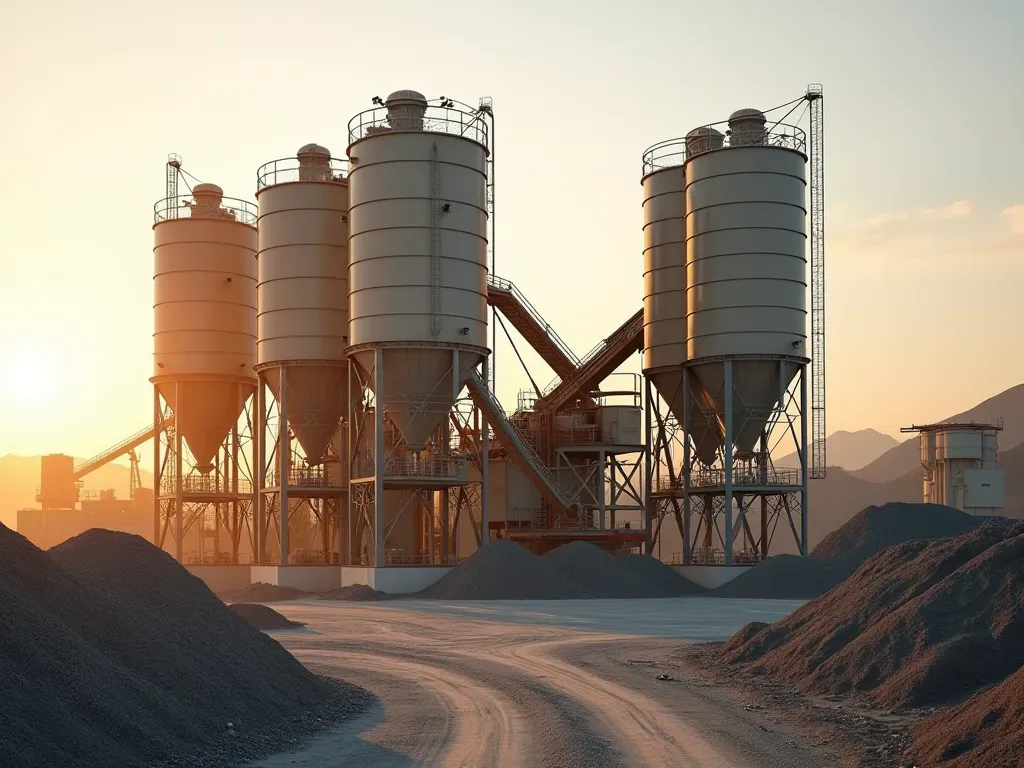
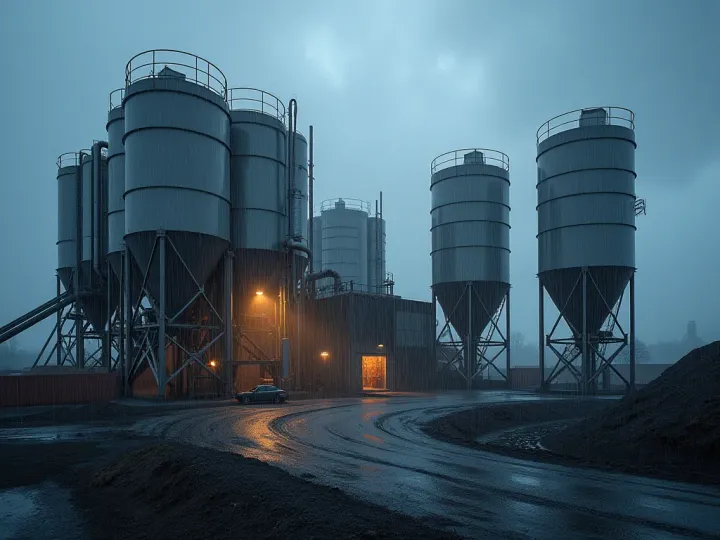
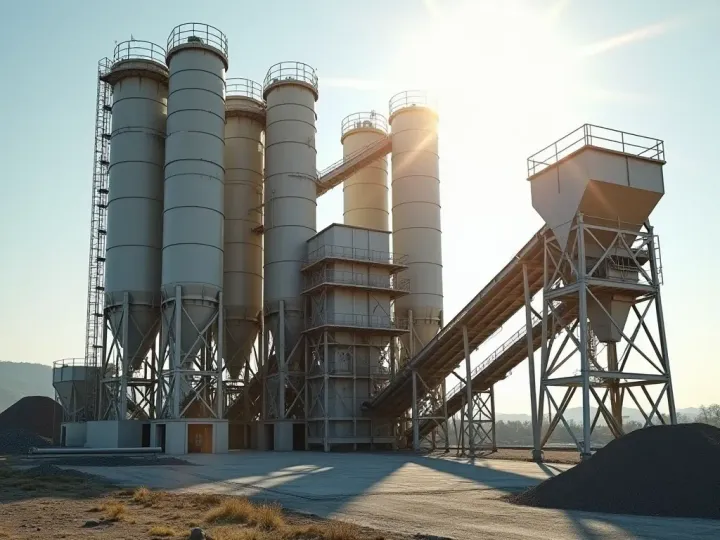
Here's where it gets interesting. For the bulk of the work, they didn't call commercial ready-mix trucks. They built an onsite batch plant instead, plus a dedicated lab to certify every single mix. That one decision wiped out weeks of potential delays.
Why bother? Because commercial suppliers can't always hit the durability requirements for underwater structures. The new lock chamber has to last fifty years in river water. Standard concrete often starts failing within a decade.
Why the lab certification changed everything for this project
And the real story isn't just about mixing ingredients. It's about proving they work together under brutal conditions. The onsite lab at Montgomery was certified in early February of this year — a milestone that unlocked the next phase of construction.
Mohammed Ibrahim from the U.S. Army Corps of Engineers put it plainly: this setup cuts the red tape. Traditional commercial concrete drags along lengthy coordination and transportation logistics. An onsite plant eliminates those friction points entirely.
The lab handles primary quality assurance. Compressive strength, resistance to freeze-thaw cycles. Not optional extras. They're the difference between a structure that lasts half a century and one that starts crumbling in ten years.
I keep coming back to the precision required here. A small error in mix composition could mean catastrophic failure underwater. So the certification process exists to guarantee every batch meets strict performance specs before it ever leaves the plant.
The speed advantage that commercial trucks cannot match
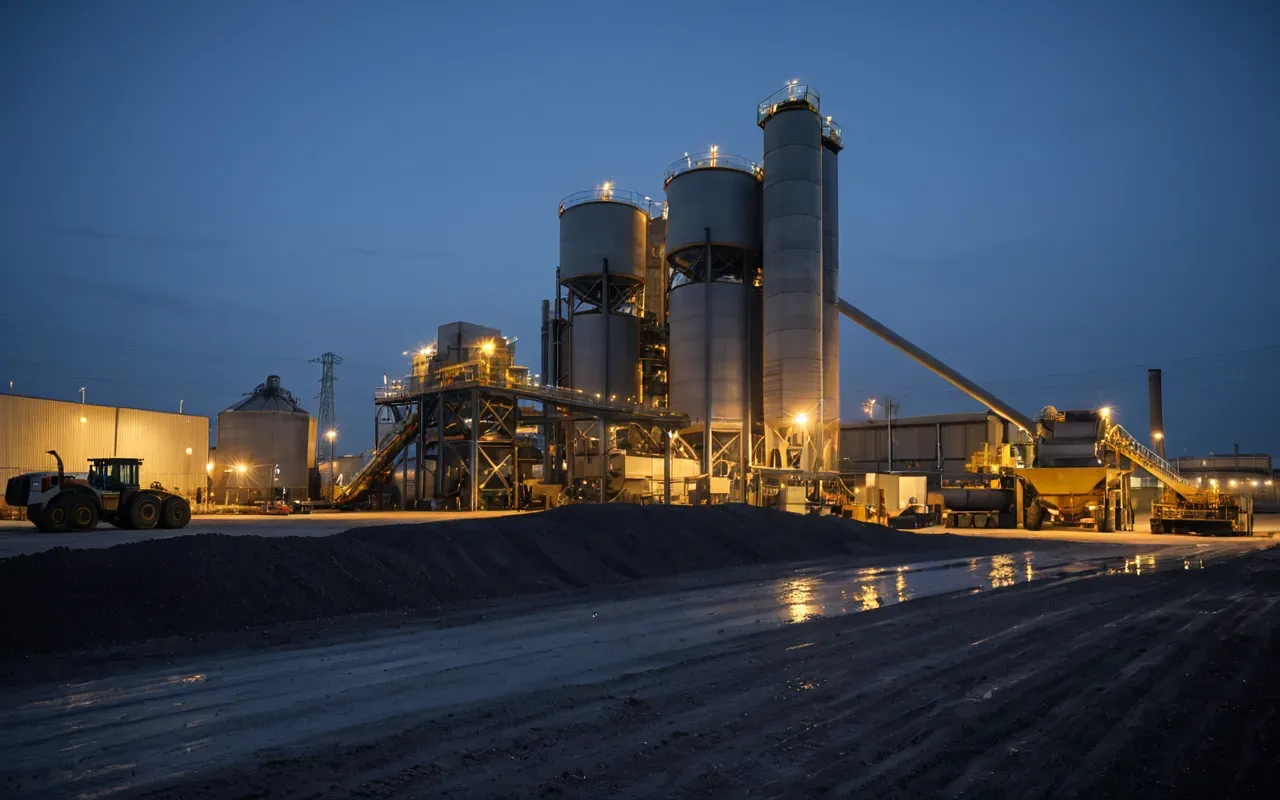
Speed matters too. Ibrahim noted that delivery from an onsite plant is much faster than commercial concrete. Trucks need time to travel, load, and sync up with site schedules.
Onsite, the concrete is ready when you need it. Less waste, fewer delays from traffic or a supplier running out of capacity. On a project this size, those small time savings stack into weeks of progress.
But speed is only half of it. The other half is control. You can adjust mix specifications in real-time based on weather or specific structural needs. Commercial suppliers usually work from fixed recipes that aren't optimal for every pour.
The quality gap between commercial and onsite production
Commercial concrete is built for general use. It has to be versatile enough for houses and office buildings alike. And that versatility often costs you specialized performance.
Montgomery needed concrete that could sit submerged in river water, resisting chemical attack and physical erosion from moving currents. Standard ready-mix rarely addresses requirements like those.
Producing onsite let engineers tailor each batch to specific structural elements. The foundation might need higher compressive strength. The walls might need better resistance to permeability. Try getting that level of customization from a third-party supplier.
How certification ensures long-term structural integrity
Certification isn't a bureaucratic checkbox, either. It's scientific validation that the plant can consistently produce high-quality concrete. The National Ready Mixed Concrete Association came out to verify equipment functionality and staff competence.
That verification confirms the batch plant operates within accepted tolerances. Small variations in ingredient weight or mixing time can swing final product quality significantly. Certification eliminates those variables through rigorous testing protocols.
What you get is confidence commercial suppliers simply can't offer. When you know exactly how your concrete was made and tested, you can trust it to perform for decades under harsh conditions.
The broader implications for critical infrastructure projects
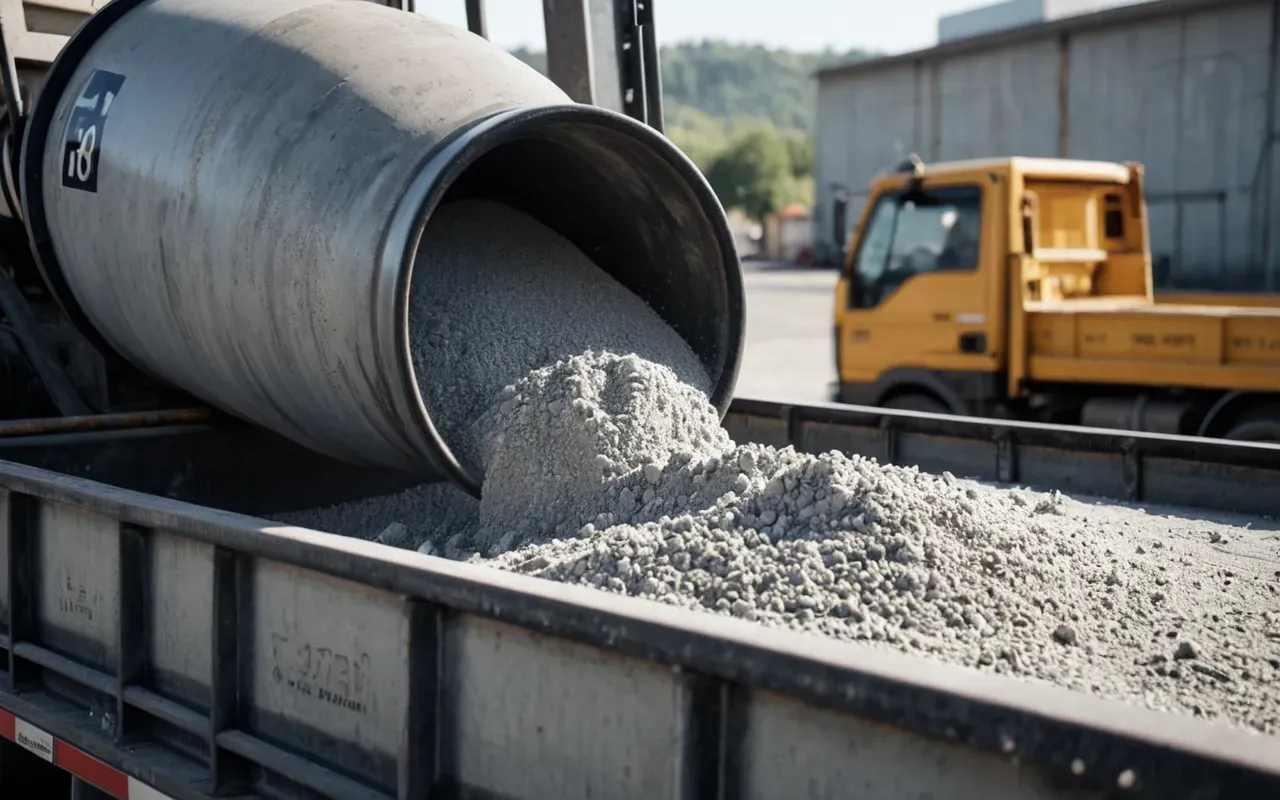
None of this is unique to Montgomery. But it does highlight a growing trend on major construction projects. As infrastructure requirements get more complex and demanding, leaning on generic commercial products gets riskier.
Bridges, dams, underwater structures — they all face the same challenge. They need concrete that performs reliably over long periods in aggressive environments. Onsite production gives you the control to meet those specs.
The cost savings from reduced transportation and waste make this approach economically attractive, too. Factor in the long-term durability benefits, and the investment in onsite equipment pays for itself many times over.
What this means for the future of concrete supply chains
So the Montgomery case suggests the traditional ready-mix model may not be enough for future infrastructure. As projects grow larger and more complex, controlling production becomes a competitive advantage.
Commercial suppliers won't disappear, to be fair. They still matter for smaller projects and areas where onsite production just isn't practical. But for critical infrastructure, the balance of power is shifting.
The takeaway: quality and speed aren't mutually exclusive. With the right equipment and certification processes, you can have both at massive scale without compromising structural integrity.
The quiet revolution in how we build critical infrastructure
We tend to think of concrete as a commodity. A bag of powder, some water, some gravel. For something like Montgomery Locks and Dam, though, it's far more than that. It's the backbone of national economic development.
The Upper Ohio Navigation Project supports more than fifteen thousand jobs nationally. Its success depends on the durability and reliability of its components. Which is exactly why getting the concrete right matters so much.
By choosing onsite production and rigorous certification, engineers ensured this critical piece of infrastructure will serve the region for decades. That's what responsible construction looks like in practice.
Lessons for other large-scale construction projects
Planning a major infrastructure project? Consider what onsite production could do for you. The upfront investment in equipment may look steep next to simply ordering from suppliers.
But add up reduced delivery costs, better quality control, and greater schedule flexibility, and the total cost of ownership often favors onsite production. Especially when performance requirements are demanding.
Montgomery proves this works at scale. It's not theoretical. It's a proven strategy for delivering high-quality infrastructure on time and within budget.
The bottom line for builders who refuse to compromise on quality
Building infrastructure isn't about paperwork. It's about creating structures that last. Montgomery Locks and Dam proves that when you control your concrete production, you control the outcome.
And this isn't just about one lock chamber. It's a blueprint for how we should approach all critical infrastructure. Invest in onsite capabilities and rigorous testing, and we can deliver structures that stand the test of time.
Next time you pass a big concrete structure, think about how it was made. Poured from a truck that drove fifty miles? Or produced right there on site, with precision and care? The difference could be the difference between success and failure.
The future of construction belongs to those who understand that quality is not an afterthought. It's a fundamental requirement, engineered into every step from mix design to final placement.
Comments ()