Your construction loan approval is being silently sabotaged by a detail lenders refuse to explain
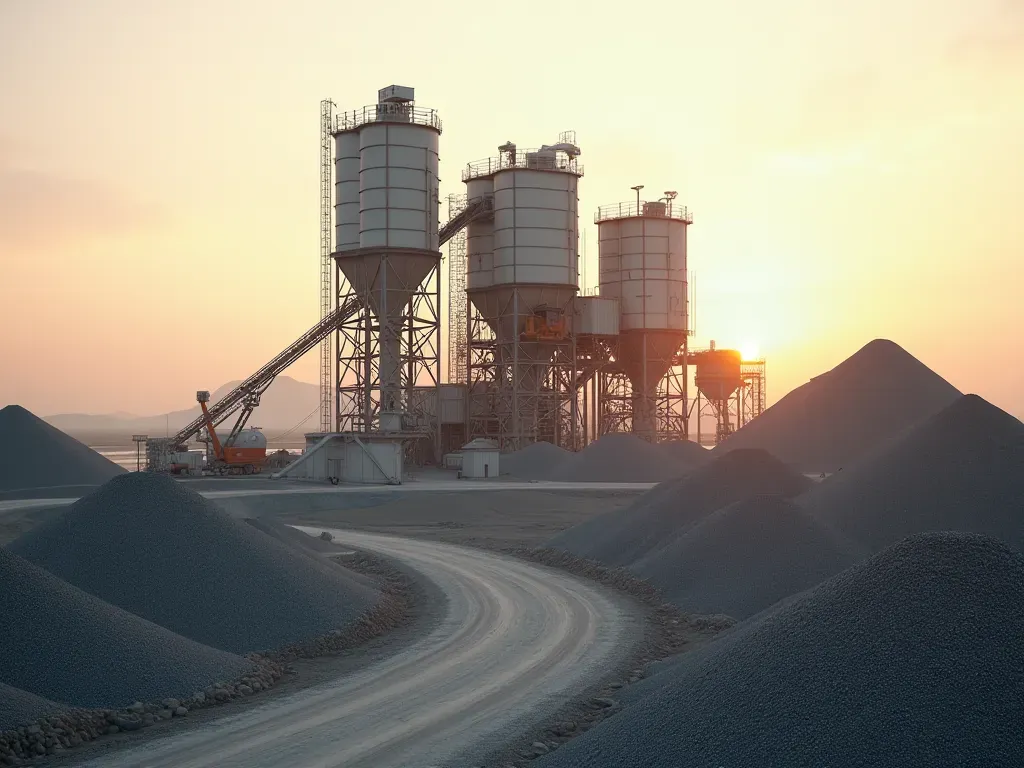
The Approval Trap Nobody Talks About
You think the numbers matter. They do. But there’s a ghost in your machine.
Lenders pull your credit score. They verify your income. Then they land on a line item you probably never gave a second thought to.
I’ve watched projects grind to a halt because concrete delivery showed up three days late. Not three weeks. Three days.
And three days is all it takes to eat through a contingency budget. It’s also enough to make a lender uneasy.
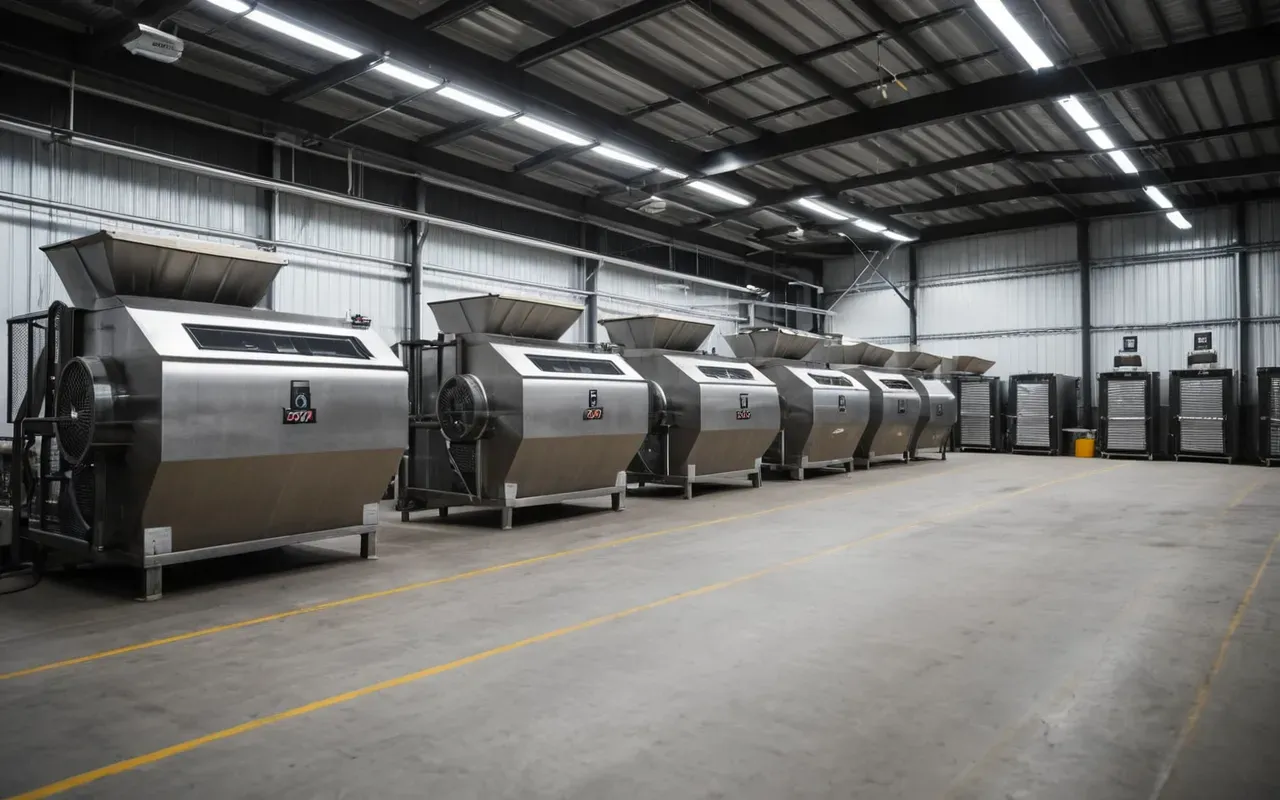
Why Lenders Fear the Invisible Cost of Concrete Delays
Construction loans are short-term creatures. Usually a year. You pay interest only until the work wraps.
If your timeline slips, that interest keeps ticking. Your budget tightens. The lender’s exposure climbs.
Here’s the part nobody says out loud. Lenders understand that concrete is the most fragile material on any site.
You can’t stockpile it. It sets fast. One bad batch can torch an entire day’s progress.
That’s why your supplier matters far more than the sticker price per tonne. What counts is the reliability of their batching plant.
The Supply Chain Blind Spot in Your Budget
Most builders quote a flat rate for materials. They don’t price in the unpredictability of delivery.
If a batching plant hits a sensor glitch or a clogged hopper, the trucks stop rolling.
We’ve seen it play out on sites everywhere. Crews standing around. Waiting. Getting paid to do nothing.
That idle time is pure loss. Labor costs keep stacking up even when the structure isn’t growing.
Lenders see this pattern in their own data. They know exactly where the weak links hide.
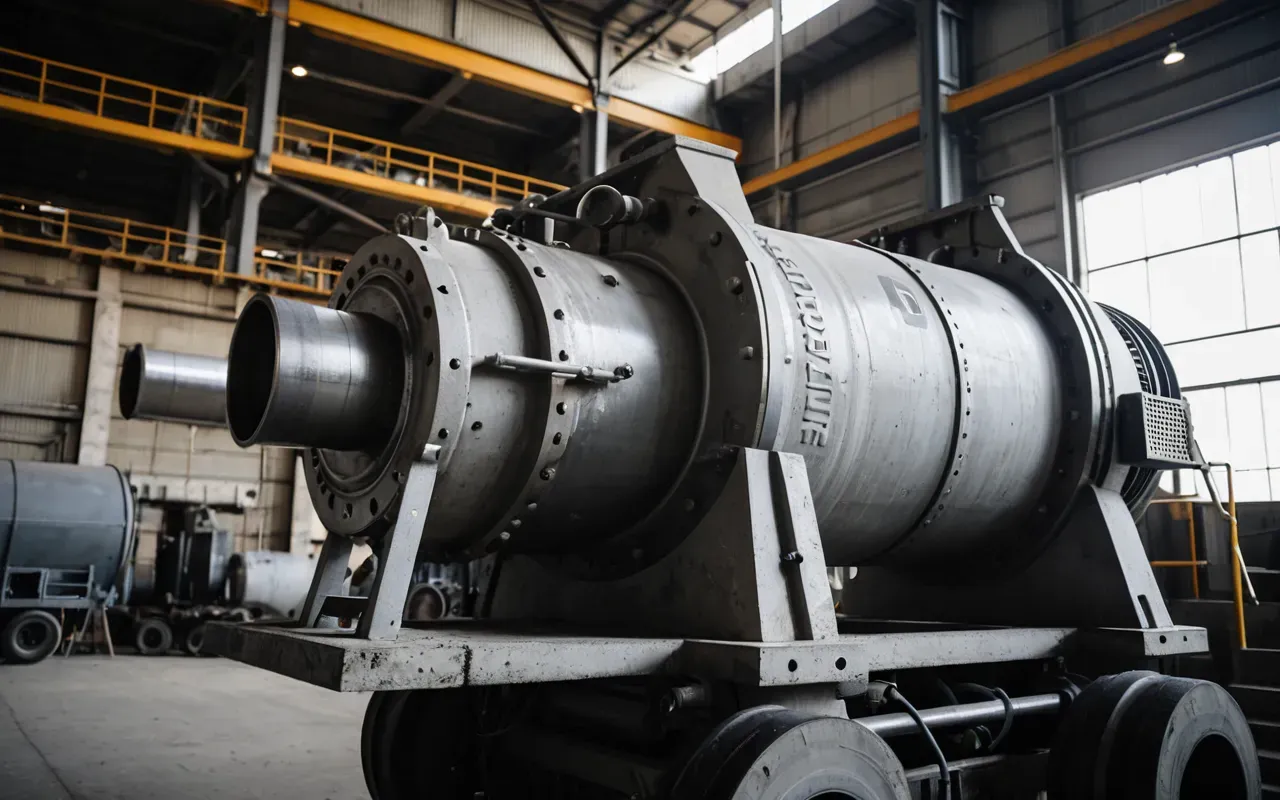
How Batching Plant Efficiency Changes Your Loan Terms
Efficiency isn’t just about moving fast. It’s about being consistent.
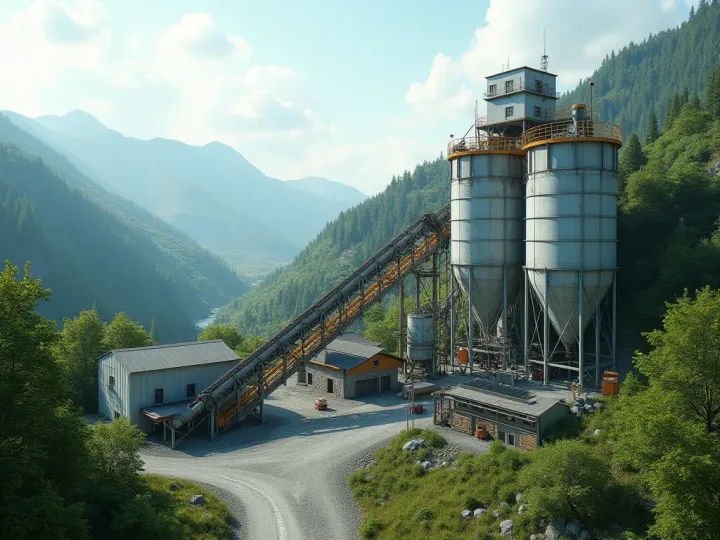
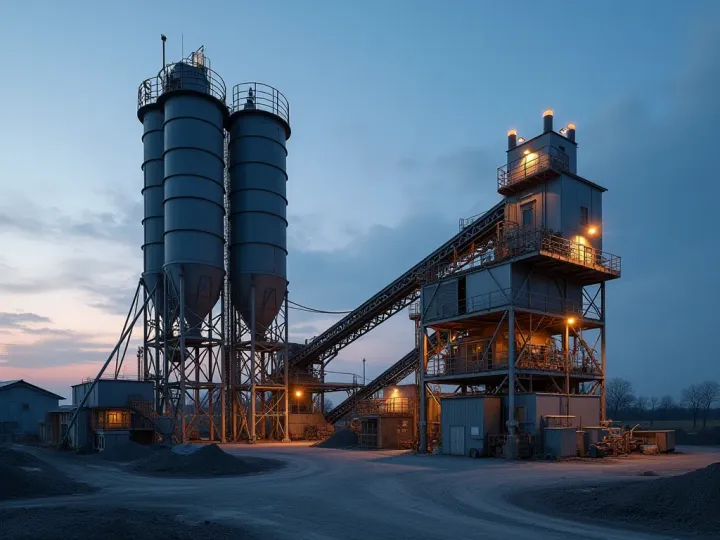
A well-maintained dry concrete batching plant delivers the same mix, batch after batch.
A neglected one breeds waste. It breeds delays. And it breeds doubt.
The Hidden Cost of Inefficient Mixing Systems
Waste is the quiet killer. If the plant over-mixes or under-mixes, you’re burning money on every load.
That wasted material could’ve funded a week of labor. Or an extra window unit.
When a lender reviews your project budget, they hunt for these hidden leaks.
If your supplier has a track record of waste or inconsistency, the lender will build that into their calculation.
That might mean a steeper interest rate. Or a bigger down payment requirement.
The Real Reason Your Supplier Matters More Than You Think
You’re not just buying concrete. You’re buying reliability.
A supplier running modern batching technology drops your risk profile in a meaningful way.
They can monitor mix consistency. They can forecast delivery windows with real precision.
That kind of transparency is exactly what lenders want to see. It signals the project is under control.
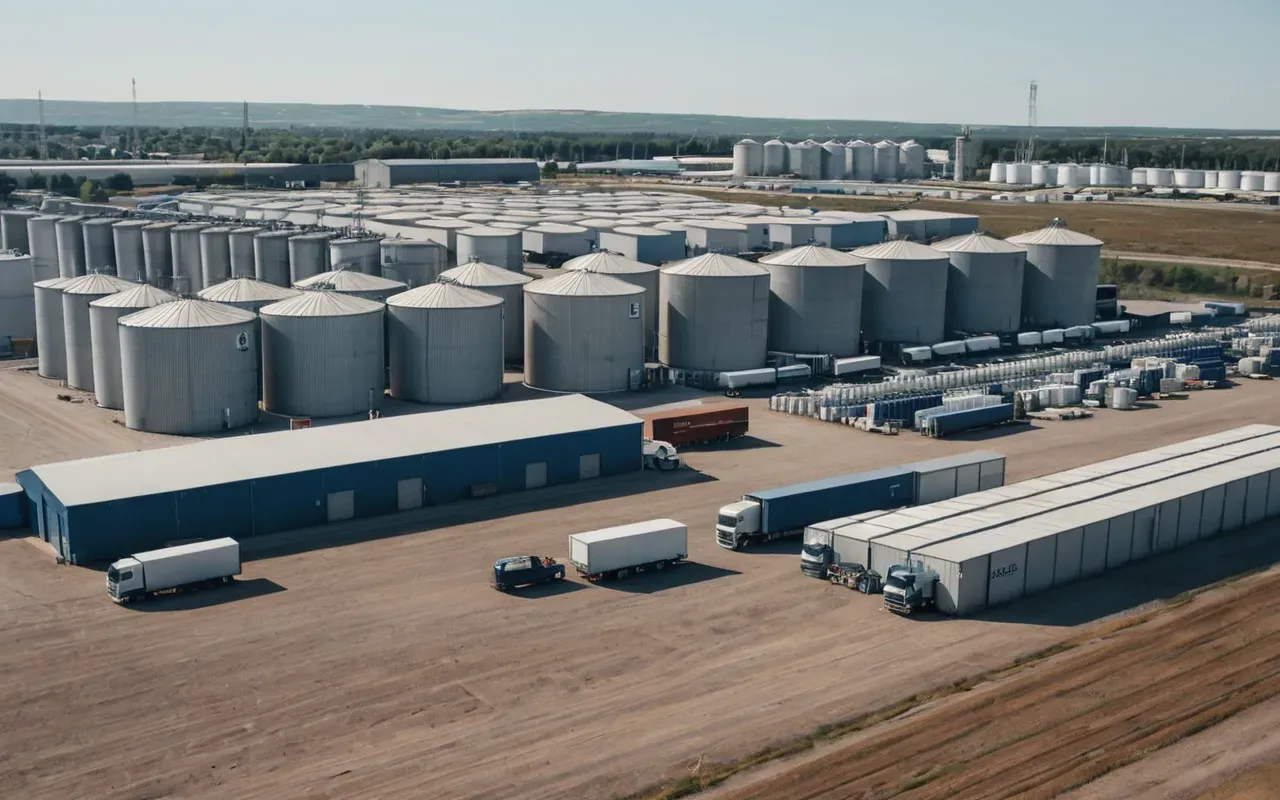
What This Means for Your Next Project Budget
Stop obsessing over price per tonne. Start weighing the cost of delay.
If your supplier’s batching plant is outdated or poorly kept, you’re quietly absorbing extra risk.
And that risk carries a price. It’s buried in your interest rate and your approval conditions.
I’ve watched builders lose their financing over a cheap supplier decision.
They saved a few thousand on materials. They forfeited the entire project.
How to Protect Your Loan Approval with Smarter Sourcing
Ask your supplier about their batching plant technology. Ask how they maintain it.
Ask for six months of data on their mix consistency.
If they can’t produce that information, consider it a red flag your lender will definitely notice.
A reliable supplier with efficient maintenance schedules will show you their commitment to quality without hesitation.
That level of detail separates a smooth approval from a flat denial.
The Bottom Line for Builders and Borrowers Alike
Your concrete supplier is part of your financial profile. Don’t ignore it.
Lenders are sharp. They see risk where you don’t.
If you want a clean approval and a build that actually finishes, choose your supplier with care.
Look for efficiency. Look for consistency. And never underestimate what a well-run batching plant can do.
Next time you sit down with your lender, bring this context. It just might save you thousands.
Your project’s success doesn’t rest on your credit score alone. It rests on the concrete under your feet.
Comments ()