The $980,000 bet that is quietly rewriting how remote regions build
The $980,000 bet that is quietly rewriting how remote regions build
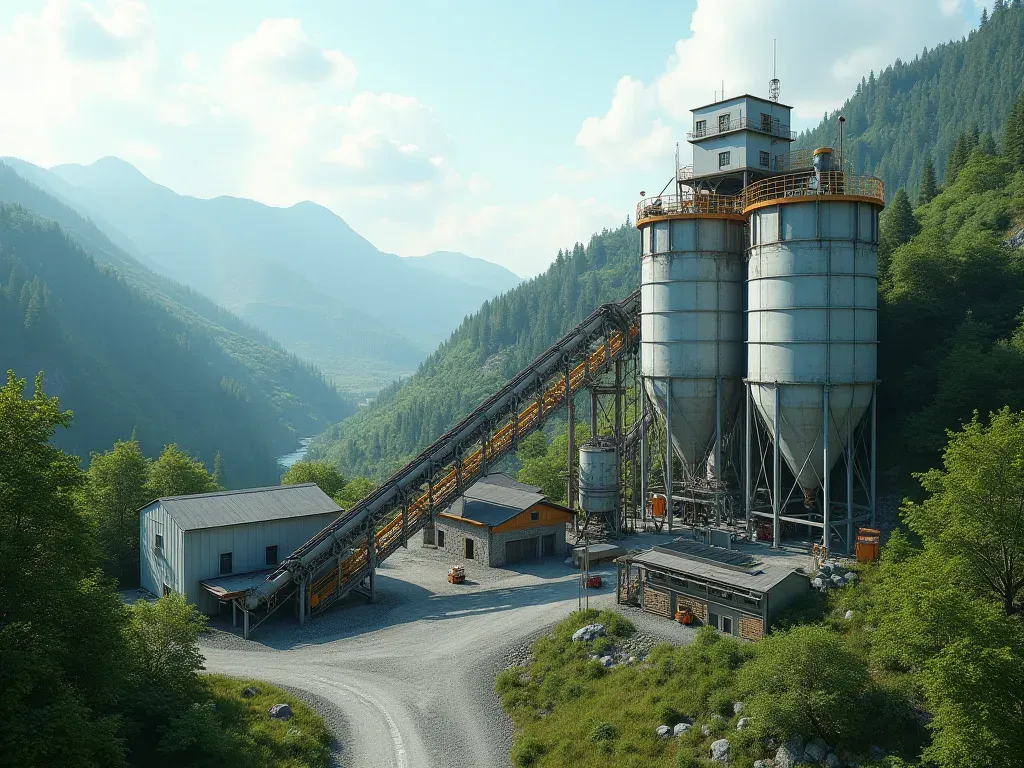
Most people picture building in a remote valley and think it’s all about hauling trucks up winding roads. They’re wrong. A brand-new facility just opened nearby, and its whole philosophy is the opposite of that.
The machine itself costs $680,000. Setup? Another $300,000. That puts the total at nearly a million dollars.
Now, that number looks absurd if you’re only staring at the price tag. But it starts to look like a bargain the second you calculate fuel and labor for hauling in imported concrete.
Why local mixing beats the long haul every single time
Concrete is heavy, and it sets fast. Shipping it any real distance is a logistical nightmare that quietly eats budgets alive.
A local plant strips out the transport variable altogether. It also hands nearby residents something they can build on: skilled jobs.
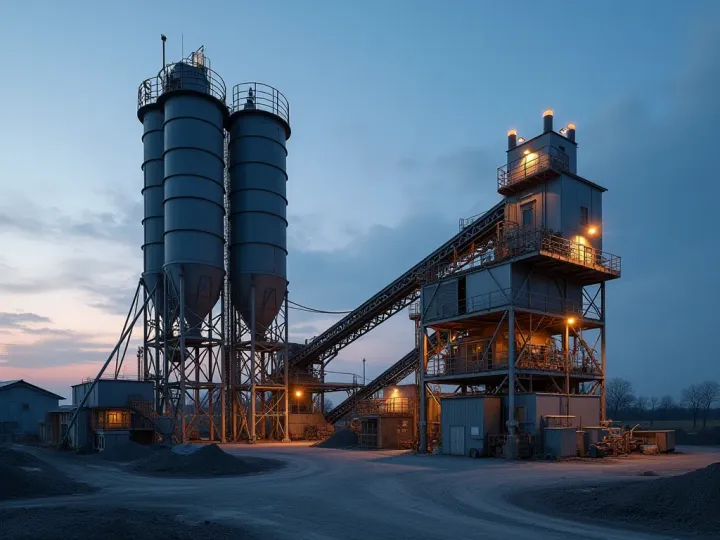
This particular facility can feed up to sixteen mixer trucks per hour. For a remote area, that’s serious throughput.
The hidden cost of ignoring local manufacturing capacity
Here’s the catch with every project that leans on outside suppliers: you’re carrying hidden risk. Weather stalls trucks. Prices spike without warning.
Local production steadies the whole supply chain. It hands developers a reliable partner instead of a distant vendor they can’t control.
But this isn’t just about concrete. It’s about economic resilience and community growth in a specific region, at a specific moment.
How the partnership structure changed everything for stakeholders
The plant is a joint venture between two local entities. One brings the technical expertise; the other brings the capital.
And that model matters. It keeps profits inside the community and creates a sense of ownership that an external company rarely earns.
Two local residents were hired the day it opened. More roles are coming as production ramps up.
The technology behind a high-output dry batching system
A modern batching plant isn’t just a giant mixer. Honestly, it’s more like a precision instrument, measuring raw ingredients to exact specs.
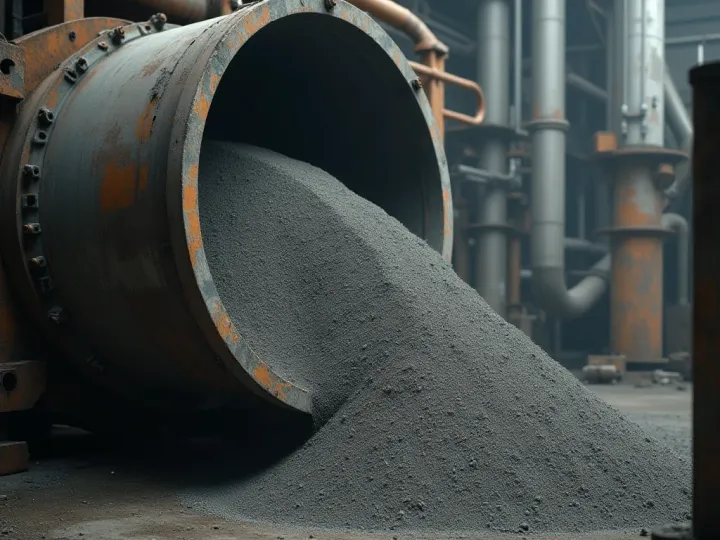
The system blends sand, gravel, water, and cement to produce fresh concrete on demand. Consistency is everything when structural integrity is on the line.
The machine was manufactured specifically for this site. It’s built to cope with the local climate and the material conditions out here.
Why precision mixing matters for long term project success
Even a tiny error in the mix ratio can snowball into costly failures years down the road. Precision is what prevents those expensive mistakes.
A dependable plant cuts waste and tightens quality control on every project it serves in the area.
So it’s no surprise serious developers are starting to treat local manufacturing as a core strategy, not an afterthought.
What this means for the future of regional construction projects
And this plant isn’t a one-off. It’s one of several planned for the region, which signals a broader shift toward localized production.
Developers can now sketch out larger projects with real confidence. The distant logistics bottlenecks they used to dread are simply off the table.
The community gets jobs and economic activity. The environment gets fewer transport emissions. Everyone gets something.
This is a win-win scenario, and other regions should be studying it closely as they plan their own infrastructure needs.
The strategic advantage of owning your supply chain locally
Owning a local plant gives you direct control over quality and delivery timing. It strips away most of your dependency on external factors.
It also opens the door to custom mixes, tailored to a specific project, without the long lead times or extra costs of ordering from afar.
That level of control is a serious competitive edge for any construction company operating in the region.
The real story is about community empowerment and economic independence
Look, this plant is more than a machine. It’s a symbol of local capability and economic self-sufficiency.
By producing materials locally, the community keeps value that would otherwise bleed out to outside companies.
And that builds trust. It creates durable, long-term relationships between developers and the local workforce.
In the end, it’s a sustainable growth model that benefits everyone in the area’s construction ecosystem.

Comments ()