The lawsuit hiding in plain sight that could bankrupt your concrete business overnight
The lawsuit hiding in plain sight that could bankrupt your concrete business overnight
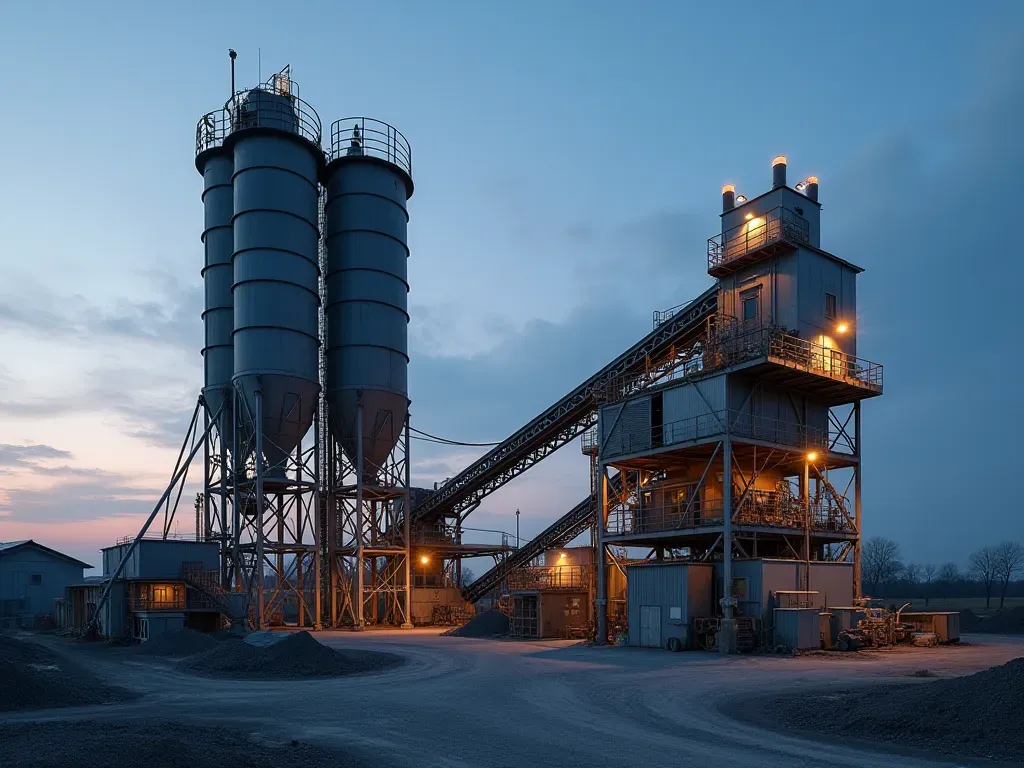
A Dallas Park Board vote to oppose batch plants near parks has exposed a hidden legal minefield. Operators in northwest Dallas are already fighting the city over permits for what they considered lawful operations.
The story is not just about one golf course getting flooded. It is a warning shot for every batching plant operator who assumes that building to code means they are safe from future enforcement actions.
City officials say two plants on Luna Road were operating without proper permits for batching. The operators deny this claim and argue they had nonconforming rights under older zoning rules.
The legal quagmire involves a 2022 law that changed how batching is regulated. Before then, only crushing operations required specific permits under city code.
This distinction matters because it determines whether batching is an accessory use or a primary operation. That single classification could decide the outcome of these lawsuits.
I have seen plenty of businesses caught in exactly this type of regulatory gap. The difference between a minor fine and total shutdown often comes down to one technical detail nobody thought about.
In Dallas the stakes are concrete. Literally. The plants in question have been cited for over twenty violations ranging from illegal land use to structural issues with walls and roofs.
The Texas Commission on Environmental Quality also penalized operators for failing to maintain proper records about emissions and maintenance activities over more than one hundred days.
Why this changes more than people think for every batching plant operator in the country
Here is what most industry coverage misses. This is not a local zoning dispute that stays in Texas. The legal principles being tested here will likely be cited in cases across the country.
When a city successfully argues that batching is separate from crushing for permit purposes it creates precedent. Other municipalities will watch these court filings closely and copy whatever arguments work.
The Dallas case shows how quickly a business can go from fully operational to facing an injunction. The city is asking courts to stop batching operations until new permits are obtained.
That means a plant could be shut down for weeks or months while its permit application sits in queue. For operators running tight margins that kind of downtime is potentially fatal to the entire business.
Think about your own operation for a moment. Are you certain every single component of what you do falls under one clear permit category? If not the Dallas lawsuit is happening to someone just like you right now.
The operators in this case had permits for crushing. They believed batching was an accessory activity that did not require separate authorization under their existing certificates of occupancy.
City attorneys argue the opposite. They say batching is a distinct industrial process that was never covered by those permits and therefore constitutes an illegal operation from day one.
The floodplain connection nobody is talking about but should be worrying about right now
There is a second thread in this story that gets almost no attention. The Luna Road area sits within the Elm Fork floodplain and park officials claim flooding has worsened year after year.
Park board member Tim Dickey says multiple golf course holes get flooded regularly. The city has to spend taxpayer money every season to repair the damage and make the facility usable again.
This creates a powerful political weapon for opponents of batch plants. Even if an operator has every legal permit in the world visible flooding at a nearby park can turn public opinion against them permanently.
I have been in conversations with operators who did not realize that their proximity to a park could become a liability years after they were approved. The Dallas case shows how fast that dynamic can shift.
City planners suggested adding vegetative buffers between the industrial sites and parkland. That is a small concession but it signals that officials are building their case for stricter controls over time.
The hidden cost of silence in your facility that most operators never calculate properly
Let me be direct about something the industry does not discuss enough. The true cost of a permit dispute is not just the legal fees or potential fines.
It is the lost revenue during shutdowns. The damaged relationships with customers who start looking for alternative suppliers. And the reputational hit that follows your name in local media coverage.
If you have been reading about the hidden cost of silence in South St Paul's newest concrete plant then this Dallas story should feel painfully familiar to your business strategy.
Operators who stay quiet about their permit status until someone files a complaint are playing the most dangerous card in this game. The city of Dallas proved it can move quickly once it has documentation.
The Weir Brothers Contracting team received citations in late October of last year. By July the following year they were being sued by city attorneys over what was alleged to be an illegal batching operation.
That timeline is faster than most operators expect. And it happened to a team that had been in business long enough to believe they understood every rule governing their facility.
What the nonconforming rights argument actually means for your bottom line this year
The defense in these cases rests heavily on a legal concept called nonconforming rights. In simple terms it means that if your operation was lawful when you started but later becomes technically out of compliance with updated zoning rules the city cannot simply shut you down.
That sounds like a shield but it is actually a very thin one. A 2023 state law added protections for industries caught in this exact situation and gave them the right to seek compensation if they are forced out of business by municipal action.
But here is the catch that operators miss. You only get those protections if your facility was found to be harmful and at the brink of closure because of a specific municipal action. Proving both conditions in court takes years.
During those years you are still paying legal fees and losing revenue. The compensation claim is a backstop not a business plan.
I have spoken with operators in other states who went through similar disputes. The ones that survived were the ones who had documented every permit application and public hearing from day one of their operation.
The ones that struggled were the ones who assumed their verbal understanding with a building inspector was enough to cover them if things ever went wrong.
Who wins and who loses in this regulatory shift that is quietly reshaping the industry landscape
Let us be clear about who benefits from this fight. The Dallas Park Board and the city attorneys are building a track record of successfully challenging batch plant operations near sensitive properties.
Every case they win strengthens their hand in the next one. They are learning which arguments hold up and which do not while operators bear all of the financial risk of losing.
The losers are obvious. They are the smaller operators with limited cash reserves who cannot afford a two year legal battle while their facility sits idle and customers walk away to competitors.
The winners are the well-capitalized operators who can weather a temporary shutdown and come back stronger. They have the financial cushion to fight in court while their competitors are bleeding money.
And there is a third group of winners that nobody talks about. They are the manufacturers who sell compliance upgrades to struggling operators in crisis mode.
When a plant gets hit with an injunction, the owner will typically buy whatever equipment or software the salesperson pushes hardest. That's when the real reason your concrete batching plant manufacturer matters more than the machine becomes painfully obvious.
But supplier choice isn't really about output volume or price per unit. It's about whether that manufacturer will actually stand behind you when a city attorney calls demanding proof of your environmental controls.
The backstory the Dallas News skipped that explains why this fight is about to get much bigger everywhere else too
Most of the coverage on the Dallas case zeroes in on the park board vote and the specific violations at Luna Road. That misses a much bigger pattern unfolding across the country right now.
Communities near industrial sites are organizing in ways they simply never did before. Social media turns a single flooding event at a golf course into a viral story that city officials can't ignore.
In Dallas, the Park Board had fifteen members, and they voted unanimously to oppose any new permits. That kind of institutional opposition is a massive escalation compared to one angry neighbor complaining at a public hearing.
The timing matters too. This vote came just as the city was approving another specific use permit for a crushing facility on a twenty-one-acre site east of the golf course.
That approval shows how inconsistent the city has been. One site gets a permit while neighboring sites get sued for allegedly doing something similar.
And that inconsistency is exactly what makes the legal situation so dangerous. Operators can't plan their investments when the rules seem to shift depending on who happens to be on the city council that day.
The environmental enforcement angle that could double your compliance costs before you even sign the permit application
TCEQ found eleven violations spread over one hundred and three days at the Luna Road facility. The fines were modest — twenty-seven thousand five hundred dollars — but that's only the beginning of the real cost.
Those violations were about record keeping. Missing paperwork for emissions events, maintenance schedules, and dust suppression activities. None of that required expensive new equipment.
But here's the lesson. If a state agency can cite you for missing documents about routine maintenance, imagine what happens when they find an actual emission event that was never properly logged.
The penalty structure for intentional violations or repeated failures is an entirely different level of financial exposure. And once a plant has one enforcement action on its record, every future inspection gets more scrutiny.
Operators who treat Texas lawmakers just forced a change that could make every concrete plant rethink its dust control forever as a one-time expense are making the most expensive mistake in their entire business strategy.
Dust control isn't just about keeping neighbors happy. It's a legal requirement that can be enforced with penalties if your documentation doesn't show you're doing it properly every single day.
What operators must do differently starting this quarter to protect themselves from the next wave of enforcement actions coming their way
First and most importantly, stop assuming your current permits cover everything you do. Sit down with a regulatory attorney who specializes in industrial zoning and walk through every single activity at your facility.
Write down exactly what you do. Mixing cement with water and crushed stone is batching. Breaking up existing concrete structures for recycling is crushing. These are different activities under city code in Dallas — and likely in your jurisdiction too.
Second, build a complete compliance file that you can produce within twenty-four hours if a city inspector or attorney asks for it. Every permit application, every public hearing transcript, every correspondence with regulators goes in one place.
Third, start a relationship with the people who enforce these rules before you need them. A quick phone call to your local building department asking about their current interpretation of batching versus crushing is free and could save you hundreds of thousands in legal fees later.
Fourth, consider whether your location near a park, school, or residential area is creating political risk you aren't pricing into your business model.
The Dallas case shows how quickly a local political group can turn environmental concerns into legal action. If your plant is within sight of any publicly owned green space, you're in the crosshairs and need to plan accordingly.
Fifth and finally, invest in documentation systems that make compliance automatic rather than something you remember to do at the end of each week.
If your records depend on one person remembering to file a maintenance log every Friday, then you're one vacation or illness away from the same enforcement action that hit the Luna Road operators.
The Dallas Park Board vote was a local story. But the legal principles it set in motion are national. The operators who treat this as someone else's problem will be writing checks to defense attorneys while their competitors keep producing.
The cost of acting now is a fraction of the cost of reacting later. And the question is not whether enforcement will tighten across the industry this year. It already has — in multiple jurisdictions.
The only question left is whether you'll be the operator who was ready, or the one explaining to your customers why their concrete delivery is going to be late again this month.

The final word on why staying quiet about your permit status is the most expensive decision you can make as an operator right now
I've covered enough of this story to know one thing for certain. The operators who lost in Dallas didn't lose because they were doing anything inherently wrong with their equipment or processes.
They lost because the legal classification of what they were doing became contested, and nobody had built a defensive record strong enough to prove their position before it was too late.
The park board vote in northwest Dallas is the headline. But the real story is the quiet accumulation of risk that happens when operators assume their permits will mean the same thing five years from now as they did today.
They don't. And in a city like Dallas, where the legal machinery is already moving against specific facilities, that gap between assumption and reality can cost you everything you've built.
So here's my honest take after reading through all the filings and reporting on this case. Don't wait for a citation to arrive in your mailbox before you start asking questions about what your permits actually cover.
Ask now. Document everything. Build the file that makes a city attorney think twice before filing suit because they can see you've been operating in full compliance from day one.
That file is the single most valuable asset your business owns — and it costs almost nothing to create if you start today instead of waiting for a lawyer's letter to arrive on a Monday morning.
The Dallas story isn't over. The lawsuit was reopened in November after a brief dismissal, and more cases are expected to come before the City Plan Commission this year.
Every ruling in those cases will be read by operators and attorneys across the country. The principles being established right now on Luna Road are going to shape how batching plants operate everywhere for the next decade.
The question isn't whether this will affect your business. It already has — if you're anywhere near a residential area or public park and have batching equipment on site.
The only question that actually matters is simple: are you the one scrambling to call your lawyer after the fact, or the one who walks into the hearing already knowing exactly where you stand — file in hand, no surprises?
Comments ()