Why a 60 cubic meter plant is actually a threat to your existing concrete suppliers
The quiet killer in the local concrete market is here
You think you're buying concrete. You're not. You're buying a risk premium paid to inefficient logistics.
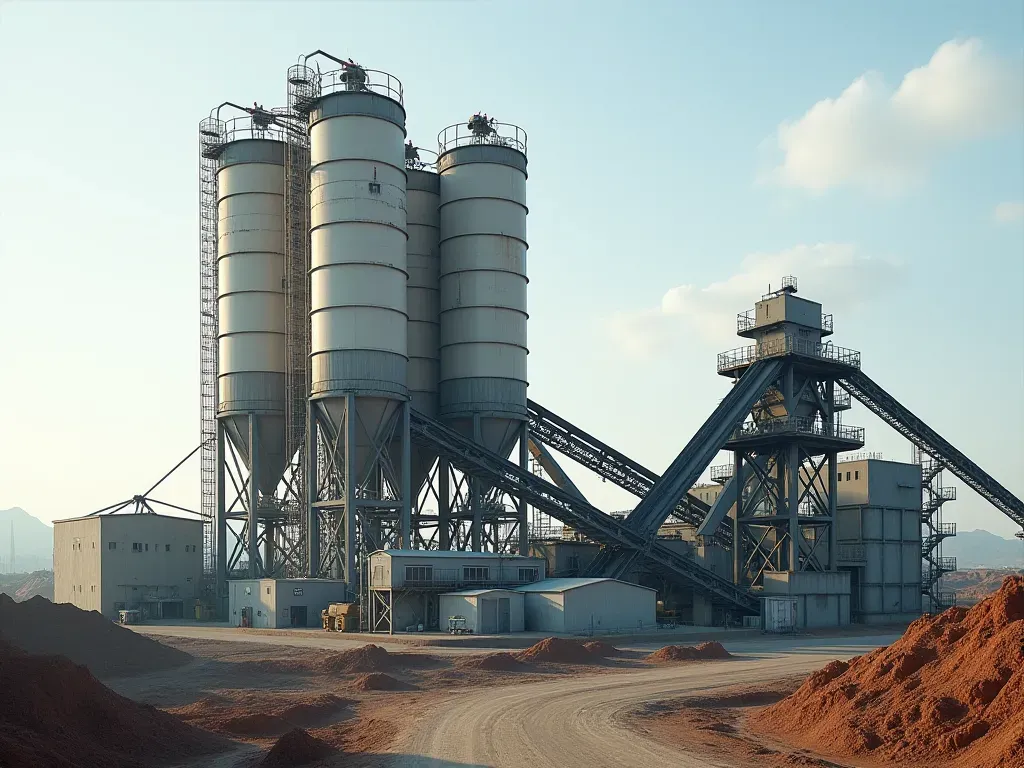
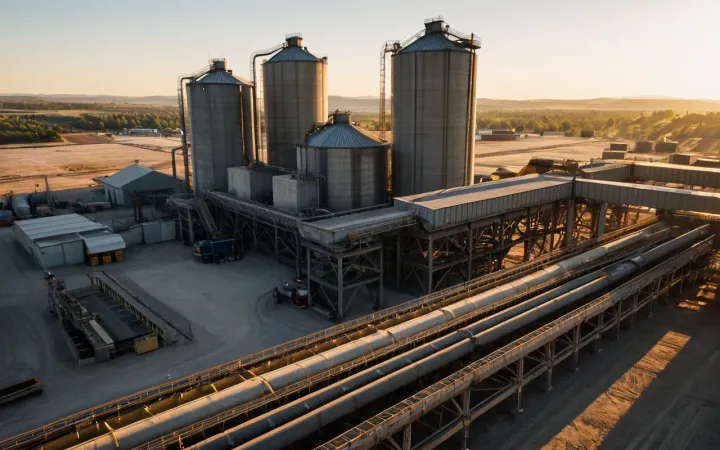
Filinvest Land just dropped over 200 million pesos into a new facility in Calamba. It cranks out sixty cubic meters every hour.
That's not just another factory. It's a weapon aimed straight at every independent mixer in the region.
Vertical integration changes the math of construction costs
Here's the thing nobody talks about. When a developer controls both the building and the materials, they eliminate the middleman entirely.
Traditionally, you pay for the mix. Then you pay a delivery fee. Then you pray it doesn't segregate before pouring.
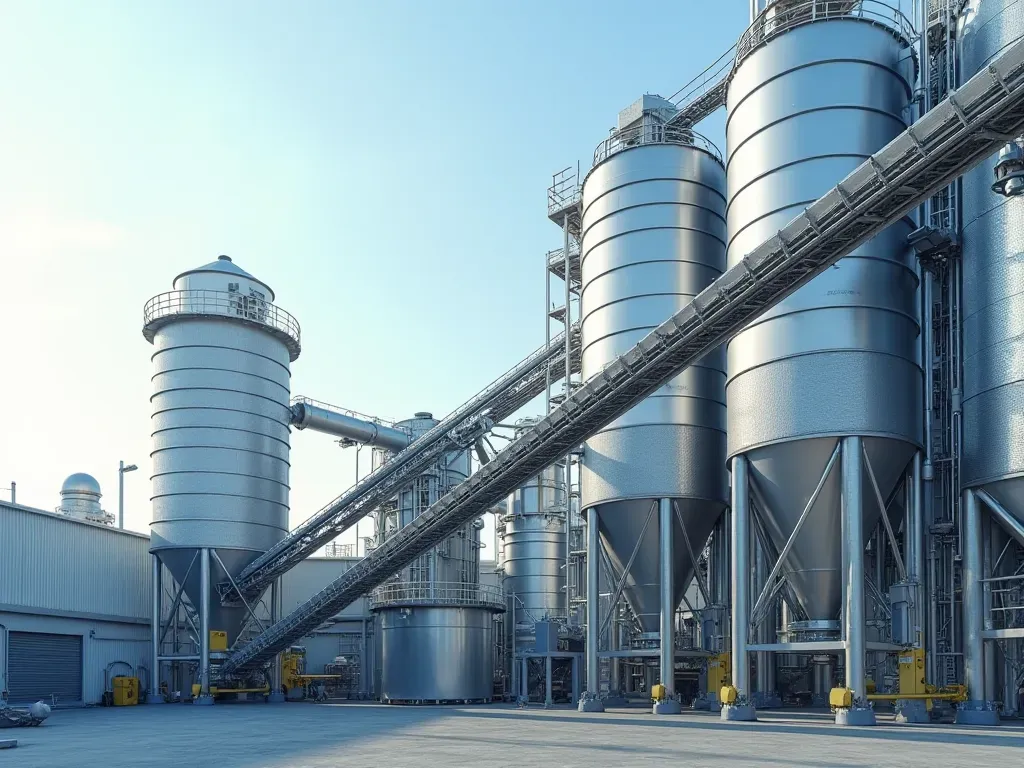
With an on-site plant generating ninety thousand cubic meters a year, those costs vanish. The margin that used to feed three separate businesses now stays inside one pocket.
Who wins in this new supply chain structure
The developer wins. Obviously. They get cheaper inputs and faster delivery times for their own projects.
But the real winner is the local economy, in a weird way. Three hundred new jobs were created overnight.
Those aren't just factory workers. They're drivers, technicians, and engineers who now have stable income in Calamba instead of migrating to Metro Manila.
The environmental angle that hides a massive efficiency secret
Filinvest claims this plant is eco friendly. They say it recycles waste and produces no noise or air pollution.
I was struck by how bold that claim is for heavy industry. But the technology behind dry batching makes it plausible.
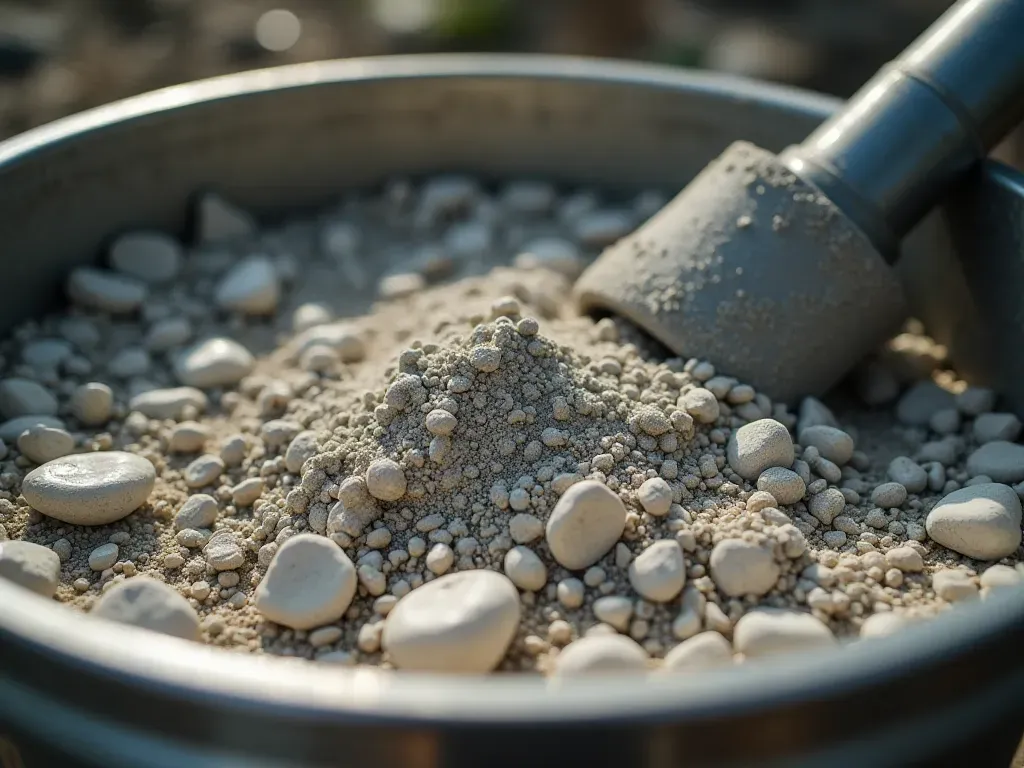
When you mix dry powder on site rather than transporting wet slurry, the water content drops dramatically. That means less splashing and less waste.
Why this matters for your next building project timeline
If you're a contractor reading this, feel the pressure. Your suppliers just became your competitors.
The plant can feed projects in Cavite, Bulacan, and even Metro Manila. That's a massive radius for a single source.
If you're curious about how dry mix systems compare to traditional wet batching, the data is starting to favor efficiency heavily.
The ripple effect on independent concrete manufacturers
Small batch plants in the area will feel this first. They can't match the scale of ninety thousand cubic meters annually.
They also can't match the quality control. A centralized facility with automated dosing will outperform a manual mixer every single time.
This forces the entire market to lower prices. That sounds good for buyers, but it squeezes out the small players who can't survive on thin margins.
What this means for long term infrastructure stability
When one company controls a large share of the supply chain, there's less diversity. If that plant breaks down, an entire region feels it.
However, the reliability of a large automated system is generally higher than five small unreliable ones. It's a trade off we're still learning to value.
If you want to understand the hidden flaws that often cause small plants to fail, this new model actually addresses many of them through scale.
The strategic location that changes regional logistics forever
Calamba isn't just a town. It's the crossroads of four major provinces and Metro Manila.
A truck leaving this plant can reach five different major markets in a single shift. That's logistical gold.
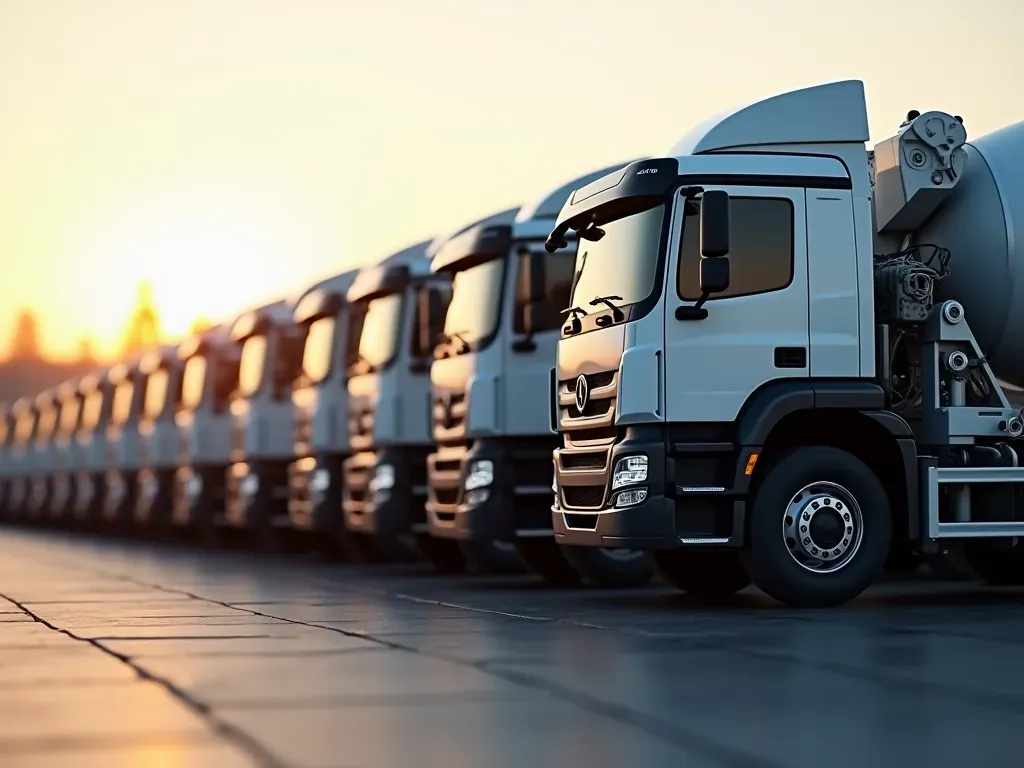
This reduces the average distance for every delivery. Less travel means less fuel burn and fresher concrete at the site.
How contractors can adapt to this new competitive landscape
You can't compete on price anymore. You have to compete on speed and service.
If you can guarantee a pour within two hours of order while the big guys are batched and waiting for trucks, that's your edge.
Specialized mixes are also a way out. The big plant makes standard grades. You can make high performance or decorative concrete they don't bother with.
The final verdict on this shift in power dynamics
Filinvest didn't just build a plant. They built a moat around their own operations.
For the rest of us, it's a wake up call. The era of inefficient middlemen in concrete supply is ending fast.
If you're still relying on outdated batching methods, now is the time to look at modern dry mix alternatives before your competitors do.
The market is tightening. Only the efficient will survive this next wave of consolidation.

Comments ()