The Hidden Power of Maintenance to Unlock the Full Potential of Dry Concrete Batching Plants

Why Maintenance Is the Most Underestimated Tool in Concrete Plant Performance
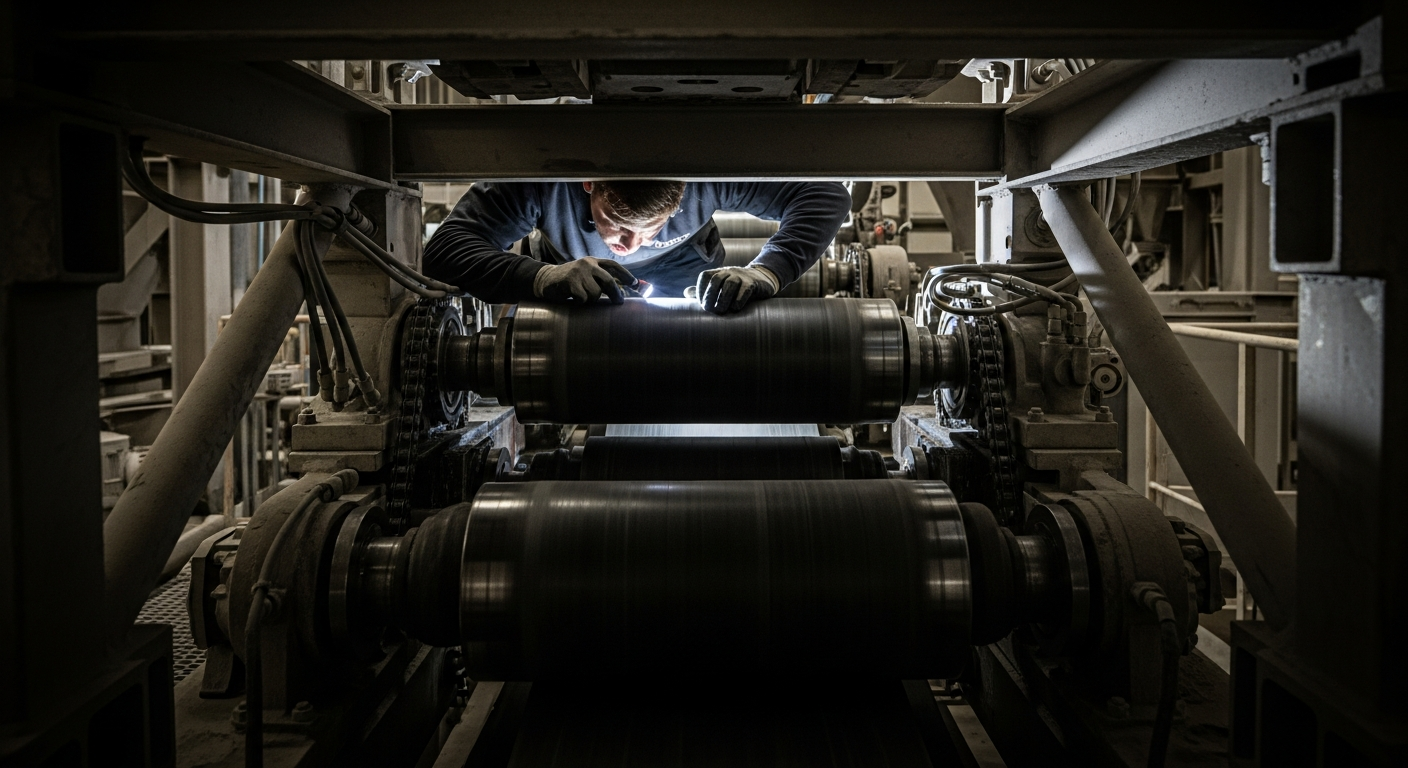
The common misconception that maintenance is merely a routine chore rather than a strategic driver for efficiency stifles many construction operations. In reality, well-planned maintenance can be the decisive factor in elevating a dry concrete batching plant from performing adequately to excelling at peak capacity. Many plant managers focus solely on immediate output or initial setup costs, overlooking how neglecting preventive care can cause invisible yet costly operational setbacks. For instance, clogged mixers, worn-out wear plates, or misaligned conveyors might seem minor but can cumulatively result in significant downtime, resource wastage, or even catastrophic equipment failure. This hidden factor underscores why proactive maintenance is less about fixing issues as they appear and more about anticipating failures before they happen, saving both time and money in the process.
Debunking the Myth that Maintenance Is a Cost, Not an Investment
Many believe that maintenance is an added expense that cuts into profits. However, this perspective fails to consider the much larger costs associated with unplanned breakdowns or reduced plant lifespan. Data across the industry show that for every dollar spent on preventive maintenance, maintenance costs can decrease by multiple dollars in repairs and lost productivity. A meticulously maintained dry concrete batching plant not only reduces emergency repairs but enhances overall output quality, ensuring consistent concrete mixing and delivery. This shift from reactive repairs to preventive care transforms maintenance from a dreaded expense into a strategic investment that underpins operational resilience and financial health. Truly, maintaining equipment proactively is a form of modern risk management that pays for itself over time.
Inside Secrets of a Maintenance Program That Keeps Plants Operating at Full Tilt
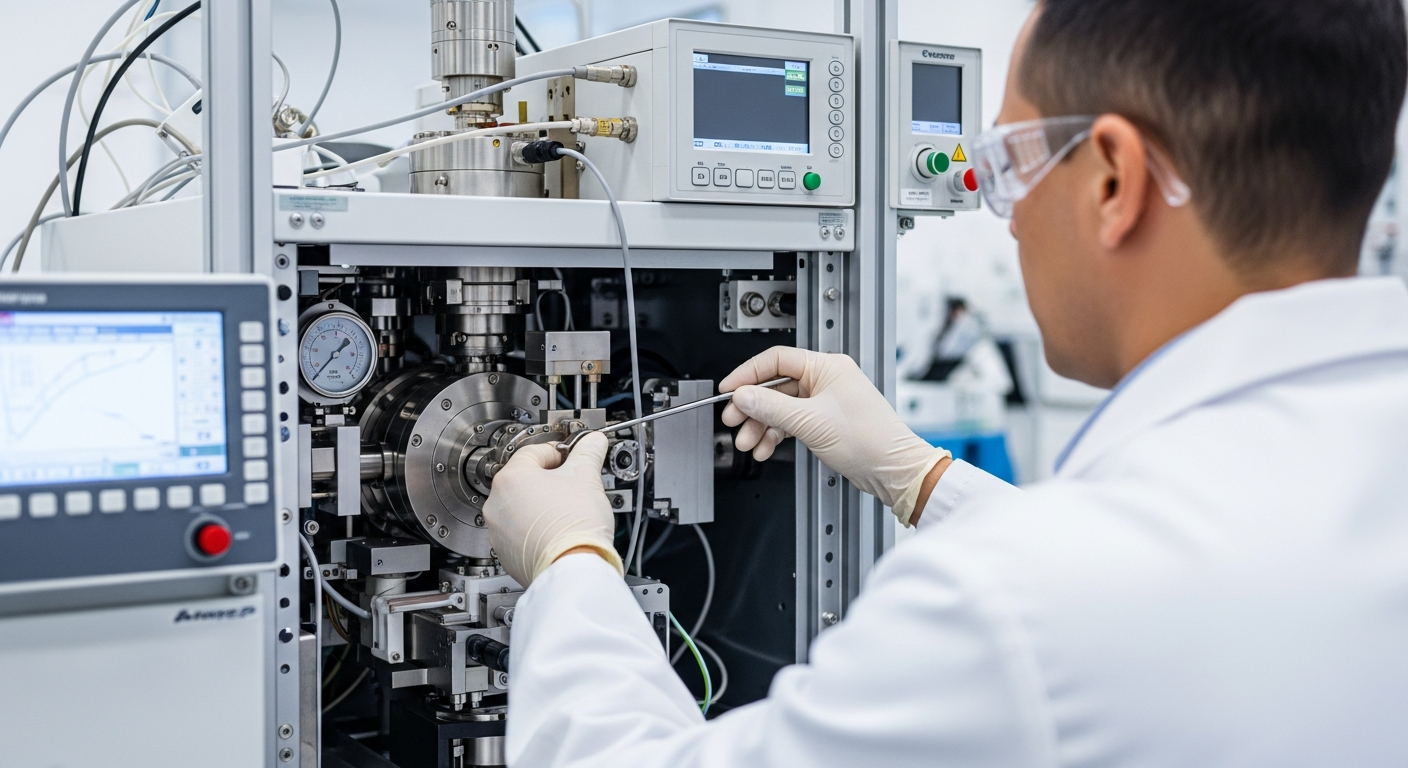
Successful dry concrete batching plants rely on maintenance programs tailored to their specific equipment and operational demands. This includes routine lubrication, timely replacement of wear parts, calibration of measurement systems, and detailed record-keeping. Interestingly, many industry insiders swear by predictive analytics—using sensor data to forecast potential failures before they happen. Such advanced monitoring enables operators to schedule maintenance precisely when needed, minimizing downtime and maximalizing throughput. Moreover, establishing an institutional culture that prioritizes regular checks and personnel training turns maintenance into a shared responsibility rather than solely a managerial obligation. As a result, plants that embed such comprehensive programs unsurprisingly outperform those that neglect these silent pillars of efficient operation.
Leveraging Maintenance for Longevity That Surpasses Industry Averages
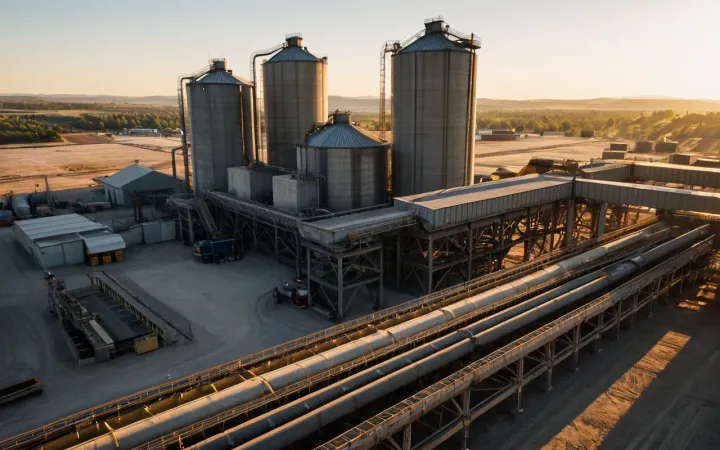
In the fast-paced world of construction, longevity of dry concrete batching plants can be the differentiator between a project’s success and costly delays. The secret isn’t simply choosing heavy-duty equipment but maintaining it through consistent, targeted care—especially for critical components like mixers, silos, and control systems. For example, regular inspections for corrosion, systematic cleaning routines, and even using nano-enhanced protective coatings can drastically extend a plant’s lifespan. Industry leaders who adopt these practices often report their equipment enduring well beyond the typical 10-15 year lifespan, thereby lowering total cost of ownership and providing a competitive edge. This proactive approach to maintenance empowers companies to amortize investments efficiently, turning their equipment into enduring fixtures rather than disposable assets.
The Future of Maintenance in Construction Equipment Is Smarter and More Sustainable
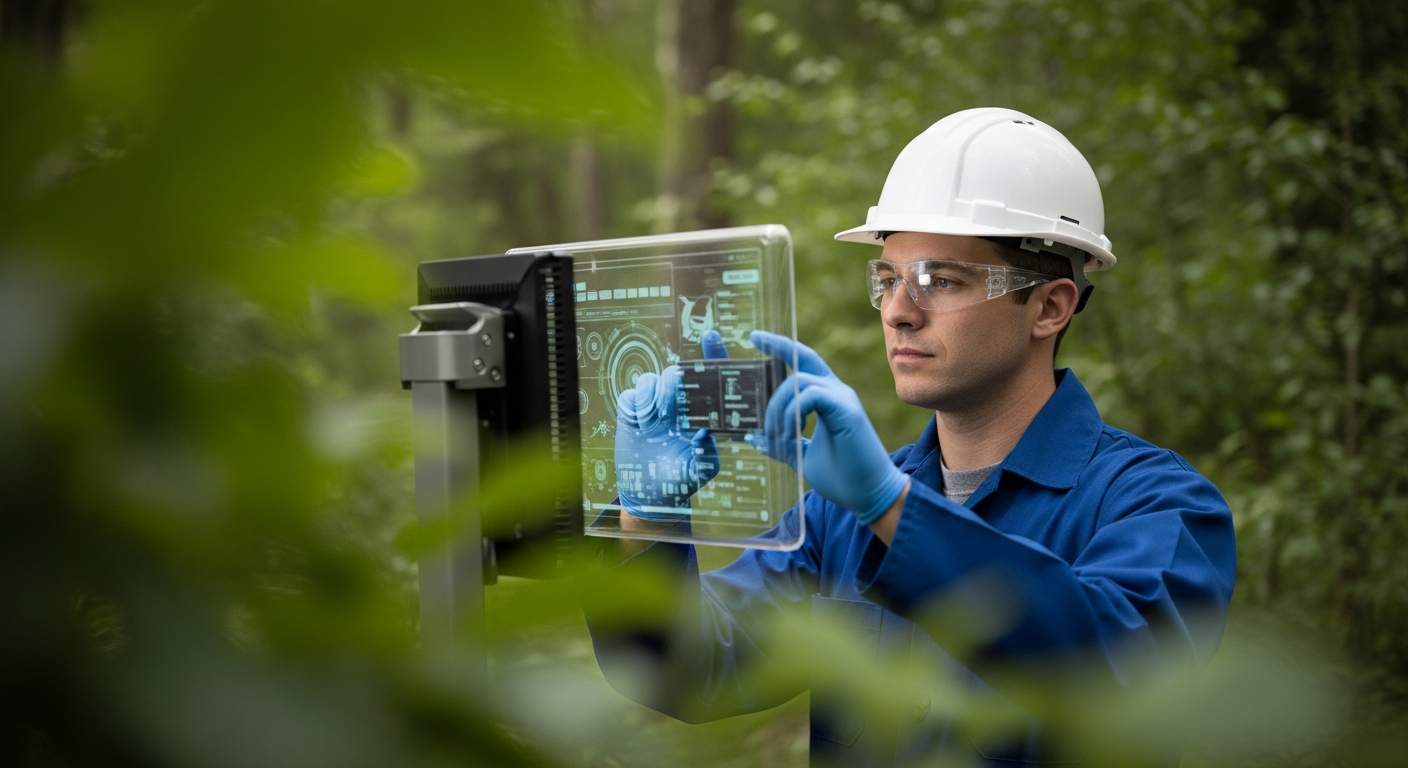
Emerging technologies are poised to transform maintenance from a reactive chore to an intelligent, environmentally conscious process. Implementation of IoT (Internet of Things) devices allows for real-time monitoring of equipment health, drastically reducing manual checks and optimizing resource use. Additionally, eco-friendly lubricants and cleaning agents are replacing traditional harsh chemicals, aligning with global sustainability goals. The integration of AI-powered systems even enables autonomous diagnostics and low-touch repairs, which can significantly reduce carbon footprints. For dry concrete batching plant users, embracing these innovations not only enhances operational efficiency but positions their businesses as forward-thinking leaders committed to sustainable construction practices. Keeping ahead of these trends is critical for companies seeking competitive advantage in an increasingly eco-aware market.

Comments ()