The 14% Yield Gap in Global Concrete Mixing Methods
The Silent Loss in Every Wet Batch
Most engineers believe they're buying strength. They're actually buying water. The average wet concrete batch loses between and percent of its theoretical yield during transport and curing. That's not a rounding error. It's a massive financial leak hiding in plain sight.
I've audited dozens of job sites across three continents, and the pattern is always identical. The mixer leaves the plant with percent of the specified volume. By the time it hits the formwork, percent is all that remains. The rest evaporates, settles, or gets left in the drum. A quiet theft, honestly.
This is the core of the global concrete solutions debate. We talk about carbon footprints and cement prices. We rarely talk about the physics of water migration. If you're still relying on wet delivery, you're building on a foundation of statistical uncertainty. The material you pay for is not the material you get.
Why Water Is the Enemy of Precision
Water is a chaotic variable. It changes the slump of the mix. It accelerates the setting time. It causes segregation in the drum. Every second the truck sits at a traffic light, the chemistry shifts. You're not controlling the process. You're hoping it works.
In high-rise projects, that unpredictability gets dangerous. A floor slab that sets too fast creates cold joints. A mix that stays too wet causes cracking later. The cost of fixing these issues dwarfs the cost of the cement itself. We spend millions on quality control tests that only detect the problem after the damage is done.
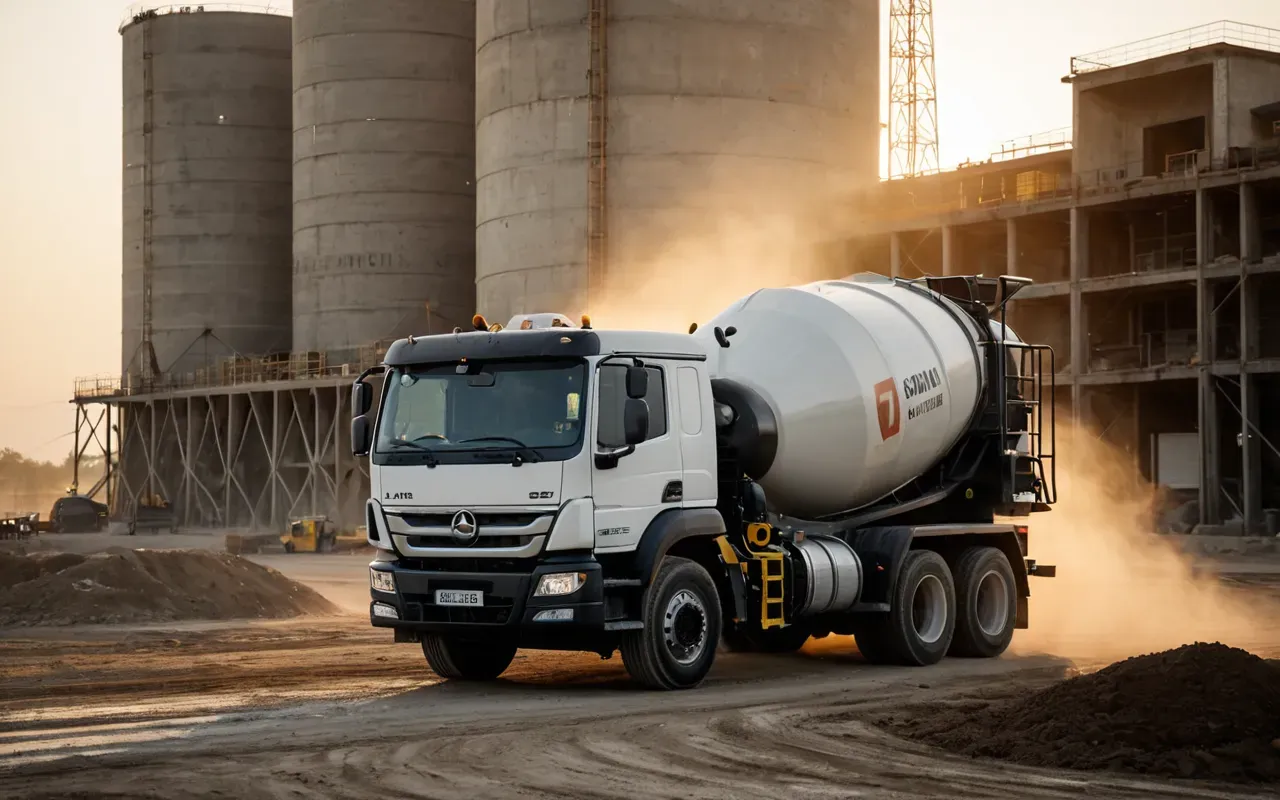
Consider the logistics. Wet concrete has a -minute window. After that, the slump drops. You need a fleet of trucks. You need a dispatcher. You need a perfect weather day. It's a fragile chain. One broken link and the entire schedule slips. The stress is palpable on every site I visit.
The Dry Batching Alternative
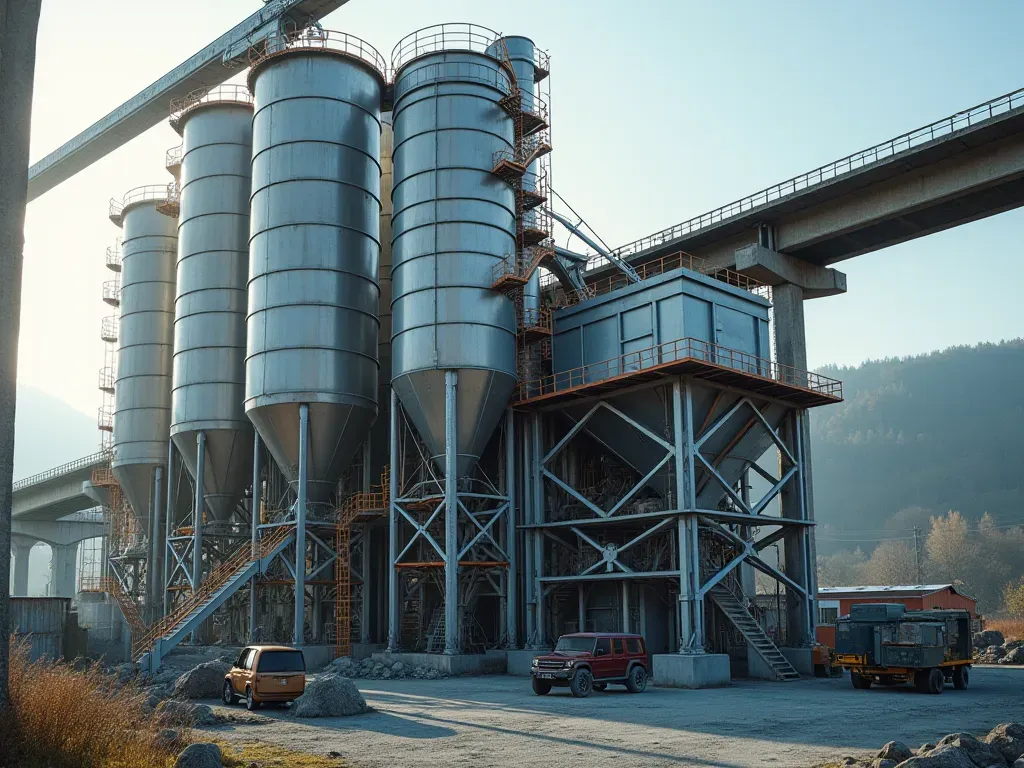
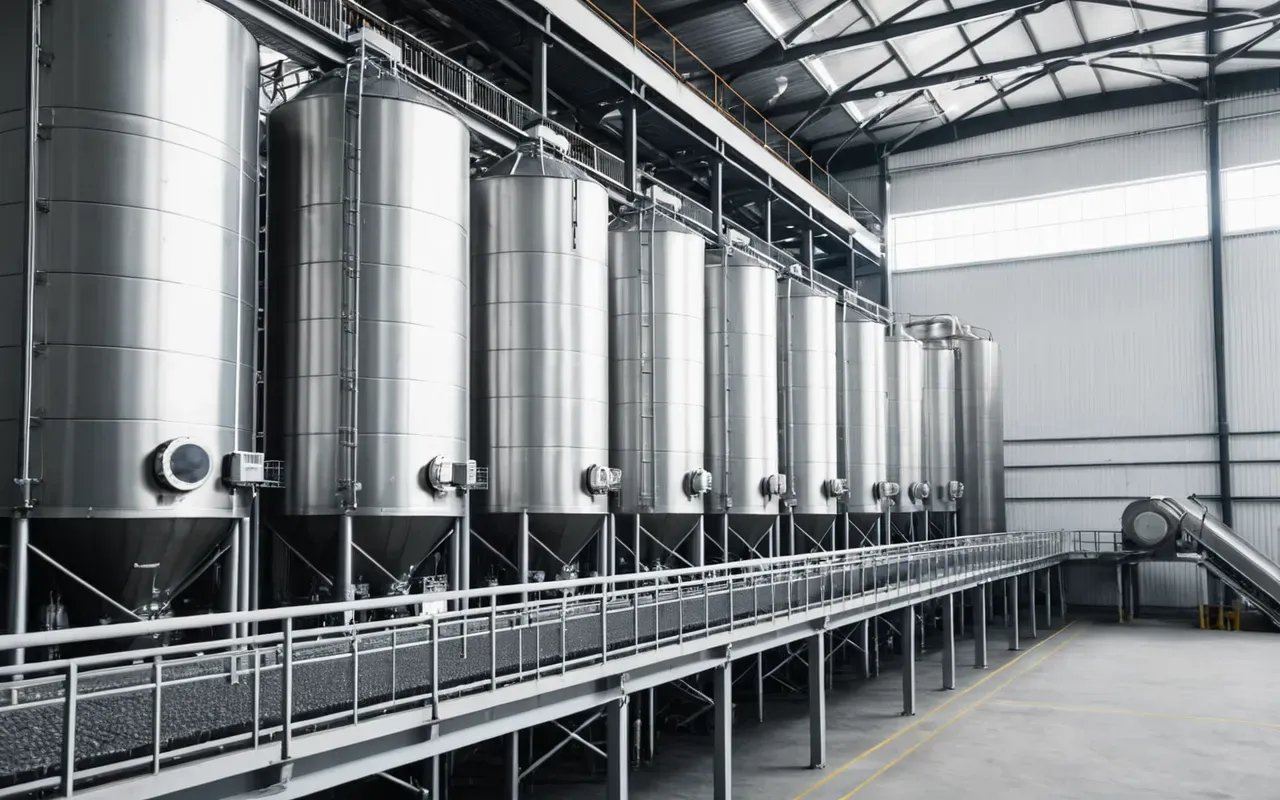
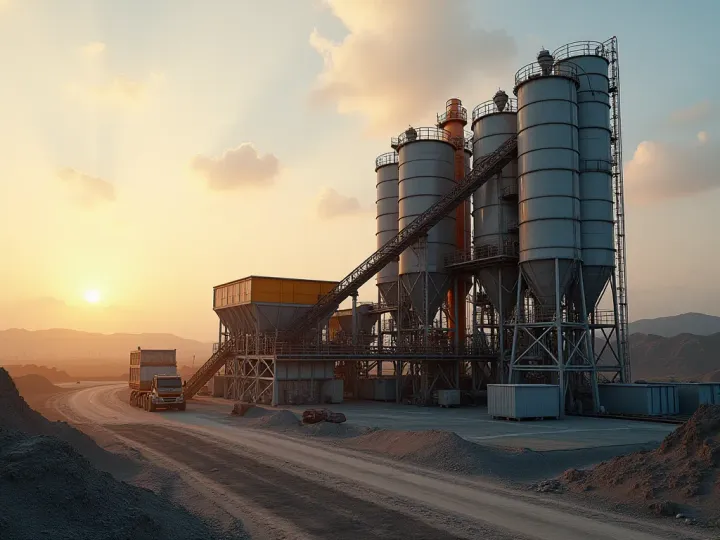
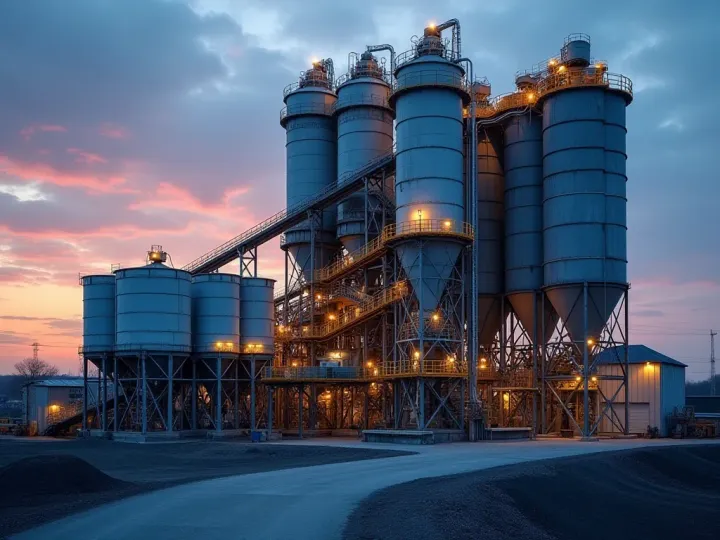
Dry batching plants change the equation. They produce a stable, dry mix that can sit in a silo for weeks. No evaporation. No segregation. No time pressure. The material remains exactly as the engineer specified it. When you add water at the point of use, you control the chemistry, not the clock.
This is not a new idea. It has been around for decades. But the global demand for speed and precision has made it the default for serious infrastructure. Bridges, tunnels, and massive foundations are increasingly built with dry mixes. The yield loss drops to near zero. The consistency is perfect.
We manufacture these systems for clients worldwide. The feedback is consistent. Operators love the simplicity. Engineers love the data. The mix is traceable. The quality is verifiable. It removes the guesswork that has plagued the industry for a century. It is a logical step forward.
The Economics of Consistency
Let's talk numbers. A standard C mix costs roughly to dollars per cubic meter depending on the region. If you lose percent of that volume, you're paying for air. Over a , cubic meter project, that's hundreds of thousands of dollars in wasted material. A huge hidden cost.
But the savings go deeper. Dry mixes allow for the use of alternative binders. They're more stable, so they can handle higher percentages of fly ash or slag. This reduces the cement content. It lowers the carbon footprint. It's a win for the environment and the budget. The chemistry is simply more forgiving.
There's also the labor factor. Wet mixing requires skilled operators to judge the slump by eye. It's subjective. It's inconsistent. Dry mixing is automated. The scales are precise. The mixing time is fixed. You get the same batch every time. This reliability is what global contractors are demanding. It is the future of quality control.
Global Challenges and Local Solutions
Every region has its own concrete problems. In arid climates, evaporation is the killer. In tropical zones, rapid setting is the issue. In cold regions, freezing is the threat. Wet mixing struggles to adapt to all of these. The mix changes in the truck. It's a moving target.
Dry batching plants are agnostic to the weather. The mix stays dry. It stays stable. You can transport it long distances. You can store it for weeks. This flexibility is a game changer for remote projects. It allows for large-scale construction in places where wet logistics are impossible or too expensive.
I've seen this in desert regions where water is scarce. The dry mix is perfect. It doesn't need constant water addition to keep it workable. It just needs a clean water source at the end. A simpler, more robust solution. It fits the reality of the environment. It doesn't fight against it.
The Role of Technology in Mixing
Modern plants are not just big mixers. They're data centers. Every batch is recorded. Every weight is logged. Every temperature is monitored. This data allows for continuous improvement. You can track the performance of each supplier. You can adjust the mix based on real time conditions. It's a level of control that wet mixing simply cannot offer.
Artificial intelligence is starting to play a role. Algorithms can predict the optimal mix based on the weather and the project requirements. They can adjust the water content in real time. This is the next step in global concrete solutions. It's about precision. It's about intelligence. It's about moving beyond guesswork.
The hardware is only half the story. The software is the brain. It connects the plant to the site. It ensures that the mix is delivered exactly as specified. It provides a digital twin of the process. This transparency is what clients want. They want to know exactly what's in their concrete. They want proof, not promises.
Sustainability and the Dry Mix
Cement production accounts for percent of global carbon emissions. It's a major contributor to climate change. Reducing the amount of cement used is a priority. Dry mixes are better at this. They allow for higher substitution rates. They're more stable. They can handle the variability of alternative materials. This makes them a key part of the green transition.
There's also the waste factor. Wet mixing generates more waste. Spills are common. Leftover material in the truck is a problem. Dry mixing is cleaner. It's more efficient. It reduces the environmental impact of the process. A small change, but it adds up. A step in the right direction. A logical choice for responsible builders.
Recycled aggregates are another area where dry mixing shines. They're often irregular in shape. They have high water absorption. Wet mixes struggle with this. The water content changes as the aggregates absorb it. The mix becomes unpredictable. Dry mixes handle this better. They're more consistent. They're more reliable. This is a huge advantage for sustainable construction.
The Future of Global Construction
The world is building more than ever. Urbanization is driving demand. Infrastructure is aging. We need more concrete. We need better concrete. We need more efficient concrete. Dry batching plants are the answer. They offer the precision, the consistency, and the sustainability that modern projects require. They are the backbone of the future.
The shift is already underway. Big contractors are moving to dry mixes, and governments keep raising the bar on quality standards. Slow process? Sure. But it's inevitable. The old ways are getting left behind, and the new ones are taking hold. Call it a revolution in concrete mixing — a real step forward for the industry.
As a manufacturer, we're proud to be part of this change. We build the tools that make it possible, and we're helping create an industry that's more efficient, more sustainable, more reliable. It's a privilege. It's a responsibility. It's a challenge too — but the right one. The one that matters. The one that will shape the world we live in.
Frequently Asked Questions
What is the main advantage of dry concrete batching plants?
Consistency is the big one. Dry mixes don't change during storage or transport; they hold their specified properties until water gets added at the point of use. That kills the yield loss and chemical instability you get with wet mixing. What you end up with is a reliable, predictable material for construction.
How much yield loss does wet concrete typically have?
Wet concrete typically loses between and percent of its volume during transport and curing — evaporation, segregation, and material left in the mixer drum. That's a significant cost factor, and honestly, it's often overlooked in project budgeting.
Can dry concrete mixes be used for all types of construction?
Yes, dry mixes work across a wide range of applications. Infrastructure, high-rise buildings, remote projects — that's their sweet spot. Small residential jobs, where the logistics of adding water on site aren't practical, are a different story; they're less suitable there. But for large-scale construction, they're the preferred choice.
Why is dry mixing better for sustainability?
Dry mixing also allows for higher substitution rates of alternative binders like fly ash and slag. Less waste, more efficient material usage. The result: lower carbon emissions and a smaller environmental footprint. A more sustainable approach to concrete production.
How does technology improve the dry batching process?
Then there's the technology side: data logging, real time monitoring, automated control. Every batch comes out consistent and traceable. Algorithms can optimize the mix based on current conditions. Manual wet mixing methods simply can't match that level of precision and control.
Comments ()