The 48 Hour Downtime Trap That Will Bankrupt Your Concrete Batch Plant
The Silent Killer of Your Monthly Profit
You built your plant to mix concrete. Not to sit idle. Yet most operators I talk to treat downtime like an inevitable tax. They wait for a breakdown. They wait for the part to arrive. They wait for the technician. And while they wait, the money bleeds out.
Here's the number that keeps me up at night. A single hour of unplanned downtime in a high-volume batch plant can cost between $, and $,. That's the lost production. The missed delivery windows. The angry customer. Multiply that by forty-eight hours. Now tell me this isn't an emergency.
The problem isn't the breakdown. It's the gap between the breakdown and the fix. In , global supply chains are tighter than they've been in a decade. A simple wear item can take three weeks to ship. Three weeks. Your competitors are mixing. You're staring at an empty mixer. The gap is where your margin goes to die.
Why Waiting for the Manufacturer Is a Gamble
Manufacturers build machines for the average user. Not for your specific site conditions. Your dust levels, your ambient temperature, your concrete mix ratios — all of it differs from the factory floor in the factory's home country. So your wear rate is unique. Your failure mode is unique. And your downtime is unique.
I've seen plants in arid regions lose their aggregate feeders to dust ingestion within six months. I've seen plants in humid climates corrode their electrical cabinets in a year. Same machine. Different environment. Relying on a one-size-fits-all spare parts list from the manual is a recipe for disaster. You need a parts strategy that matches your reality.
The Hidden Cost of Emergency Shipping
Let's talk about air freight. Fastest way to get a part. Also the most expensive. A $ part can cost $, or more to ship overnight. And that's if it's in stock. If it isn't, you're looking at a week of delay. The cost of the part is irrelevant. The cost of the delay is what hurts.
We calculated this for a client in a remote mining region. They needed a specific valve. Local price was $. Air freight was $,. The downtime was four days. Total cost came to over $,. Had they kept two valves in their local warehouse, the cost would have been $. That's a $, difference. That's a month of profit.
This is the trap. You save money on the part. You lose money on the downtime. You save money on the inventory. You lose money on the emergency. The math is simple. The mindset is what needs to change. You're not buying parts. You're buying uptime. And uptime is a product in itself.
The Critical Parts You Must Keep in Your Warehouse
Not all parts are created equal. Some are consumables. Some are wear items. Some are critical failure points. You don't need to stock everything — too expensive. But you do need to stock the parts that, if they fail, stop the entire plant. Those are your critical spares.
The Top Parts That Stop the Line
First, the mixer blades. They wear out. They chip. They break. When they do, mix quality drops. You can't ship concrete with poor mix quality. You have to stop. Keep two full sets of blades on hand. They're heavy, but they're cheap relative to the downtime.
Second, the aggregate feeder belts. These take a beating. Dust, moisture, heavy loads. They slip. They tear. When they do, you can't feed the mixer. You're stuck. Keep two replacement belts. Not expensive. Bulky, sure. But essential.
Third, the control panel fuses and relays. Electrical failures are the most common cause of downtime. A bad relay can stop the entire sequence. These parts are small. Cheap. Easy to store. Stock at least ten of each critical relay. You'll use them more than you think.
Fourth, the water and admixture pumps. These handle slurry. They clog. They wear. The seals fail. When the seal fails, you leak. When you leak, you stop. Keep two complete pump assemblies, or at minimum the seal kits and impellers. They're the heart of your water dosing.
Fifth, the main motor bearings. High-load components. They fail suddenly. When they do, the motor is dead. The plant is dead. You can't fix this in an hour. You need the bearings, the seals, and the grease. Keep one full set for each main motor. Big investment — but it's your largest downtime risk.
Building a Parts Inventory That Actually Works
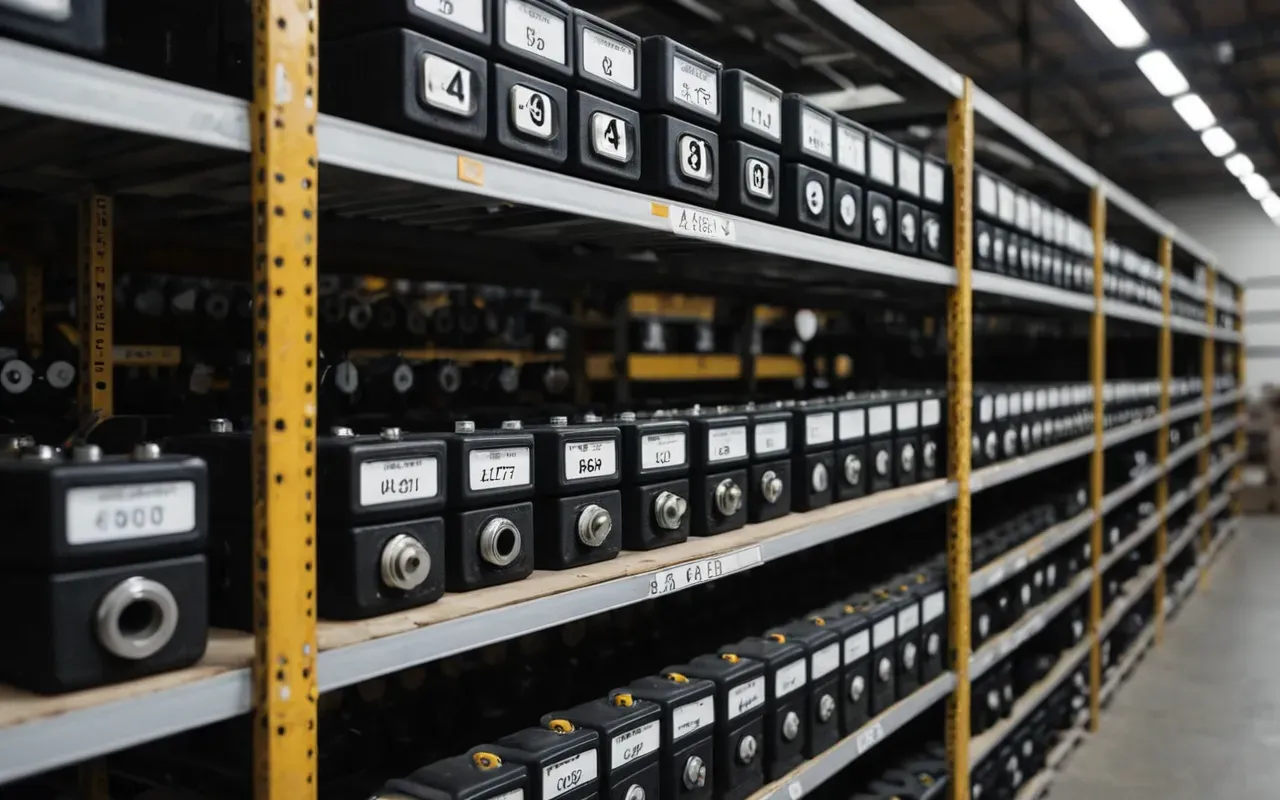
Having parts in a box is not a strategy. A strategy is knowing what you have, where it is, and when to reorder it. This is where most operators fail. They buy parts, put them in a corner, and forget about them. Then the part is needed. It's there. But it's the wrong size. Or it's damaged. Or it's missing a critical component.
The Digital Inventory Method
Use a simple spreadsheet or a dedicated inventory app. Track every part. Record the part number, the quantity, the location, and the reorder point. When you use a part, update the count. When the count hits the reorder point, order the replacement. Don't wait until you're out. Order when you're at the minimum.
This isn't rocket science. But it is discipline. And discipline is what separates the profitable plants from the struggling ones. The plants that track their parts don't run out. The plants that don't are always in a crisis. Choose which one you want to be.
Partnering with Local Suppliers
Don't rely on one supplier. Build relationships with three or four local suppliers. Know their stock. Know their lead times. Know their pricing. When you need a part, you want to call three places and get a quote in an hour. Not in three days. That's your safety net.
We've seen this work in remote regions where shipping is a nightmare. The local supplier had the part. The manufacturer didn't. The local supplier saved the day. That's the power of local knowledge. You know the market. You know the suppliers. Use it.

The Maintenance Schedule That Prevents Failure
Spare parts are the last line of defense. The first line is maintenance. If you maintain the plant, you don't need as many spares. If you don't, you need a warehouse full of them. Which do you prefer? The answer is obvious. Maintain the plant.
The Daily Checklist That Saves Thousands
Every morning, before the plant starts, run a checklist. Check the oil levels. Check the belt tension. Check the water pressure. Check the electrical connections. Takes ten minutes. Prevents hours of downtime. Best ten minutes of your day. Don't skip it.
I've seen plants that skipped this checklist burn out a motor in a week. I've seen plants that followed it run for years without a major failure. The difference isn't the machine. It's the habit. Build the habit. Protect your investment.
The Monthly Deep Clean
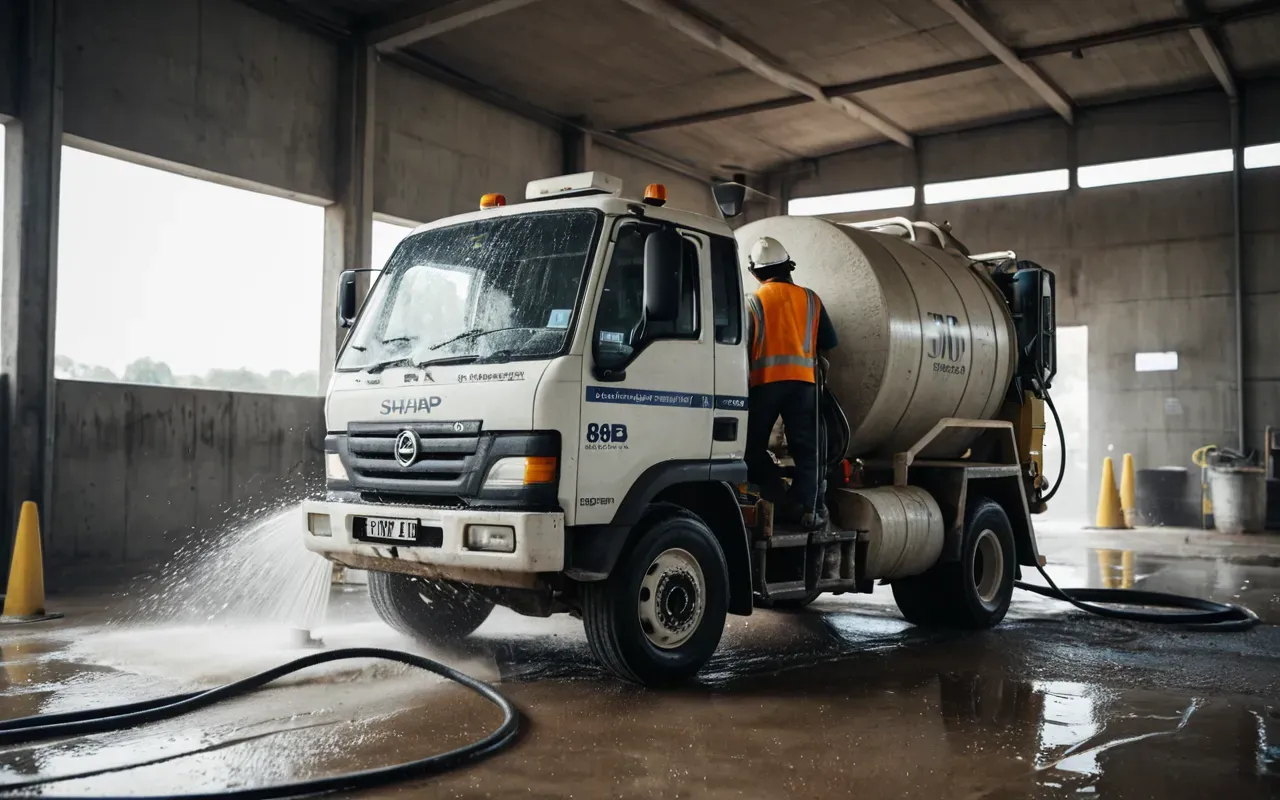
Once a month, shut the plant down and clean it properly. The mixer. The hoppers. The control panel. Dust and dirt wreck machinery — they clog valves, corrode electronics, wear out bearings. A monthly clean keeps the plant healthy and your parts lasting longer.
This isn't a chore. It's an investment. Every hour you spend cleaning is an hour you save in repairs. Simple math, clear benefit. Do it.
The Future of Spare Parts in a Connected World
The industry is changing. Sensors are embedded in machines now. They monitor vibration, temperature, pressure — and they predict failure before it happens. That's the future, and honestly, it's already here. Plants with smart sensors are cutting downtime by percent. They order parts just in time. They're not guessing. They're knowing.
No sensors on your plant? Then you're falling behind. The cost of sensors is small next to the cost of downtime, and the return on investment is high. The future isn't a mystery — it's a choice. Choose to be prepared. Choose to be connected. Choose to be profitable.
How AI is Changing Parts Management
Artificial intelligence is analyzing usage patterns now. Predicting wear. Recommending orders. Telling you exactly when to replace a part. Not science fiction — it's happening today. The plants using AI are the ones winning. The ones that don't are the ones struggling.
You don't need to be a tech expert. You just need to be willing to learn. The tools are there. The benefits are real. The question is, are you ready to use them? The answer should be yes. The future is here. Embrace it.

Frequently Asked Questions
How long does it take to get a critical spare part?
Delivery times vary widely. Local suppliers can deliver in to hours. International suppliers may take to weeks. Air freight can cut this to to days, but at a high cost. To avoid this uncertainty, keep critical parts in your local warehouse. That ensures immediate availability and prevents costly downtime.
What is the most expensive spare part for a batching plant?
The main motor and its bearings are typically the most expensive parts. A single motor can cost several thousand dollars, and the bearings and seals add to that. Replacing these parts requires skilled labor and specialized tools, which makes them a high-cost item. Keeping spares for these parts is crucial to avoid major financial hits.
Can I buy generic spare parts for my plant?
Yes — for many wear items like belts, blades, and seals, generic parts are a viable, cost-effective option. But for critical components like the control system or the main drive, OEM (Original Equipment Manufacturer) parts are recommended. Generic parts may fit, but they may not have the same longevity or precision. Test them carefully before committing to a full switch.
How do I know which parts to stock first?
Start with the parts that stop the entire plant if they fail. Mixer blades, feeder belts, water pumps, main motor bearings. Those are your critical spares. Next, stock electrical components like relays and fuses. Finally, the consumables — filters and seals. That prioritization gets you maximum uptime on a limited budget.
Is it worth it to keep spare parts in a remote location?
Yes, if the shipping cost and time exceed the cost of the part. In remote areas, shipping can be a nightmare. Keeping a small stock of critical parts on-site can save thousands of dollars and weeks of downtime. Warehouse space usually costs less than the delay does. Calculate the total cost of ownership, not just the part price.


Comments ()