The Real Reason Your Concrete Batching Plant Manufacturer Matters More Than The Machine
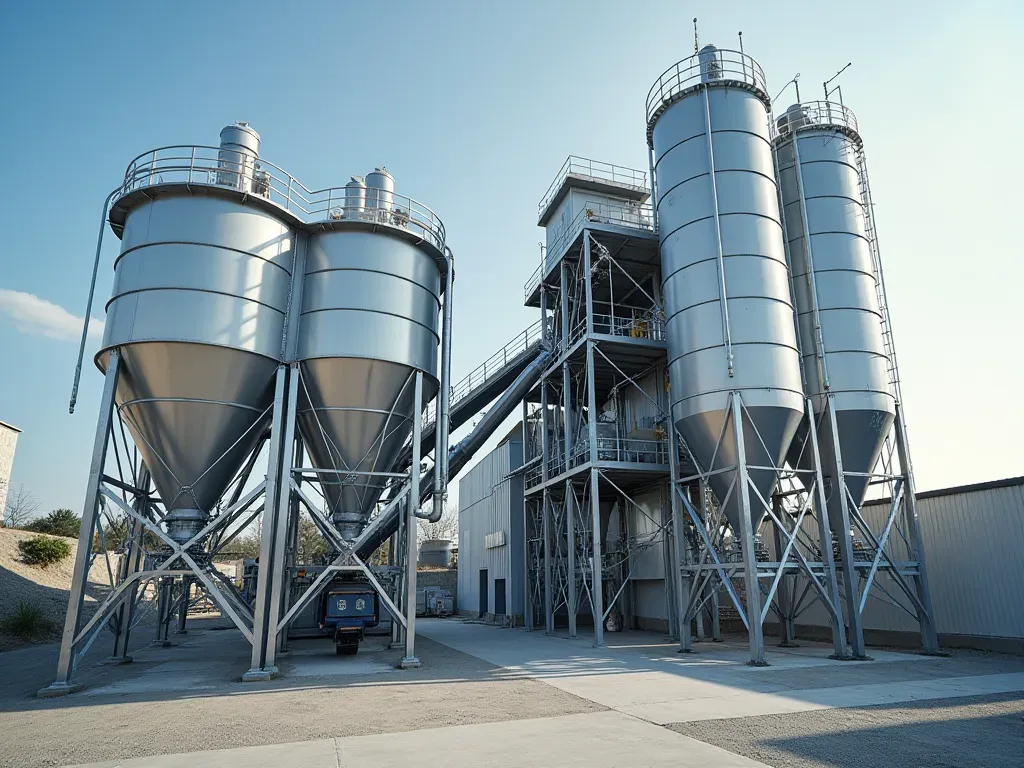
The Silent Killer of Your Daily Output
I have seen too many plants sit idle for weeks. The machine works. The motors hum. But the output is down by fifteen percent. Operators blame the weather. They blame the sand moisture. It never feels like the manufacturer’s fault.
But here is the uncomfortable truth we ignore until it hurts. The person who built your system knows exactly where it will fail. They designed that weak point. And if they do not answer their phone in three days, you are out of luck.
This is the core problem with how we buy heavy machinery. We treat it like buying a truck. You check the specs. You sign the paper. Then you drive off and hope for the best. That approach works for cars. It destroys concrete businesses.
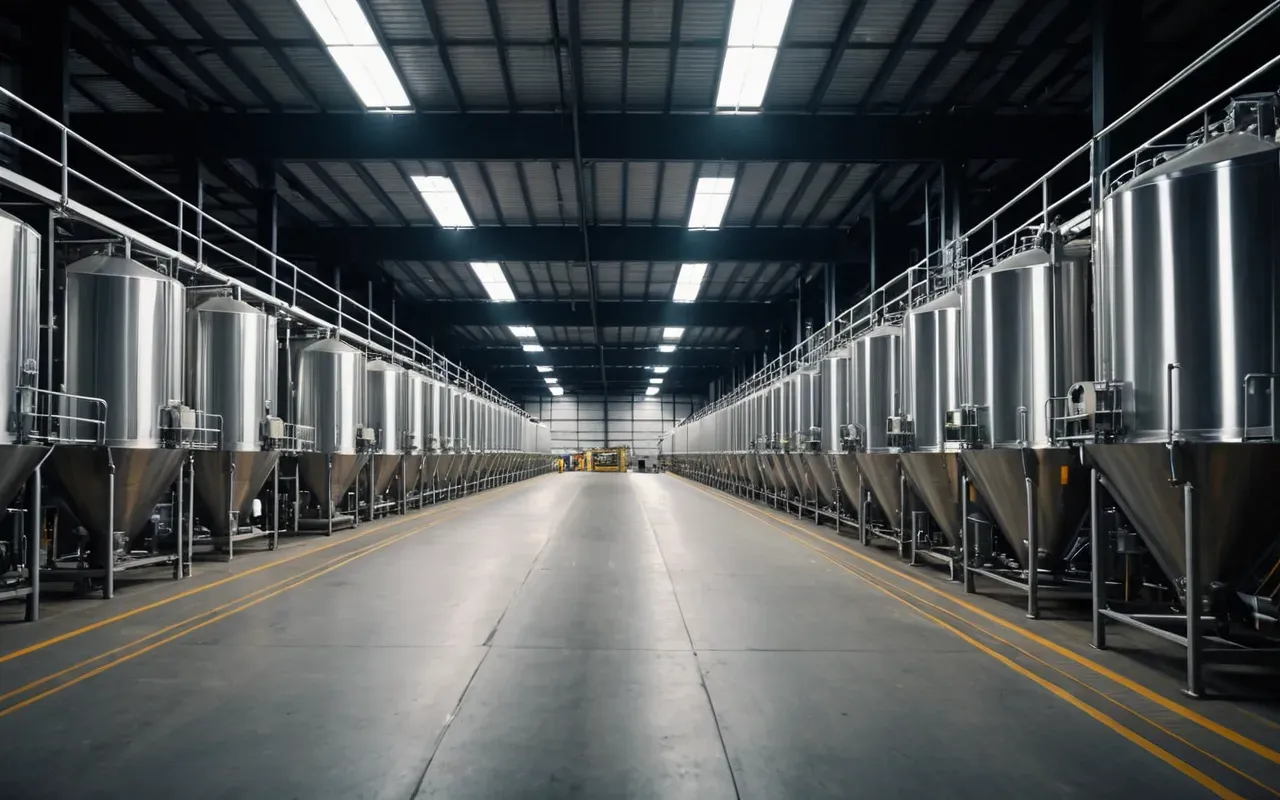
Why Spec Sheets Lie to You Every Single Time
Look at any catalog. They promise two hundred cubic meters per hour. That number is a fantasy in most real-world conditions. It assumes perfect sand flow. Perfect bin levels. And an operator who never makes a mistake.
I once audited a plant in a dry region. The spec sheet said one hundred and twenty batches per day. We ran it for a month. It did seventy-two. That is not bad engineering. That is a design that assumes ideal conditions you do not have.
A good builder knows this reality. They design with redundancy. A cheap one designs to the limit of profit margin and hopes you never notice the gap between promise and performance.
The Hidden Cost of a Cheap Supplier
You save twenty percent on the initial invoice. Sounds great until week six when the belt tensioner snaps again. You wait two weeks for a part. Your crew sits around drinking coffee and checking phones.
That downtime is not just lost money. It is lost trust. Your clients see the delay. They start calling their backup supplier. Once you lose a key account to reliability issues, it is nearly impossible to win them back.
We have seen companies go bankrupt not because they could not make concrete. They went under because their equipment was too fragile to support the volume of work they won.
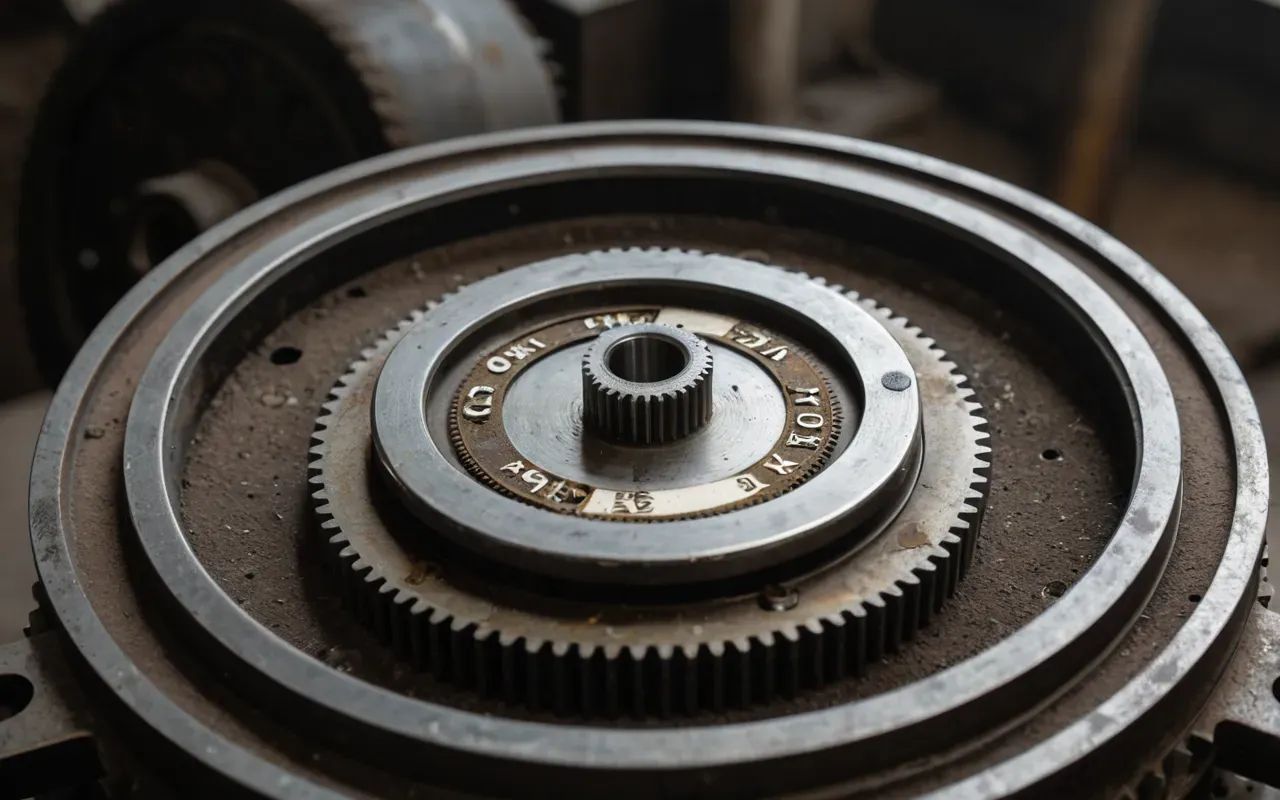
The Parts Availability Trap
This is where the rubber meets the road. Literally. When a critical component fails at night, you do not care about warranty terms. You need a part tomorrow morning.
Some companies ship parts from overseas with three week lead times. Others keep a local warehouse. That difference is the difference between losing a day and losing a quarter.
What Real Engineers Do Differently in the Design Phase
I talked to a senior designer who worked for three different firms. He told me the difference is in the flow dynamics of the bins.
Cheap designs use straight walls. Material bridges and sticks. Good designs use angled hoppers with specific vibration frequencies to keep the flow consistent regardless of humidity.
This subtle detail determines if your operator spends their day fighting clogs or just pressing buttons. It is the difference between a job and a chore.
Automation vs Actual Reliability
Many buyers want full automation. It looks impressive in the brochure. But complex systems have more points of failure.
A simple, robust system that works every day beats a high-tech unit that crashes when the temperature drops below freezing. Keep it stable.
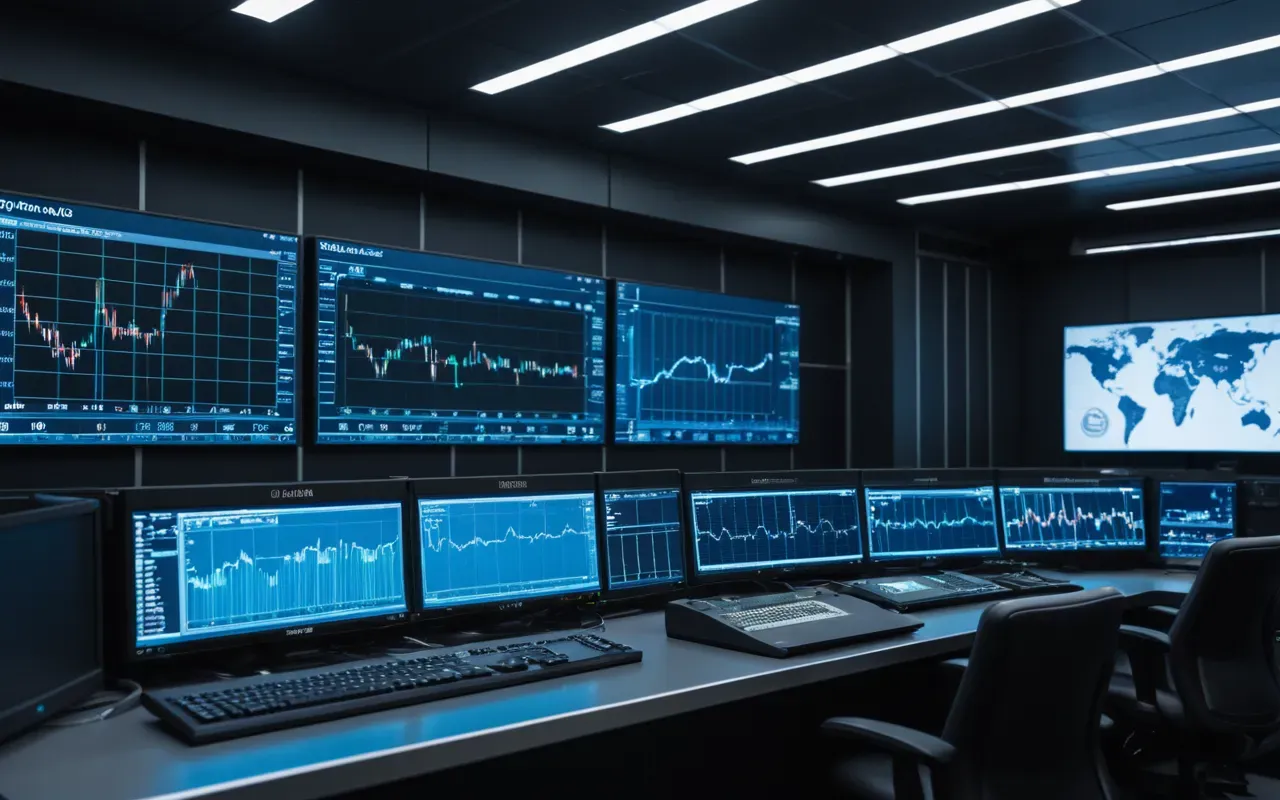
The Support Network You Cannot See Until It Breaks
You are not just buying a machine. You are buying a relationship with an engineering team. When the software glitches at 2 AM on a Friday, who do you call?
A responsive team will send code updates within hours. A distant supplier might take weeks to respond to an email ticket.
I have watched a company lose its biggest contract because their support line was unreachable during peak demand. The client found someone else who answered the phone.
Training Your Operators Correctly
Most machines come with a manual that nobody reads. That is where the real value lies in hands-on training.
If your supplier does not train your team on daily maintenance routines, you are setting them up for failure. Knowledge transfer is part of the product.
How to Evaluate a Supplier Before You Sign Anything
Ask for references from customers who bought the same model two years ago. Call them. Ask what has broken since installation.
Do not ask if it is good. Everyone says yes. Ask specifically about the dust collection system or the batcher wear parts.
If they are honest and specific in their answers about past failures, you have found a partner. If they dodge the question or promise perfection, run.

The Long Term Financial Reality Check
Calculate the total cost of ownership over five years. Include parts labor and downtime costs.
A machine that is thirty percent more expensive but runs twice as reliably often ends up cheaper in the long run. The math favors reliability over initial price.
This is counterintuitive to many buyers. We want the lowest sticker shock possible today. But we live with that decision for a decade.
Frequently Asked Questions
What is the most important factor in choosing a supplier?
Response time for technical support. This determines how quickly you return to full production after an issue arises.
Why do spec sheets often overstate capacity?
They assume ideal conditions. Real world humidity and material variations reduce flow rates significantly compared to laboratory tests.
How can I verify a company’s reliability history?
Contact long-term users of their equipment. Ask about specific breakdowns and how fast replacement parts were delivered.
Is a higher upfront price always worth it?
Not automatically. It depends on the quality of support and parts availability included in that price.

Comments ()