The Invisible Error That Bleeds Money From Your Concrete Business Every Single Day
The Broken Link That Is Actually a Warning Sign
You click the link. The page loads for half a second. Then it fails. A generic error message flashes on your screen. Annoying, sure. But you shrug it off and move on.
Most people assume it's a simple typo. A mistyped address, maybe an old bookmark. Honestly, I've spent enough time around industrial operations to know better. This is never just about the web.
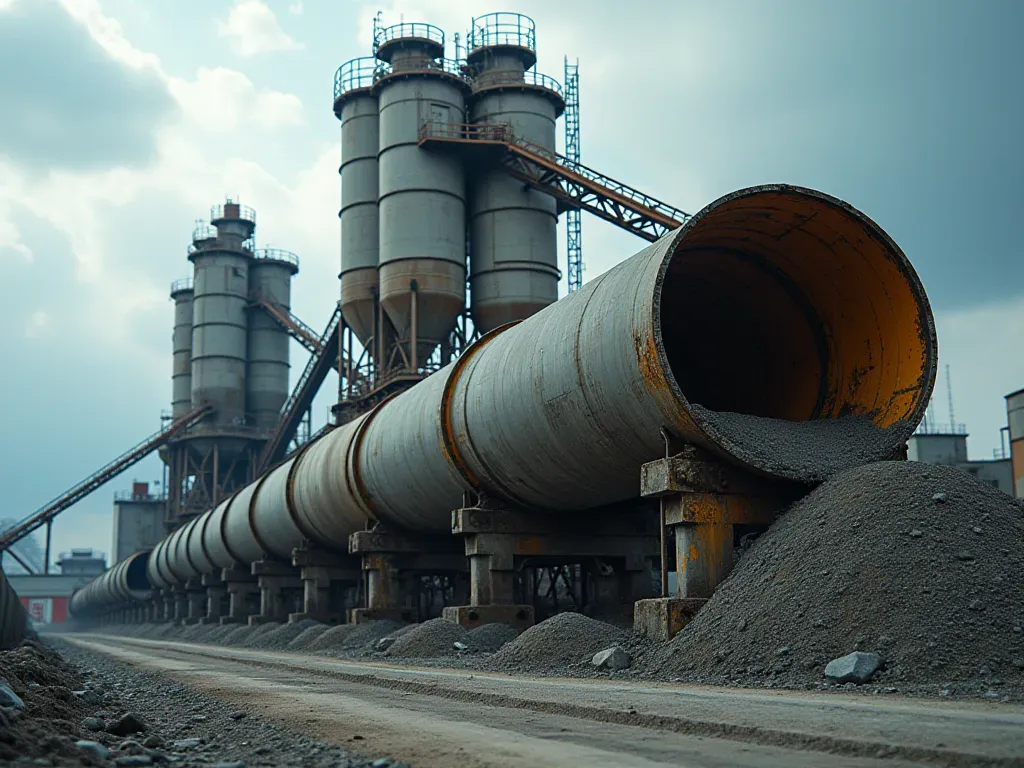
In our world of dry concrete batching plants, a broken link is practically a metaphor. It's the disconnect between your data and your physical machinery, plain and simple. And that disconnect? It costs real money.
We build these systems for clients across the globe. And we see the same pattern repeating itself, over and over. The digital layer fails first. The physical process suffers next. It's a predictable cascade, and somehow nobody sees it coming.
So why should you care? If you run a batching plant, every minute of confusion is lost production. A broken link might cost you five minutes today. But the underlying issue behind it could easily eat an entire shift.
Look at it this way. Your plant is a dense web of sensors, controllers, and mixers. If the information flow breaks down anywhere in that chain, the whole system stumbles. And it genuinely doesn't matter where the break happens — the damage ripples out either way.
The Real Reason Your Data Connection Fails
Here's the thing: it's rarely the software itself. Most control systems are tough enough to shrug off minor glitches. The real culprit is usually how we approach maintenance and updates. We treat them as afterthoughts.
I've watched operators ignore small warnings for weeks on end. A flickering light here. A delayed response there. They assume the machine is fine because it keeps running. But that's a dangerously lazy assumption, and it comes back to bite them.
When we talk about the real reason your concrete batching plant manufacturer matters more than the machine, this is exactly what I'm getting at. It's about support and reliability — not just fixing what's broken, but understanding why it broke.
A broken link on a website is trivial to fix. You update the URL and move on. But in an industrial setting, repairing a data break demands deep knowledge of your specific system architecture. There's no quick workaround.
If you don't have that knowledge in-house, you're stuck. You lose hours calling for support. You lose money while the plant sits idle, doing nothing. That's how small issues snowball into major problems.
And it gets worse when you factor in the scale of modern construction. Plants are bigger now, more automated than ever. Every new feature you add to the control system multiplies the complexity.
How This Impacts Your Daily Output and Profit
Let's talk numbers for a second. A typical dry batching plant might push out hundreds of cubic meters per day. If a data issue causes even a ten percent delay, that's a significant chunk of lost revenue — not the kind of thing you just shrug off.
You're not only losing the value of that concrete. You're still paying for labor and electricity while nothing productive happens. The machine is humming along, but it's producing zero product. Pure waste.
This hidden drain is exactly what we dig into in how your batching plant is likely wasting 15% of its daily output right now. It's a problem most operators seriously underestimate until it hits their bottom line.
And the fix isn't just software. It takes a holistic approach to managing your plant's digital and physical layers together. The moment you treat them as separate, you create vulnerability.
I've seen plants pour money into hardware upgrades while completely ignoring their data protocols. The result? Expensive machines running on shaky foundations. It's a recipe for endless frustration.
The real solution starts with understanding the full lifecycle of your equipment. From installation to daily operation to long-term maintenance. Every single step matters — skip one and you'll feel it later.
The Hidden Cost of Ignoring Small Glitches
Small glitches are like small leaks in a ship. You don't notice them at first. But over time, they flood the hold and sink you. Digital leaks work exactly the same way.
A delayed sensor reading might seem trivial. But if that delay causes an over-mix or under-mix, you're wasting materials and creating quality issues for your clients. It compounds fast.
Quality isn't just a marketing buzzword. It's the core of your business reputation. One bad batch can cost you more than months of operational delays combined. That's the brutal truth.
Why Precision Matters More Than Speed
Speed is attractive. It feels efficient and impressive. But precision is what protects your long-term viability. A fast plant that makes errors is worse than a slow plant that gets it right every time.
In the dry batching world, precision means consistent mix ratios. It means reliable water-cement proportions. These small details determine the strength of every slab and pillar you pour.
If your data links break or lag, those ratios drift. You might not notice until the concrete fails in a critical structure. And by then, it's far too late to fix.
Building a Resilient Batching Plant Ecosystem
The goal isn't to avoid all errors. That's impossible in any complex system, and anyone who promises otherwise is selling you something. The goal is to build resilience into your operations from the very start.
That means choosing a manufacturer who genuinely understands both hardware and software. Someone who sees your plant as an integrated system, not just a pile of parts bolted together.
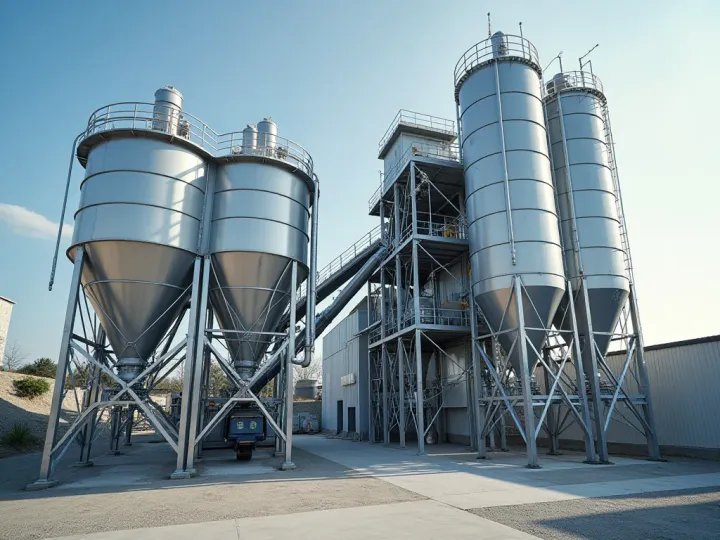
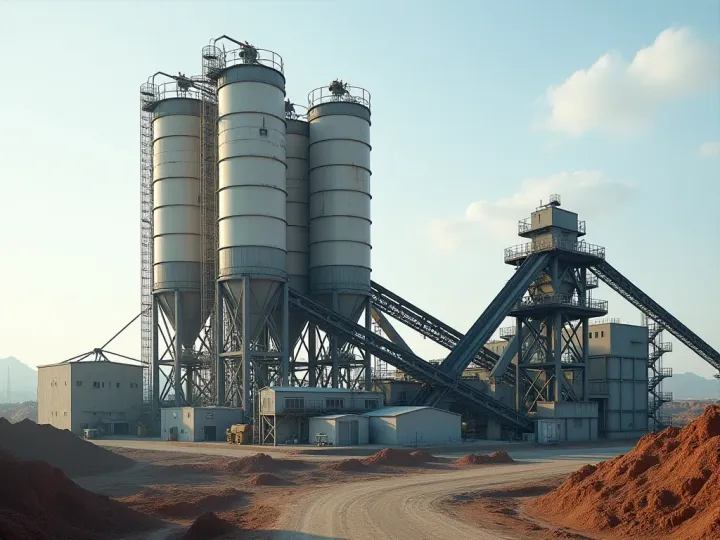
We focus on this integration in every component of our dry batch plant setup. Each component has to communicate clearly with the others. No isolated silos, no communication gaps that let problems hide.
It also means training your operators to think like engineers. They need to understand why a link breaks — and how to troubleshoot it quickly, without waiting around for outside help.
This shift in mindset changes everything. It turns your plant from a fragile machine into a robust asset that delivers consistent results, day after day, shift after shift.
The lesson here is simple but profound. Never underestimate the power of a small error to cause big problems. A broken link is just one example among many.
Whether it's a software glitch or a mechanical fault, the principle stays the same. Attention to detail separates successful operations from struggling ones. It really is that straightforward.
So the next time you see a broken link or a minor warning light, don't ignore it. Investigate it. Fix it properly. Your bottom line will thank you for it.

Comments ()