Dry vs Wet Concrete Batching: Key Differences Explained
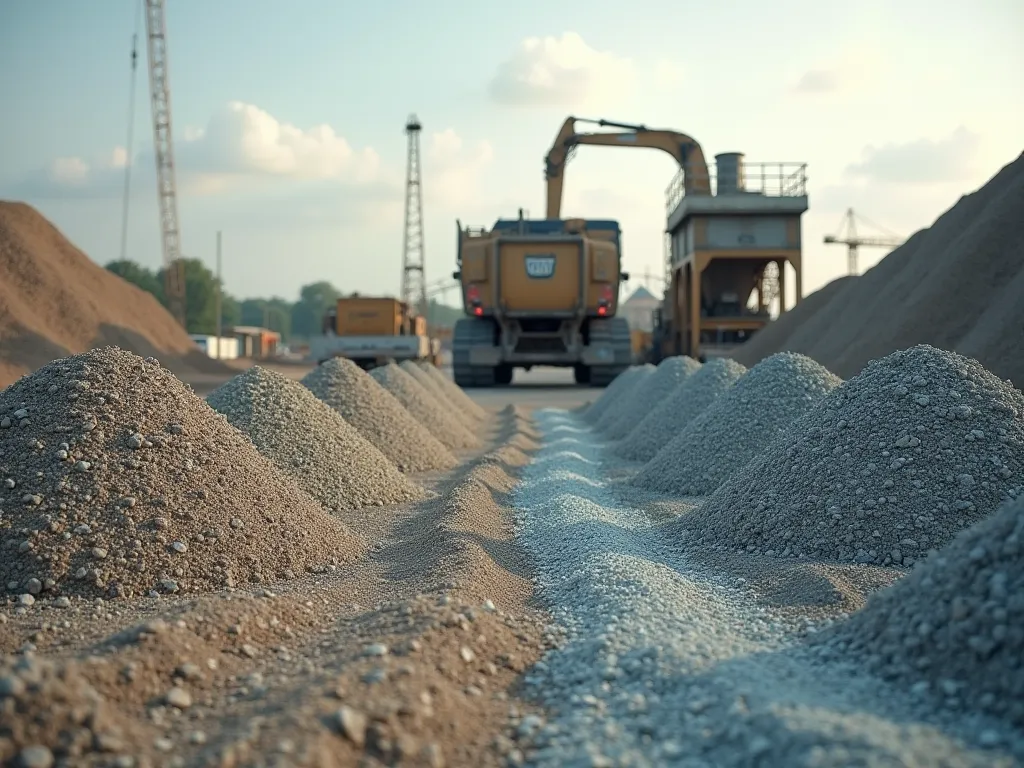
A dry batch plant measures ingredients at the source but completes mixing in transit trucks. A wet mix plant blends all components, including water, in a central stationary mixer before discharge. The choice depends on whether you prioritize lower initial capital costs or guaranteed consistency and higher production volume per hour for long-haul deliveries.
The core mechanical distinction lies in where the hydration process begins. In dry batching, cement, sand, and aggregates are weighed separately and loaded into a truck without water. The actual mixing occurs later inside a transit mixer as it travels to the site. This means no wet concrete exists on the plant floor during the loading phase.
Wet plants operate differently by incorporating a central twin-shaft mixer. All ingredients, including water, are blended in this stationary unit before discharge. The presence or absence of this fixed mixing engine is the primary structural differentiator between the two systems. It determines whether you are shipping dry materials or ready-mixed concrete.
Structural Complexity and Footprint
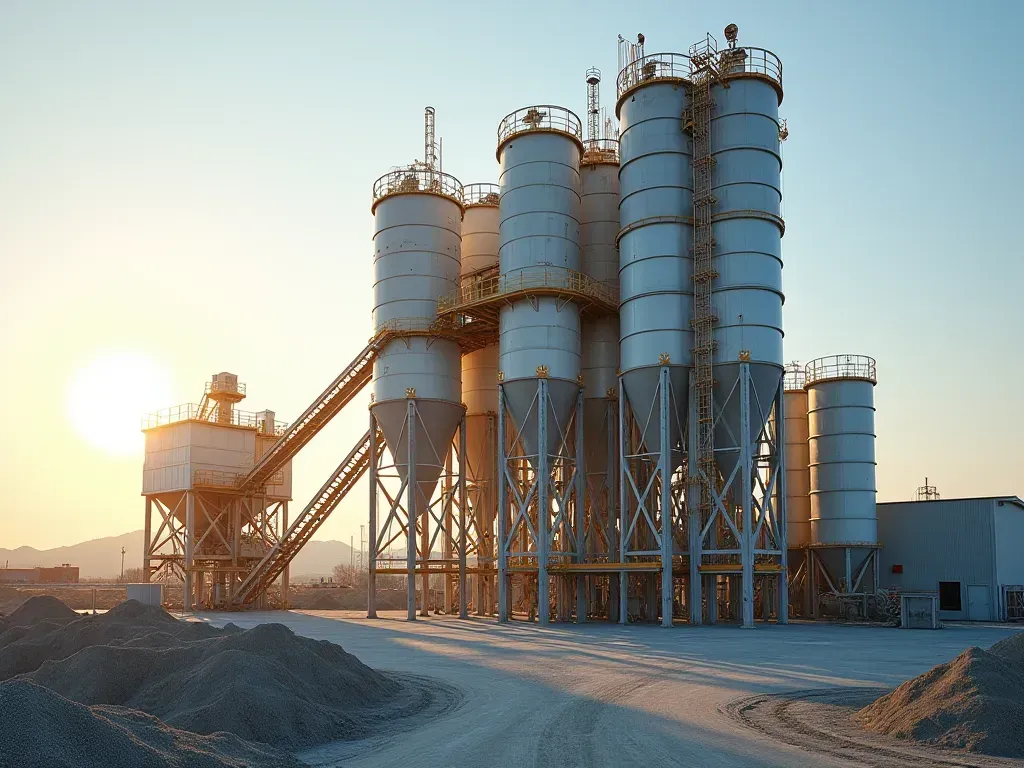
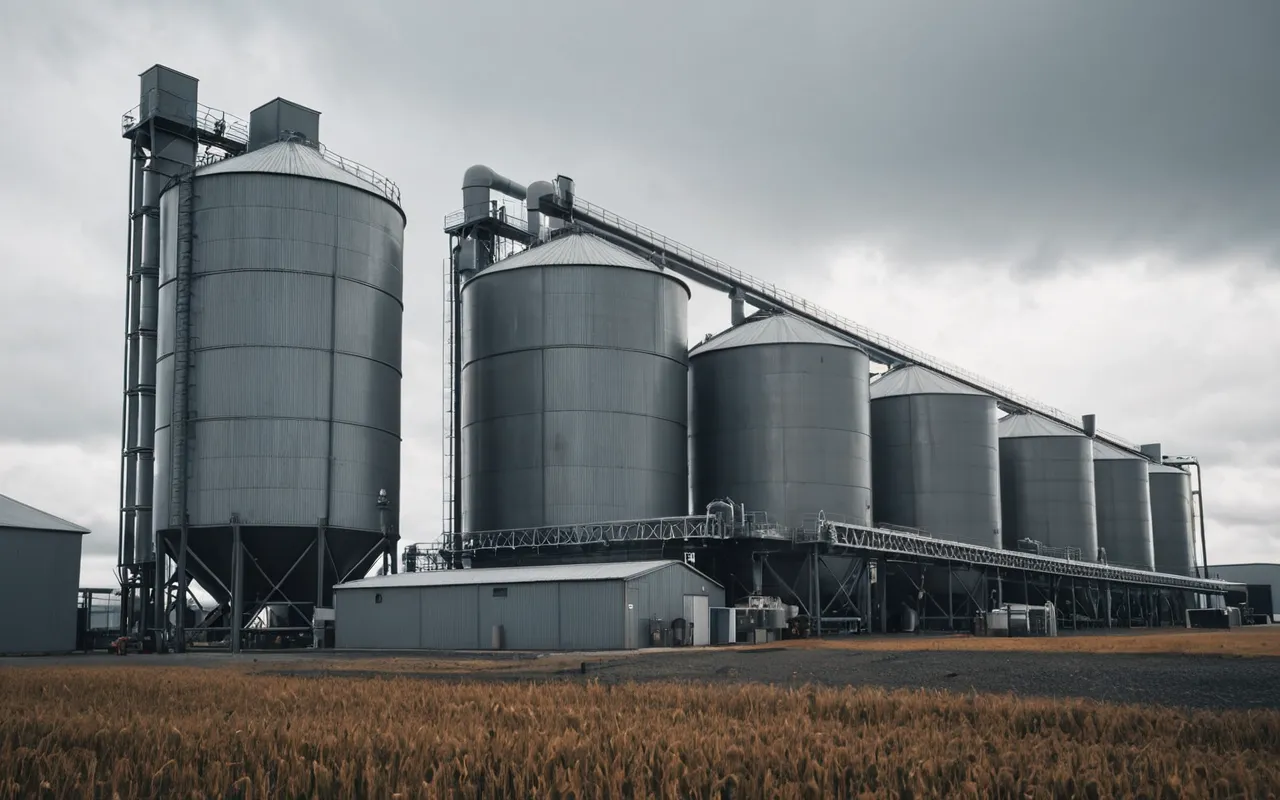
The absence of a heavy central mixer defines the physical profile of dry batching systems. These units rely on a streamlined assembly of batching machines, storage silos, and belt conveyors to aggregate materials. This compact configuration minimizes the required floor area, allowing operators to fit equipment into constrained urban lots or temporary enclosures without extensive civil works.
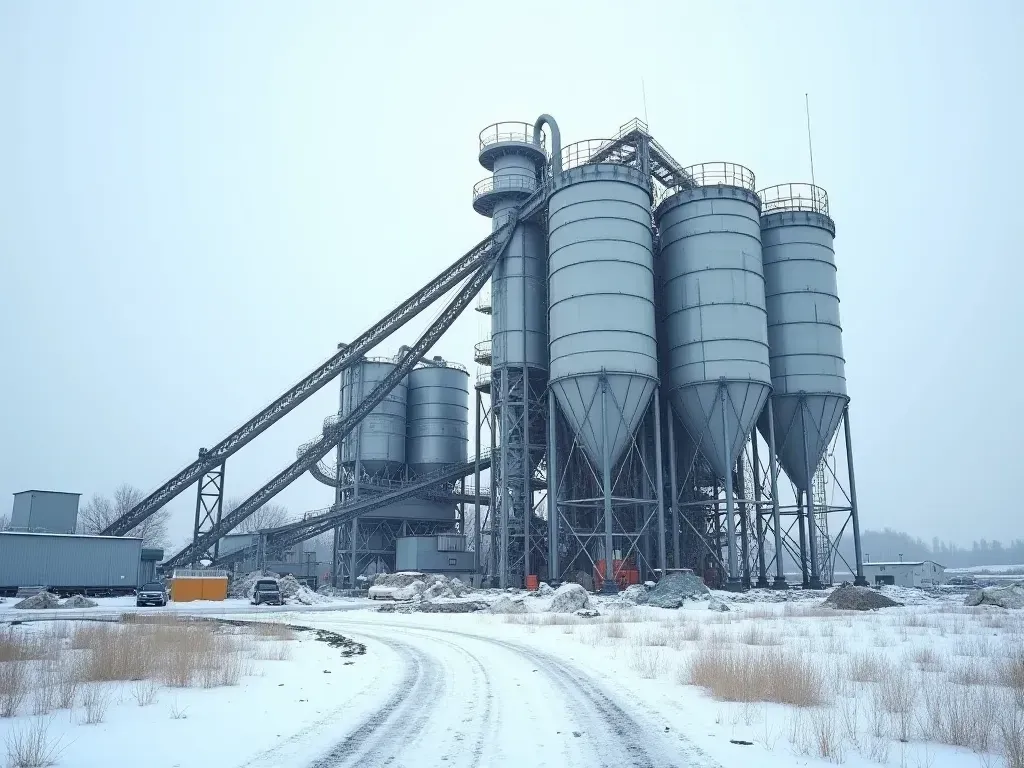
Wet plants demand significantly more structural real estate due to their complex internal architecture. Beyond standard aggregate batching and cement silos, these systems integrate screw conveyors and robust twin-shaft concrete mixers. The additional infrastructure for weighing and mixing creates a larger footprint that requires heavier foundations and more precise alignment during installation.
Simplicity in component count directly influences setup velocity on short-term projects. Dry systems often deploy faster because they lack the intricate plumbing and mechanical interconnections required for wet mixing processes. This reduced complexity lowers initial labor costs and accelerates commissioning, a critical advantage when project timelines are tight or site access is limited.
Production Volume and Operational Efficiency
Throughput Capacity
Wet mix plants generally produce more cubic yards per hour because they utilize continuous central mixing capabilities at the site. This centralized approach allows for a steady, uninterrupted flow of material directly into transit vehicles. The mechanical integration eliminates the need for each truck to complete its own distinct mixing cycle before departure.
Operational Constraints
Dry batch efficiency is constrained by truck turnaround times and driver rotation protocols during transit. Since final mixing occurs on the road, the system relies heavily on consistent travel speeds and immediate offloading to maintain quality. Delays in these logistics disrupt the entire production line more severely than they would a central plant setup.
Volume Matching
High-volume, continuous construction jobs typically favor wet plants for their superior throughput capacity. Projects requiring constant supply without significant downtime benefit from the inherent speed of centralized batching. Conversely, dry systems suit intermittent needs where flexible scheduling outweighs peak output.
Matching production capacity to actual demand prevents expensive idle time and equipment misalignment.
Quality Consistency and Haul Distance Risks
Dry batch quality hinges entirely on driver adherence to rotation protocols during transit. The mix remains loose until water is introduced at the site, meaning consistency depends on mechanical action rather than chemical integration. If the drum fails to rotate sufficiently or frequently enough, segregation occurs before placement.
Long hauls in hot weather create a significant risk factor for dry mix integrity. Ambient heat accelerates moisture loss from the aggregate surface, potentially altering the effective water-cement ratio by the time it reaches the pour. This thermal sensitivity demands precise timing calculations to prevent premature stiffening or inconsistent workability.
Wet plants provide higher quality control because concrete is fully mixed before leaving the facility. The chemical reaction begins immediately upon mixing, ensuring uniform hydration regardless of transit conditions. This method eliminates variables related to on-site water addition timing and drum rotation frequency.
Regulatory environments further influence these quality decisions. Not all US states and counties allow mixing dry concrete due to dust and particulate restrictions machinerypartner.com. These local constraints often dictate which batching method is legally viable for a specific project location.
Regulatory and Environmental Constraints
Dust control dictates the design of dry batching facilities. To comply with local air quality standards, operators must integrate self-cleaning dust collection systems directly into the plant structure. These mechanical filters capture fine particulates before they escape into the surrounding environment.
Wet plants face a distinct set of environmental hurdles centered on water management. Regulatory bodies often scrutinize the volume of process water used and require specific protocols for treating and disposing of concrete sludge. This prevents contaminated runoff from entering local waterways or soil.
Compliance costs vary significantly by jurisdiction. A site in a county with strict particulate limits may find the capital investment for advanced filtration prohibitive, effectively forcing a switch to wet batching despite operational preferences. Conversely, regions with tight water usage caps might penalize high-volume wet plants through higher utility fees or permit restrictions.
Cost Drivers: Capital vs. Operational
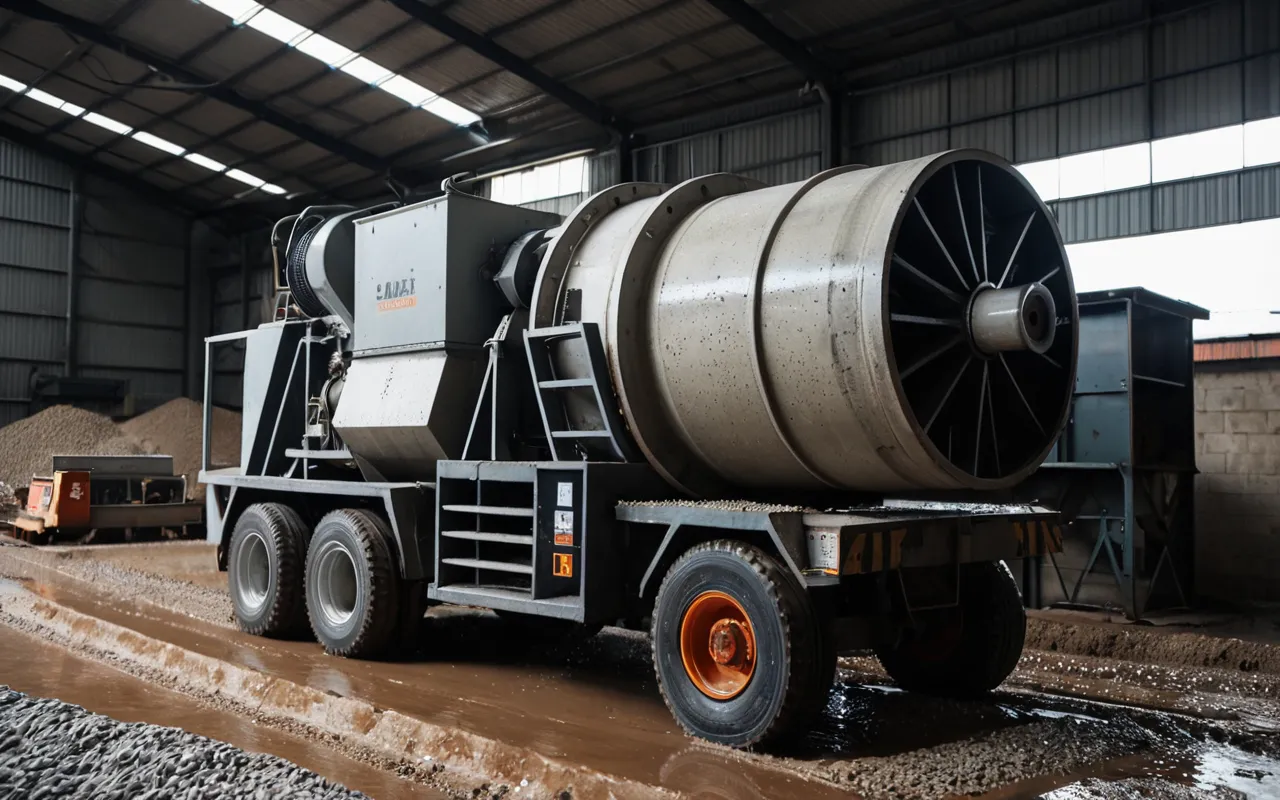
Dry batch plants often present a lower initial capital outlay because they lack the complex hydraulic systems and large mixing drums found in wet facilities. This structural simplicity reduces both material costs during installation and the engineering overhead required for setup. For projects with limited budget flexibility or short timelines, this reduced upfront expense is frequently the deciding factor.
Wet plant economics rely heavily on volume to justify their higher entry price. In specific operational scenarios, a wet mix facility reaches its break-even point after producing approximately 6,000 yards of concrete. Without consistent high-volume demand, the fixed costs associated with maintaining central mixing equipment can erode margins significantly faster than in dry batching setups.
Total operating cost analysis must account for fuel consumption versus utility usage. Dry systems shift a substantial portion of energy expenditure to transit mixers, where diesel fuel drives the on-site agitation during haulage. Wet plants consume electricity for central mixing but eliminate much of that mobile fuel burn per yard delivered.
For high-volume scenarios involving thousands of yards, wet production can achieve lower costs per unit once volume thresholds are met. Data indicates that producing 17,000 yards in a specific wet mix configuration results in a cost of $81.46 per yard. This efficiency demonstrates how scale transforms the financial profile from capital-heavy to operationally lean.
Maintenance profiles also diverge sharply between the two methods. Dry plants require less frequent intervention on mixing components since the actual hydration process occurs in transit mixers rather than stationary drums. Wet facilities must manage wear on internal paddles and seals, adding routine maintenance labor that impacts long-term operational budgets.
Decision makers should model both capital recovery periods and per-yard variable costs before committing to equipment. The optimal choice depends less on the price tag of the plant itself and more on how well project volumes align with the break-even dynamics of each system type.
Frequently Asked Questions
Can a single plant be configured to switch between dry and wet batching modes?
Some modern plants offer dual-mode capabilities, but most dedicated dry or wet systems are specialized for one method.
What is the typical break-even production volume for switching from dry to wet mixing?
While industry standards vary, a case study of an EBA 1000 model indicated a break-even point at approximately 6,000 yards.
How does ambient temperature specifically impact the setting time of transit-mixed concrete?
High ambient temperatures accelerate hydration and water evaporation in transit-mixed concrete, potentially leading to premature stiffening or reduced workability before placement.
For the full overview, see dry concrete batching plants.